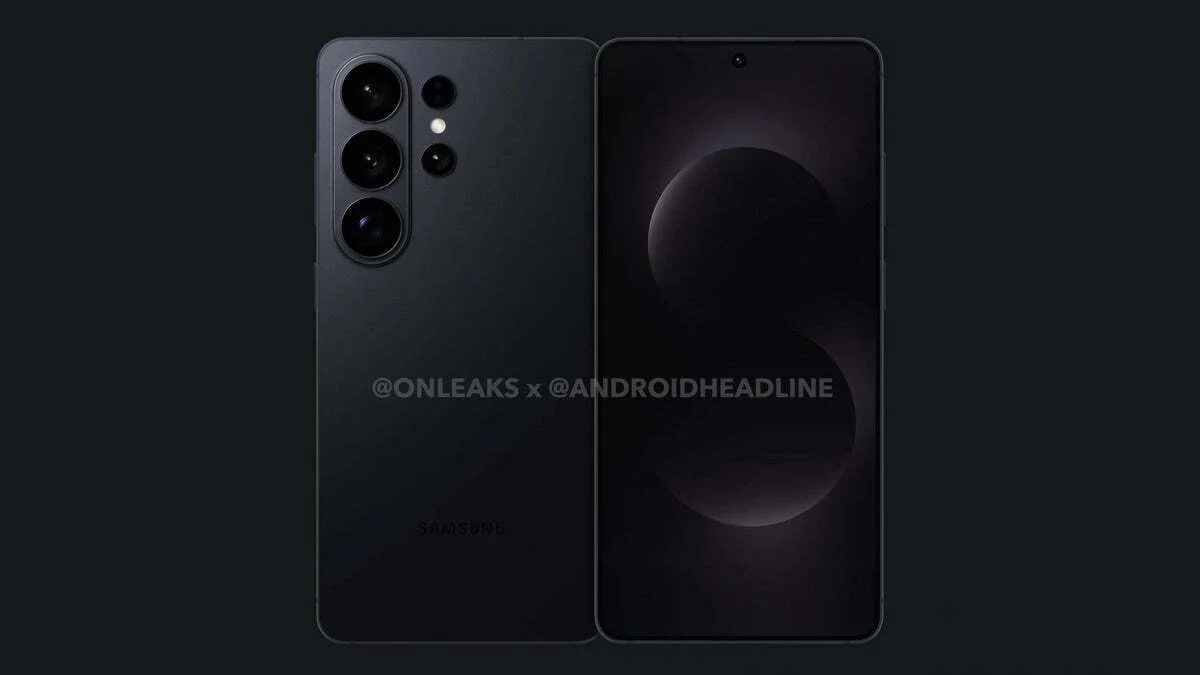
iPhone 17 Pro Max dummy unit and iPhone 16 Pro Max. | Image credit – PhoneArena
The iPhone 17 series is expected to launch in September, and rumors suggest that the Pro models may finally introduce reverse wireless charging. While this feature has been present in Android phones for years, Apple's delay in adopting it can be attributed to their focus on delivering a seamless user experience.
Understanding Apple's Approach
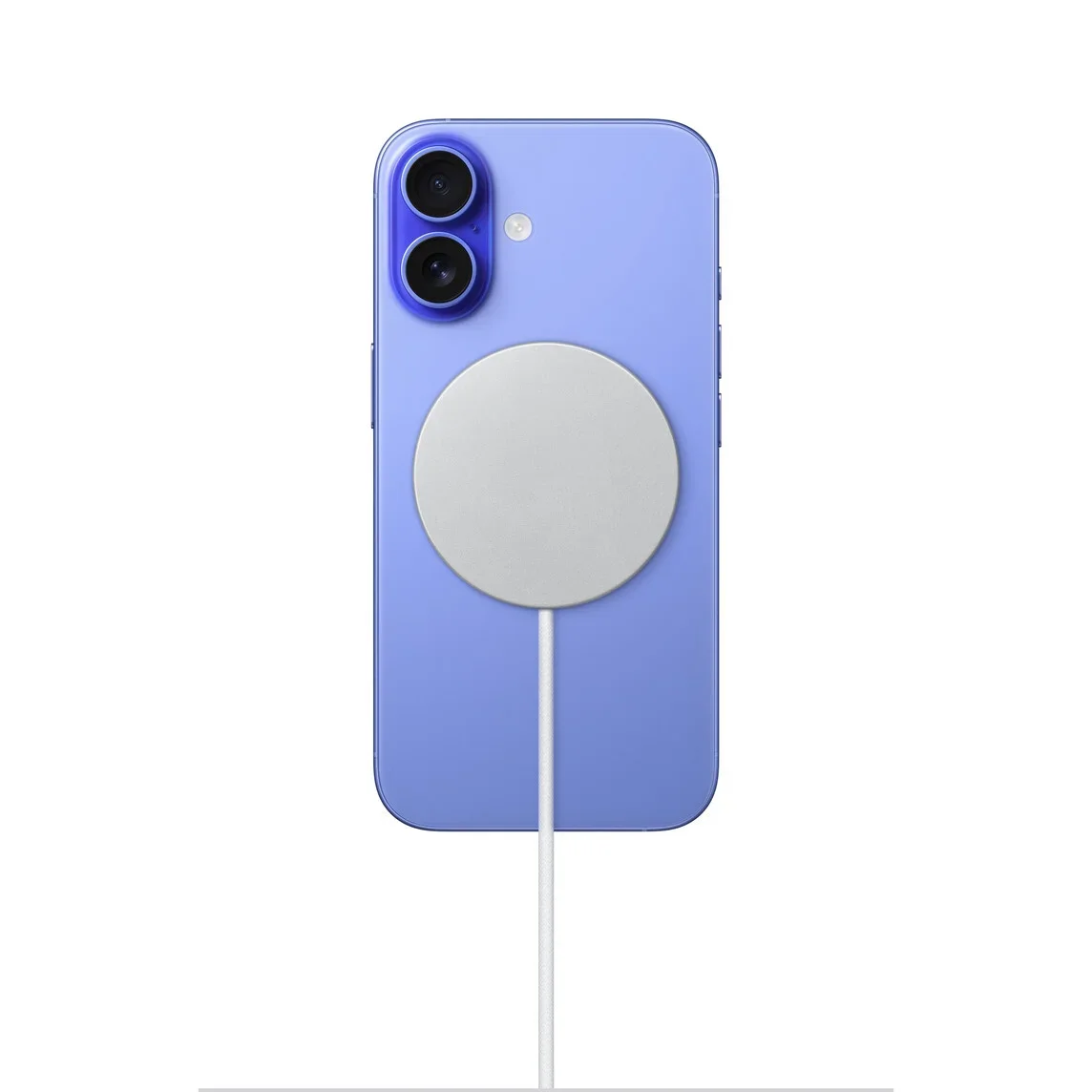
Apple has a history of waiting until a feature can be implemented effectively before introducing it. Reverse wireless charging, while intriguing, has often been criticized for its slow performance and impact on battery life in other devices. Apple's commitment to delivering a reliable and efficient user experience may be the reason for the delay in adopting this technology.
Google acknowledged the challenges of reverse wireless charging with their Pixel 10 series, opting for a different approach with PixelSnap due to technical limitations. This highlights the importance of ensuring that a feature aligns with the overall design and functionality of a device.
The new Pixel 10 series introduces PixelSnap, a magnetic charging and accessory system finally giving Pixel a proper answer to Apple’s MagSafe. | Image credit – Google
While phones like Samsung's Galaxy lineup support reverse wireless charging using the Qi standard, Apple may be exploring ways to integrate this feature without compromising on performance or design. The combination of Qi2 and reverse wireless charging is feasible, as demonstrated by other manufacturers, but Apple's meticulous approach to innovation may result in a longer development process.