Galaxy S26 Ultra Performance Variations Due to Chipset Differences
When it comes to the Galaxy S26 Ultra, the chipset powering the device can make a significant difference in performance. Recent rumors suggest that Qualcomm's Snapdragon 8 Elite Gen 2, the flagship processor expected to drive the S26 Ultra, may be dual-sourced from different foundries. This could result in varying experiences for users based on the chipset they have in their devices.
Potential Speed and Battery Life Discrepancies
Depending on whether the Snapdragon 8 Elite Gen 2 in your Galaxy S26 Ultra is manufactured by TSMC or Samsung Foundry, you could see differences in speed and battery efficiency. The foundry and process node used to produce the chipset play a crucial role in determining overall performance.
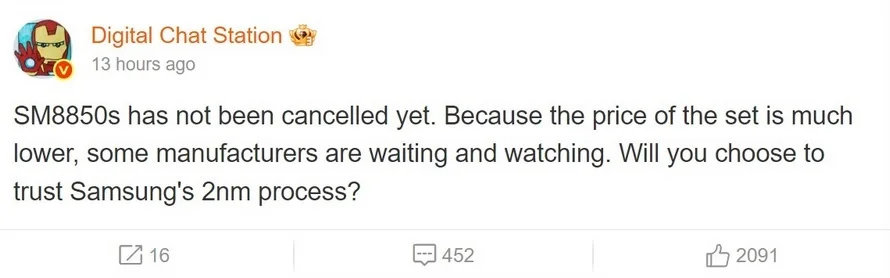
As per reports, Qualcomm is contemplating dual-sourcing the chipset, with TSMC and Samsung Foundry being potential manufacturers. Each foundry would utilize different process nodes, with TSMC employing 3nm technology and Samsung Foundry opting for 2nm Gate-All-Around architecture.
Impact of Chipset Manufacturing on Performance
The choice of foundry and process node can significantly impact transistor density, power efficiency, and overall performance. Samsung Foundry's use of GAA transistor architecture in its 2nm node could offer advantages in terms of power consumption and performance.
While pricing of the Snapdragon 8 Elite Gen 2 is expected to remain competitive, the choice of chipset could influence the user experience of the Galaxy S26 Ultra. It remains to be seen how Qualcomm's decision to dual-source the chipset will impact the market and user preferences.
Potential Future Developments
Rumors also suggest that Qualcomm may follow Apple's strategy by offering multiple versions of the Snapdragon 8 Elite Gen 3 in the future. This could lead to a differentiation in performance and pricing based on the chipset variant used in flagship devices like the Galaxy S27 series.