Exploring the Potential of Silicon-Carbon Batteries
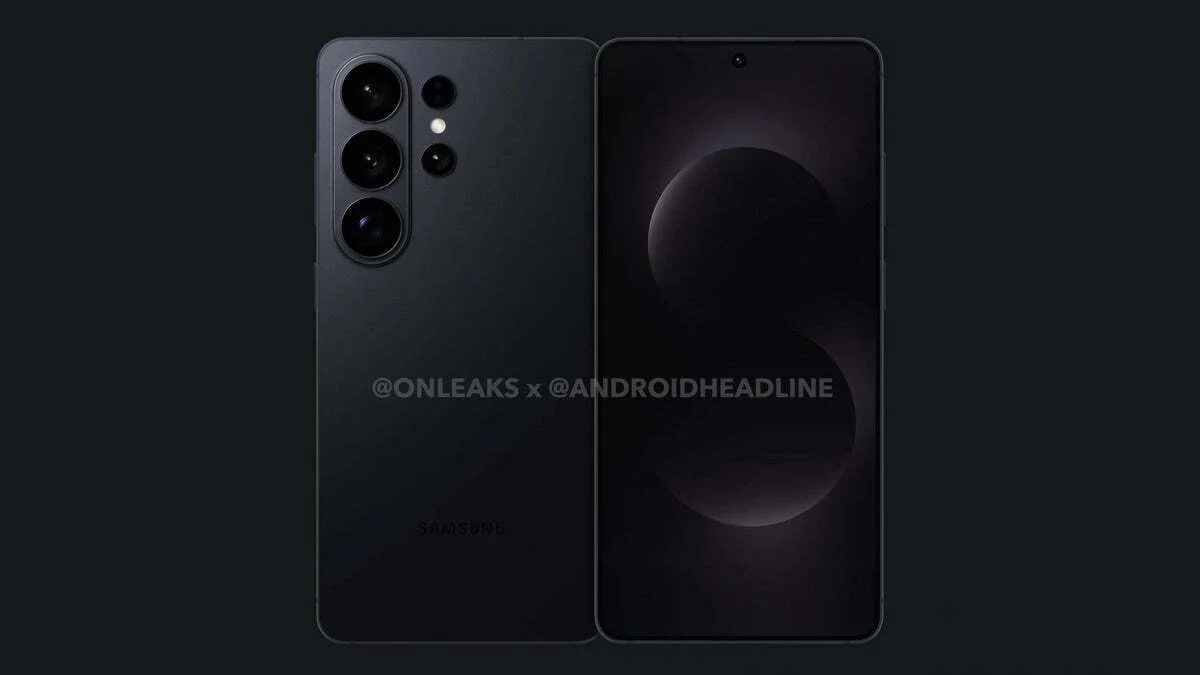
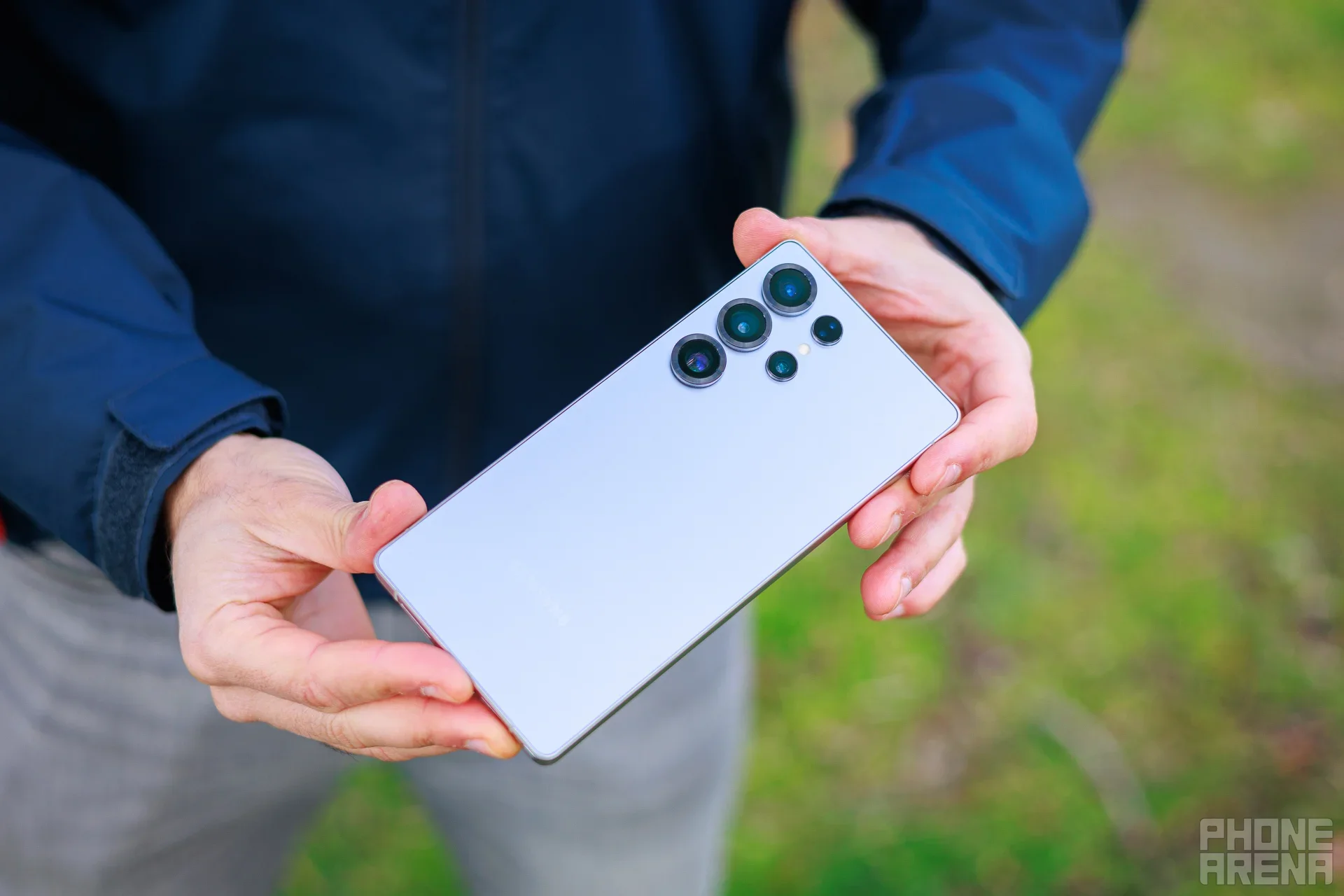
Imagine a smartphone with the sleekness of a Galaxy S25 Ultra, coupled with a powerful 10,000 mAh battery. This may seem like the perfect combination for long-lasting battery life, but is it really a practical choice?
In recent years, we have witnessed the emergence of silicon-carbon batteries in smartphones from various Chinese manufacturers like the Honor X70 and Oppo K13. These batteries boast much higher capacities than traditional lithium-ion cells, with the Honor X70 featuring an impressive 8,300 mAh battery.

Regulatory Challenges in Battery Design
One of the key challenges associated with high-capacity batteries is the regulatory restrictions on air travel. Airlines impose limits on the watt-hour (Wh) rating of the batteries, making it difficult for smartphones with excessively large batteries to meet these requirements.
For example, popular smartphones such as the Samsung Galaxy S25 Ultra and iPhone 16 Pro Max hover around the 20 Wh limit per individual cell. To navigate these restrictions, manufacturers like OnePlus have adopted dual-cell designs to comply with aviation regulations.
The Role of Physics in Battery Technology
Another factor to consider in designing smartphones with high-capacity batteries is the physics behind battery performance. Silicon-based batteries can affect charging speed and heat generation, but the addition of carbon in the composite structure helps mitigate these issues.
Ultimately, the decision to prioritize battery capacity over device size and weight is a matter of choice for consumers. While larger batteries offer extended usage time, they also come with trade-offs in terms of device portability and regulatory compliance.