Curved screens on smartphones were once a popular design trend that has now faded away. This article explores the reasons why curved screens were disliked and ultimately phased out in favor of flat displays.
The Rise and Fall of Curved Screens
Curved screens initially gained attention for their unique appearance and futuristic appeal, as seen in devices like the Galaxy S7 edge and the Galaxy S8. However, over time, the drawbacks of curved screens became more apparent, leading to their decline in the smartphone market.
Issues with Curved Screens
One major issue with curved screens was their inferior grip and ergonomics. The curved edges made it challenging to hold the phone comfortably, resulting in a less secure grip for users. Additionally, curved screens distorted content and caused reflections and glare, impacting the overall viewing experience.
Accidental touches and limited accessory compatibility were also common problems associated with curved screens. Screen protectors were difficult to find and apply to curved devices, adding to the frustration for users. Moreover, the costs of repairing a cracked curved screen were higher compared to traditional flat displays.
Saying Goodbye to Curved Screens
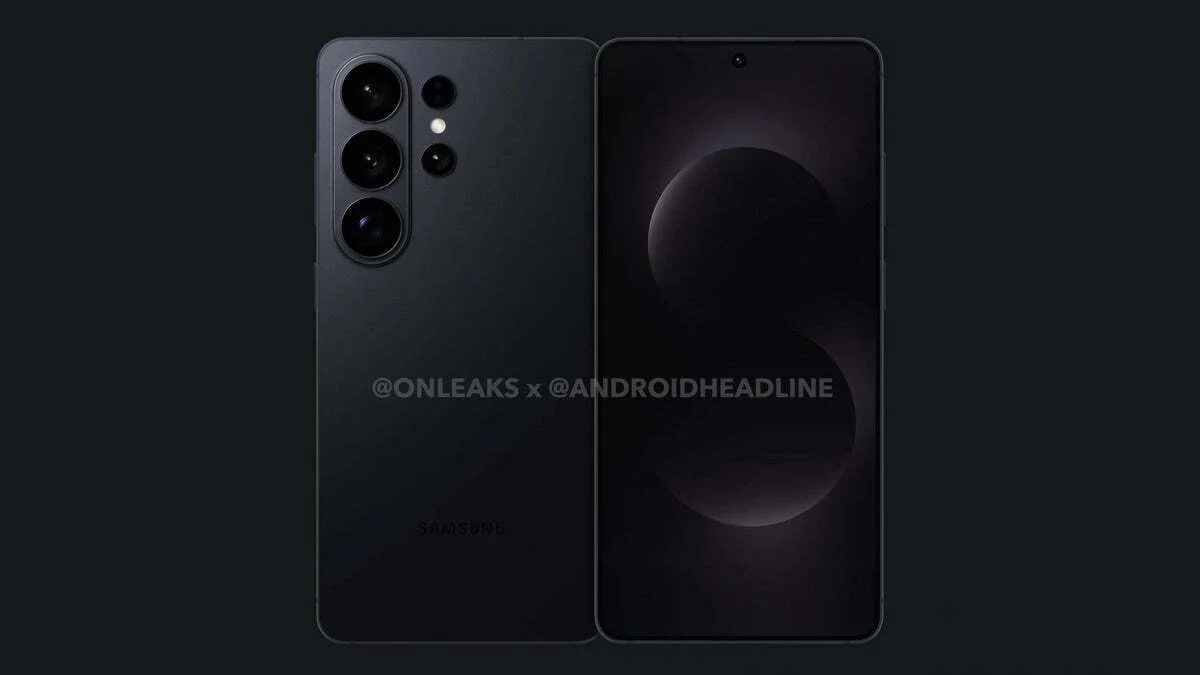
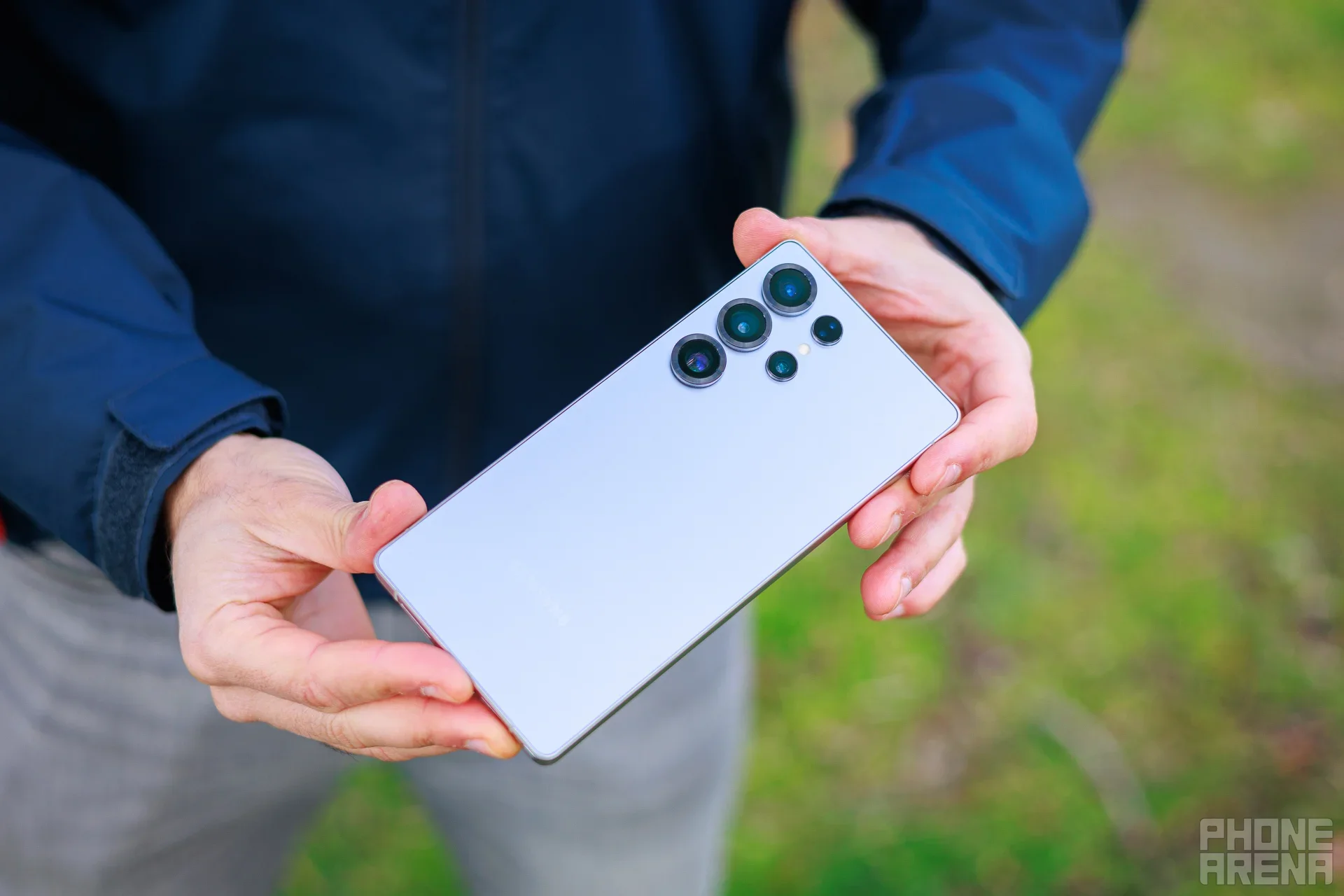
As curved screens became less popular, manufacturers shifted towards sleeker, more practical flat displays. The transition to flat screens brought about improved usability, better compatibility with accessories, and lower repair costs for consumers. Overall, the move away from curved screens marked a positive change in smartphone design.
Conclusion
Curved screens may have had their moment in the spotlight, but their drawbacks ultimately led to their decline in the smartphone industry. With the prevalence of flat displays, users can now enjoy a more ergonomic and user-friendly experience with their devices. Farewell, curved screens - you will not be missed.