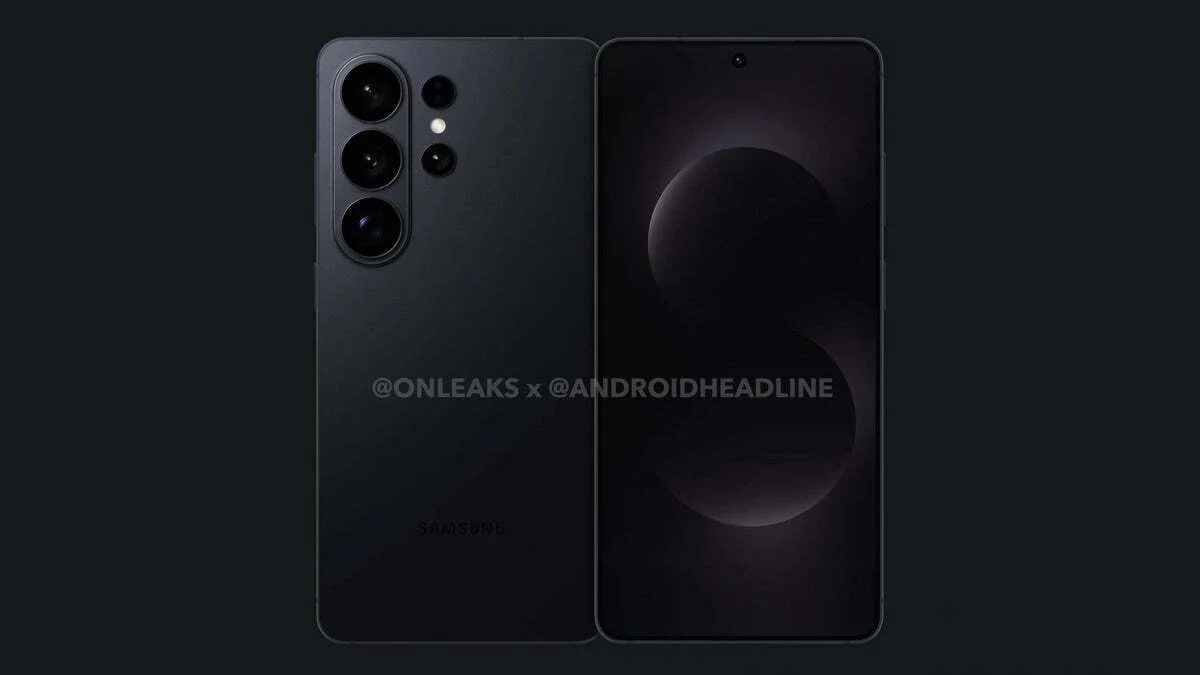
Do you find yourself constantly reaching for your smartphone, whether it's the latest iPhone model or Samsung Galaxy? Are you anxious when you're away from your phone, and do you spend hours scrolling through notifications and updates? Smartphone addiction is a real issue that can have detrimental effects on your mental health, and it's important to address it.
The Rise of Information Overload
When the Internet first emerged, it promised access to a wealth of information. However, the constant barrage of notifications and updates from smartphones can overwhelm our brains, leading to cognitive fatigue and decreased concentration.
The Dangers of Relentless Notifications
Smartphones like the iPhone 16 Pro Max and Galaxy S25 Ultra bombard users with notifications, leading to decreased cognitive function and concentration. Studies have shown that excessive push notifications can negatively impact task performance and mental well-being.
The Fear of Missing Out (FoMO)
The fear of missing out, or FoMO, is a common phenomenon exacerbated by smartphone usage. Constantly checking for updates and new information can lead to daily-life disruptions and distractions, contributing to smartphone addiction and social media disorders.
The Dopamine Treadmill of Smartphone Use
Smartphone apps and interfaces are designed to keep users engaged at all times, leading to addictive behavior similar to gambling and substance abuse. The constant stimulation of dopamine release from smartphone use can create a cycle of addiction that is difficult to break.
Tips to Combat Smartphone Addiction
- Avoid screens for the first hour of the day to break the dopamine addiction cycle.
- Turn off non-essential notifications to reduce distractions and focus on what's truly important.
- Take a day off from your smartphone to reset rewarding pathways in the brain.
- Take breaks to protect your eyes from extended screen exposure.
- Engage in analog activities to disconnect from the digital world and focus on real-life experiences.