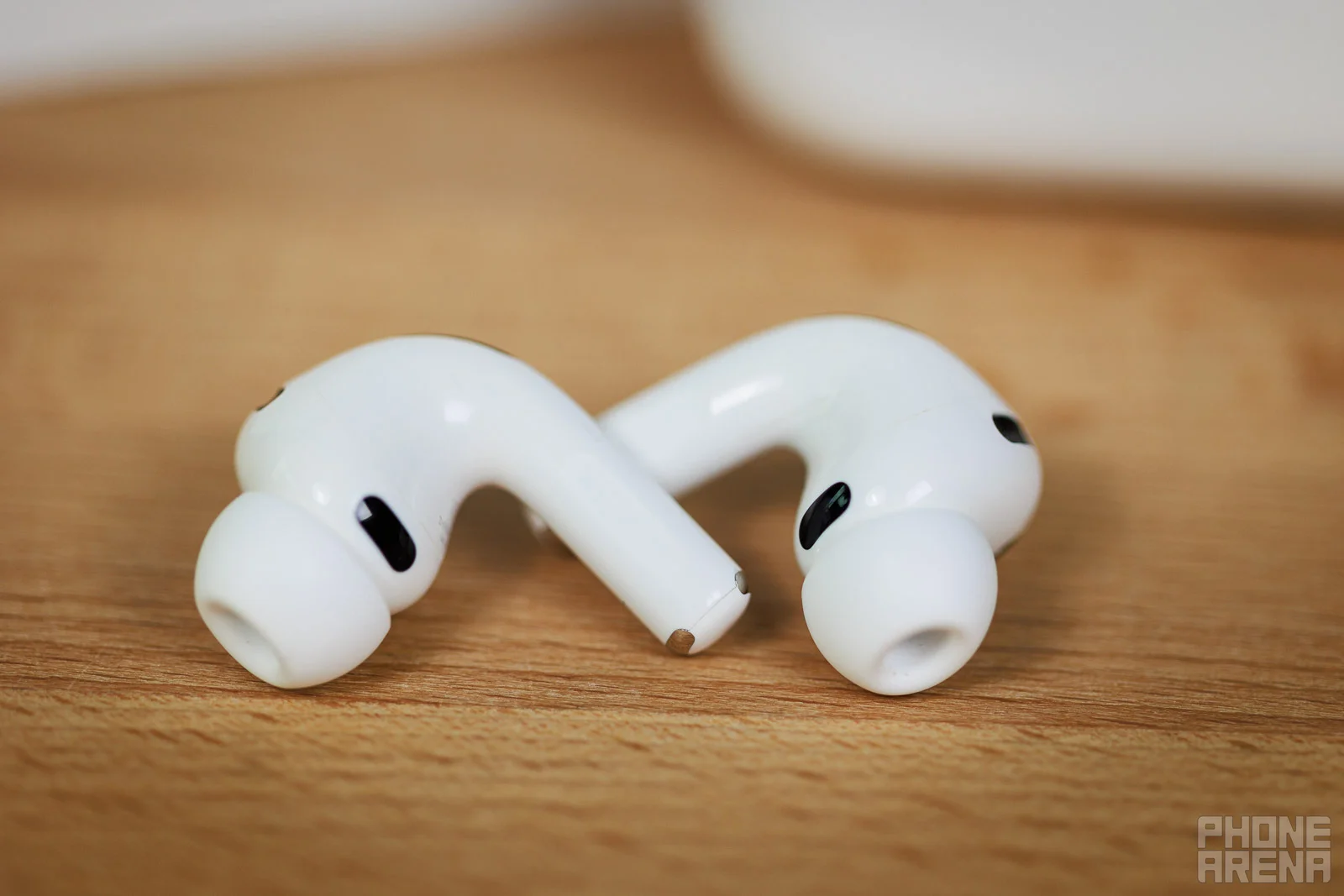
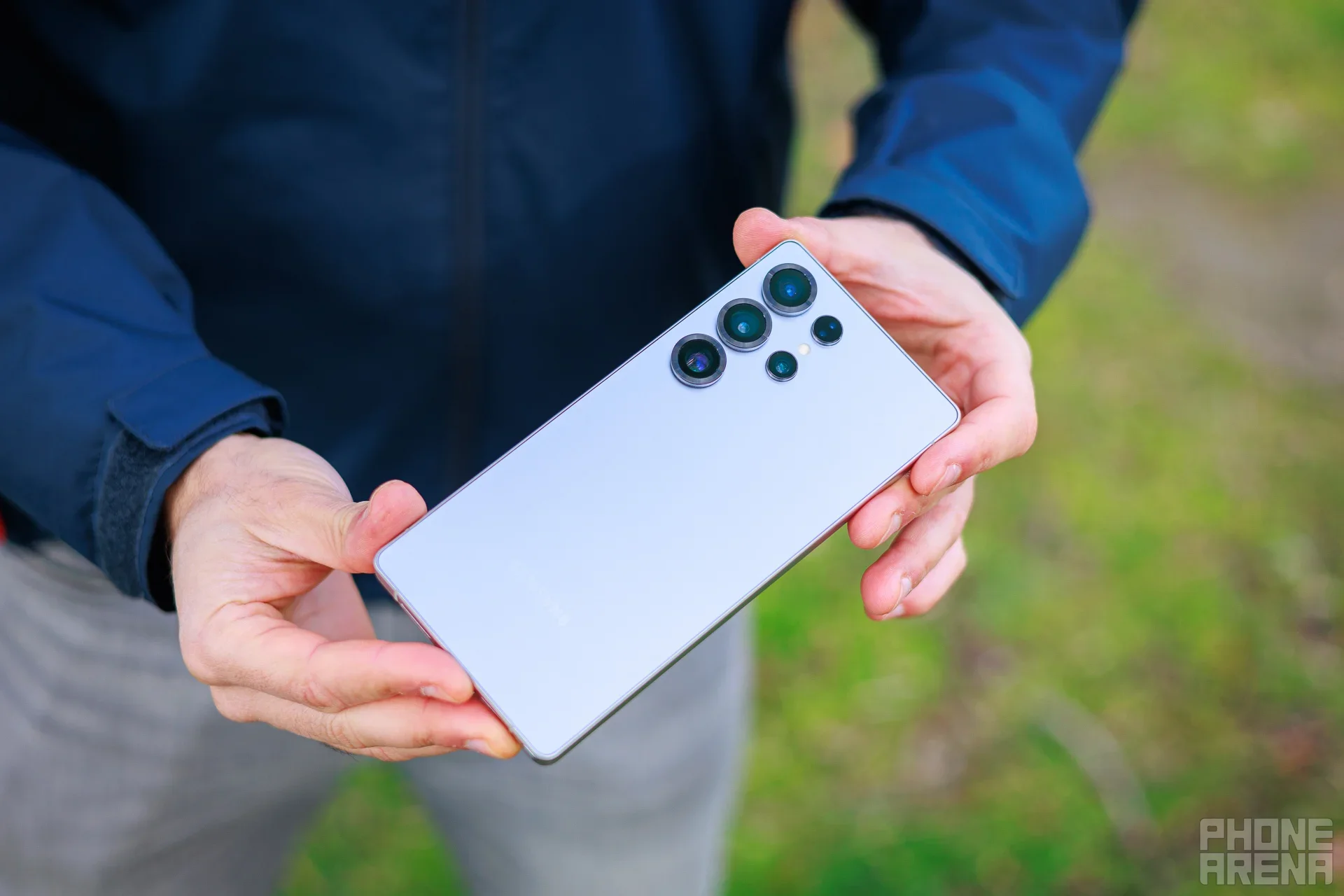
Apple is known for its rigorous testing methods to ensure the durability and reliability of its products. With over 200 durability labs worldwide, the tech giant puts its devices through extreme tests to make sure they can withstand real-life usage. From water resistance to drop tests, Apple spares no effort in ensuring its products are built to last.
Exploring Apple's Durability Testing Process
During a recent visit to one of Apple's labs, Counterpoint got a firsthand look at how the company tests its devices. From exposing products to harsh environments to simulating everyday wear and tear, Apple leaves no stone unturned in its quest for perfection.
An iPhone undergoes a water resistance test to simulate exposure to rain. | Image credit: Apple
Apple's testing includes subjecting devices to warm and humid conditions, exposure to salt, and even testing how they respond to fine sand particles. The company also uses artificial versions of sweat and earwax to see how products hold up to constant exposure.
A drop test assesses an iPhone's ability to survive accidental drops. | Image credit: Counterpoint
One of the key areas of testing is water resistance, with Apple simulating rain and other conditions to evaluate how well its products can repel liquid. Different tests, such as the drip ceiling test, determine the level of water resistance and help qualify devices for IP ratings.
Apple also tests devices for their ability to withstand vibrations, high-pressure water jets, and even submersion in various liquids. Each product undergoes a series of tests to ensure it meets Apple's high standards for durability.
Apple tests devices to gauge their resistance to vibrations. | Image credit: Apple
With the upcoming release of the iPhone 17 series, including the ultra-thin iPhone 17 Air, Apple's meticulous testing process is more important than ever. The company tests thousands of units before launch, ensuring that each device is ready to meet the demands of users worldwide.