Following the footsteps of the U.S. Commerce Department, Taiwan has decided to ban chip exports to Huawei and SMIC. This move comes after reports of TSMC unknowingly supplying chiplets to Huawei for its Ascend 910B AI accelerator chip, leading to potential fines. The ban aims to prevent TSMC from being deceived again by Huawei and SMIC through shell companies.
Understanding the impact of chiplets on the semiconductor industry
Chiplets, modular integrated circuits, are becoming increasingly popular due to their flexibility in manufacturing. TSMC's use of American technology makes it subject to U.S. export laws, restricting shipments to Huawei and SMIC without a license. This has pushed Huawei and SMIC to resort to alternative, less efficient manufacturing processes to bridge the gap in silicon technology.
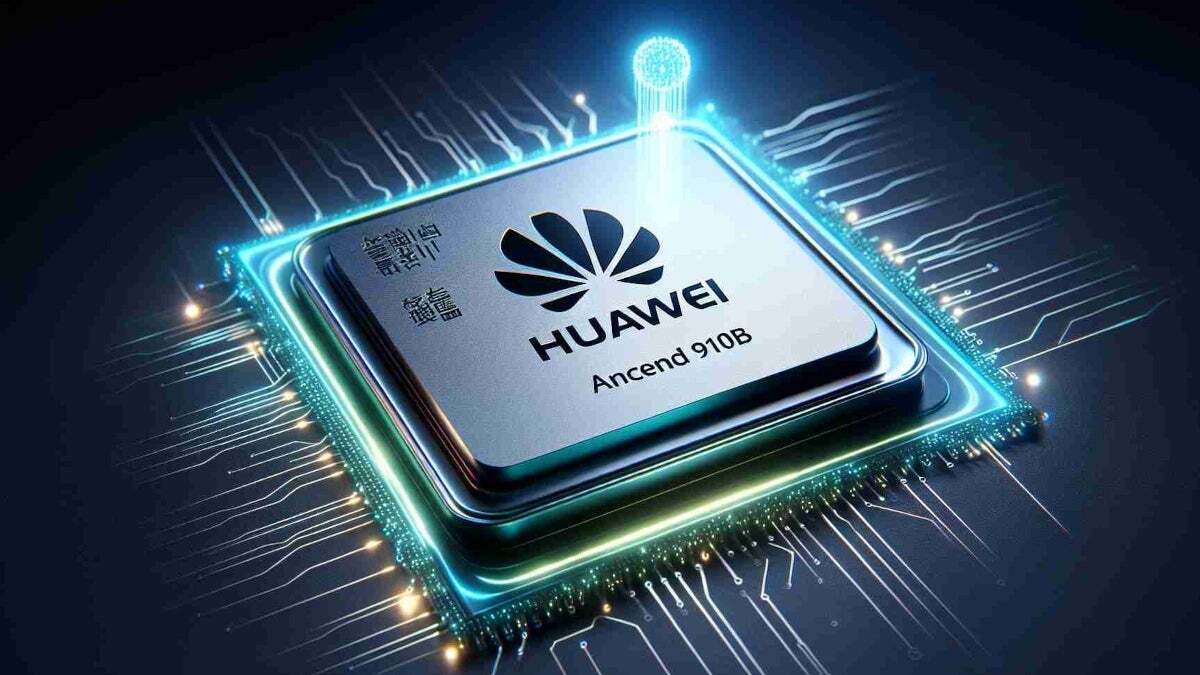
Huawei's use of TSMC chiplets has raised concerns about security and compliance.| Image credit-Huawei
The new restrictions from Taiwan pose additional challenges for Huawei and SMIC in sourcing chips, further complicating their operations. The move reflects Taiwan's concerns over the potential weaponization of advanced chips by China and the threat it poses to Taiwan's security.
It is speculated that the collaboration between the U.S. and Taiwan in imposing restrictions on chip exports was influenced by TSMC's dealings with Huawei. By aligning with the U.S.'s stance, Taiwan aims to enhance control over chip transactions and prevent further loopholes that exploit the export regulations.
Implications of Taiwan's chip export restrictions on the semiconductor industry
The geopolitical implications of Taiwan's actions on chip exports will impact the semiconductor industry's landscape. The strategic move reflects a shift towards safeguarding critical technologies from potential adversaries and highlights the growing complexity of global supply chains.