Samsung has made strides in incorporating seamless updates into their lineup of Android smartphones, but the recent release of the Galaxy A26 and Galaxy A36 brings some confusion. While the Galaxy A36 supports this convenient feature, the A26 does not, leaving consumers wondering about the consistency of Samsung’s update strategy.
The Galaxy A36, one of the company's latest mid-range models, is equipped with seamless updates. This means that when updates are available, they can be installed in the background without interrupting the user's experience. In practice, this involves utilizing two identical system partitions, allowing the device to switch partitions upon reboot for a more efficient installation process.
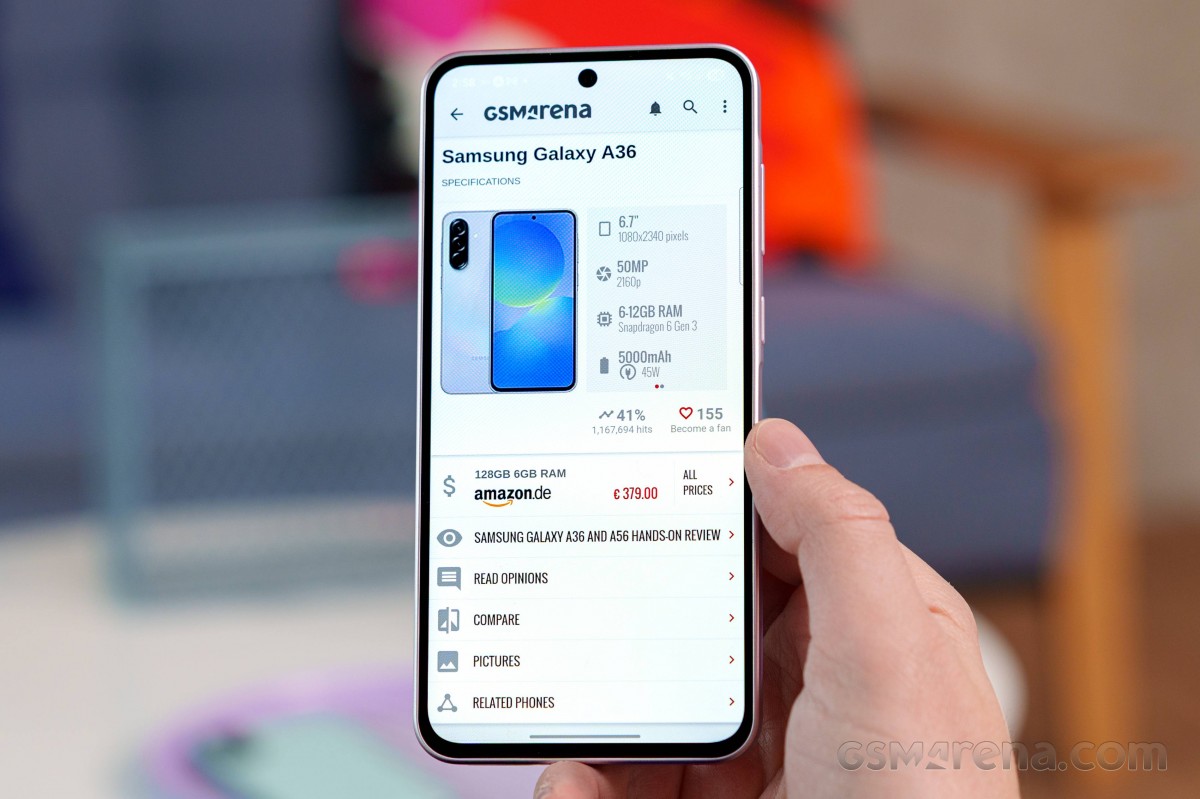
On the contrary, the Galaxy A26 does not have this capability. As Samsung has failed to implement seamless updates in this model from the outset, there is no possibility of adding this feature in future updates. This inconsistency highlights Samsung's sluggishness in rolling out modern features across their devices, adding frustration to those who have come to expect smoother and faster updates.
Looking ahead, the Galaxy A56 has yet to receive its first update, yet many are hopeful that it will include support for seamless updates, especially given that its predecessor was equipped with this feature.
In an age where timely and hassle-free updates are increasingly important to consumers, Samsung's uneven approach to implementing seamless updates in its mid-range offerings raises questions about their commitment to delivering a consistent user experience. Below are the details of the Samsung Galaxy A26 and A36 for interested buyers.
Samsung Galaxy A26
| 256GB 8GB RAM |
$ 268.98

|
€ 263.03

|
| 128GB 6GB RAM |
€ 275.00
|
£ 230.20

|
| Show all prices |
Samsung Galaxy A36
| 128GB 8GB RAM |
$ 304.50
|
₹ 30,999

|
| 256GB 8GB RAM |
$ 329.99
|
€ 379.00
|
| Show all prices |