Phones on Lease: The Shift from Purchase to Rental
The smartphone industry is witnessing a pivotal shift as more consumers consider leasing options instead of outright purchases. With continuous enhancements in phone reliability, manufacturers are beginning to recognize the potential of subscription-based models to provide users with affordable access to the latest devices. As this trend gains momentum, we explore the pros and cons of leasing versus buying smartphones and examine the implications for consumers and the environment.
The Evolution from Purchase to Subscription
As smartphone prices continue to rise, tech companies like Apple are re-evaluating their sales strategies. Mark Gurman has hinted at the possibility of Apple reintroducing subscription-based leasing for iPhones to cater to evolving consumer preferences.
Leasing vs. Buying: A Comparative Analysis
| Aspect | Leasing (Subscription) | Buying New (Outright) | Buying Secondhand / Refurbished |
|---|---|---|---|
| Upfront Cost | Low or none | High – full retail price (if no offers) | Low to moderate – significantly cheaper than new |
| Monthly Payments | Yes – ongoing until cancellation or plan change | No (unless financed separately) | No ongoing payments (some models available for financing) |
| Ownership | No – returns required, or option to buy | Yes – complete ownership of the device | Yes – you own the device outright |
| Upgrade Frequency | Regular – often annually, included in plan | As desired | As desired |
| Convenience | Very convenient – upgrades and support included | Moderate – user handles upgrades/trade-ins | Moderate – lower cost but requires vetting seller/device |
| Included Extras | Often includes insurance, warranties, etc. | Usually not included (must purchase separately) | Rarely included, varies by seller |
| Environmental Impact | Mixed – beneficial if phones are refurbished | Neutral to negative if frequently replaced | Positive – extends product lifespan and minimizes e-waste |
| Software Support Lifespan | Full – latest device support ensured | Full – limited to individual phone's support cycle | Shorter – potentially fewer update years remaining |
| Total Long-Term Cost | Higher – especially with indefinite leasing | Lower – particularly if kept for 3–5 years | Lowest – may require earlier replacement or repairs |
| Best For | Users wanting the latest phone with minimal hassle | Users seeking long-term value and full ownership | Budget- or eco-conscious users |
Manufacturers Experimenting with Leasing Models
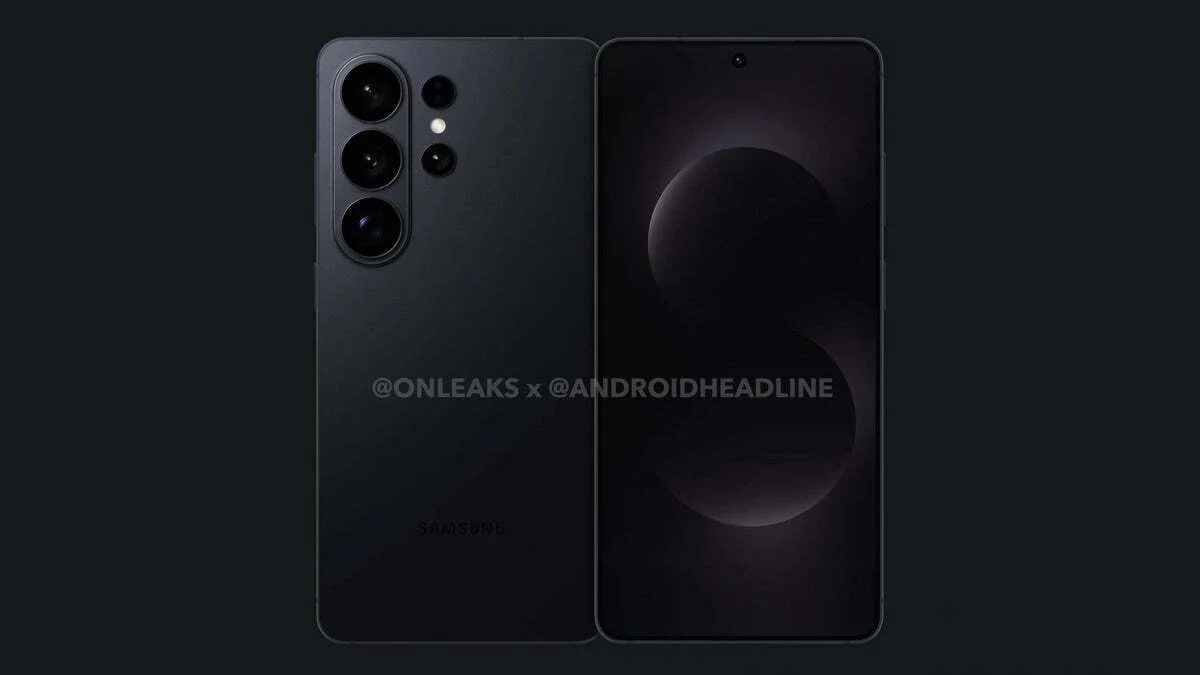
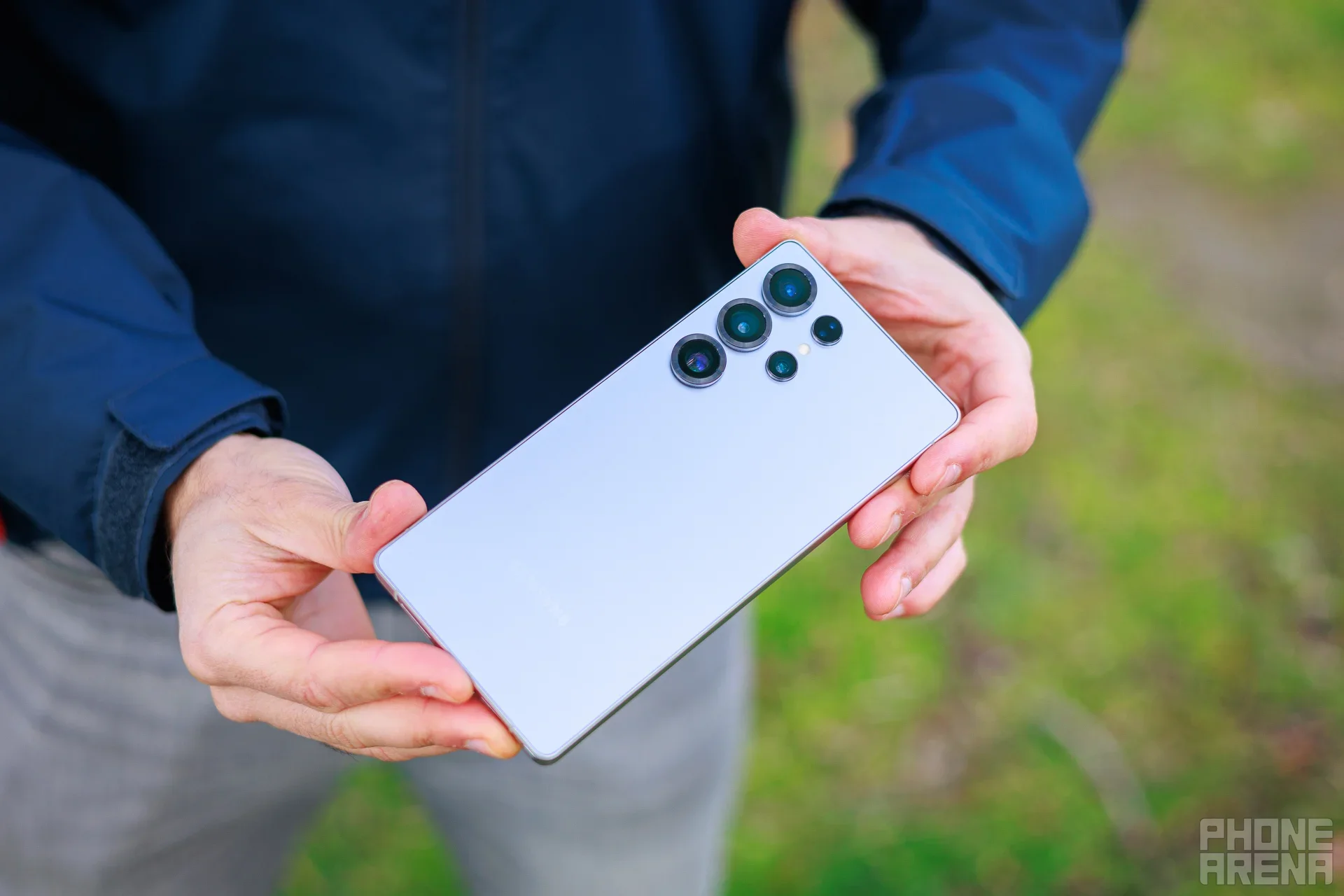
Companies are actively exploring leasing models as evidenced by Samsung's introduction of its "AI Subscription Club," which allows customers to lease a Galaxy S25 for a nominal monthly fee — reinforcing the shift toward rental agreements in tech purchases.
Is Buying on the Brink of Obsolescence?
With the smartphone leasing market projected to grow significantly, estimated to reach nearly $110 billion by 2027, many are questioning whether outright purchases will become obsolete. The improved longevity of devices due to extended software support and the affordability of refurbished options are instrumental in this evolution.
Balancing Affordability and Environmental Concerns
Leasing programs can foster sustainability by promoting refurbishment, thereby minimizing waste while conserving resources. This circular economy approach can effectively reduce environmental impacts, with leasing potentially saving up to 91% in terms of resource extraction and greenhouse gas emissions.
Conclusion: A Hybrid Approach Ahead
As consumers increasingly contemplate their purchasing options, the coexistence of leasing, buying new, and purchasing secondhand devices may define the future of smartphone ownership. This hybrid approach could cater to diverse consumer needs while prioritizing sustainability.