T-Mobile's Ambitious Satellite Texting Feature Stalled by Regulatory Hurdles
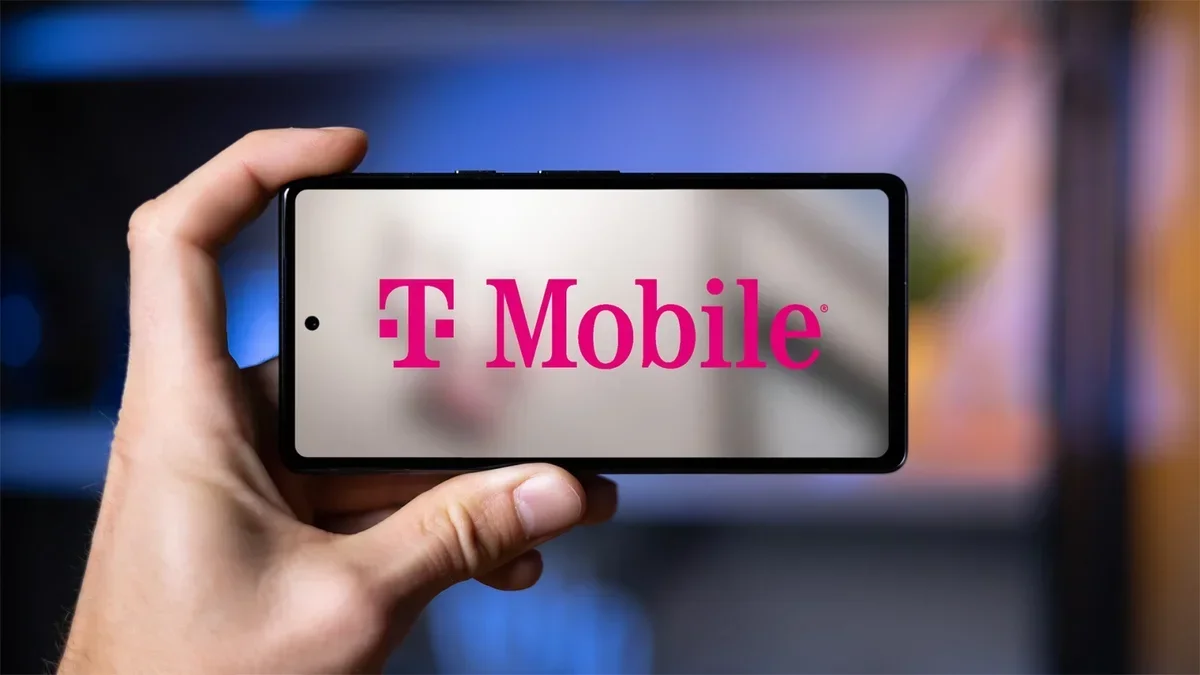
T-Mobile is on a mission to enhance mobile connectivity through its collaboration with SpaceX, utilizing Starlink satellite technology to provide texting capabilities in areas lacking traditional cellular coverage. However, despite being poised to expand its service, regulatory challenges are preventing a wider rollout.
T-Mobile has joined forces with SpaceX to leverage Starlink's satellite technology, aiming to eliminate cellular dead zones across more than 500,000 square miles of the United States. This innovative partnership aims to fill communication gaps where terrestrial signals are absent, enhancing safety and connectivity for users in remote areas.
The current program is still in its beta phase, with only a select number of devices eligible. Recent models from Apple, Google, and Motorola qualify, and T-Mobile has made an exception for Samsung's Fold 3 model, dating back to 2021. Although T-Mobile is eager to extend this service to a broader range of devices, bureaucratic red tape is complicating matters.
One of the significant barriers is the necessity for regulatory approval for devices to access satellite features. T-Mobile cannot simply activate satellite connectivity on existing compatible devices. Instead, manufacturers must initiate the required approval processes. Consequently, T-Mobile and SpaceX have petitioned the Federal Communications Commission (FCC) for a waiver that would allow devices already cleared for terrestrial operations to use the satellite service, expediting the rollout to compatible models.
Jameson Dempsey, Director of Satellite Policy at SpaceX, and Thomas Dombrowsky, Vice President of Government Affairs at T-Mobile, emphasize the drawbacks of the current regulatory framework, highlighting that consumers depend on device manufacturers to seek necessary updates for equipment authorization, leaving them vulnerable in times of crisis.
The FCC previously granted waivers to facilitate satellite service access during emergencies in California and the Southeastern U.S., demonstrating the potential public benefit of re-evaluating these regulations.
As T-Mobile continues to seek solutions, they remain optimistic about expanding the list of supported devices, depending on favorable regulatory changes. In March, the company reported "hundreds of thousands of beta customers" participating in the program, indicating a strong interest in this innovative service. With rivals such as Verizon and AT&T making strides in similar satellite services, T-Mobile aims to maintain a competitive edge by broadening support for more devices.