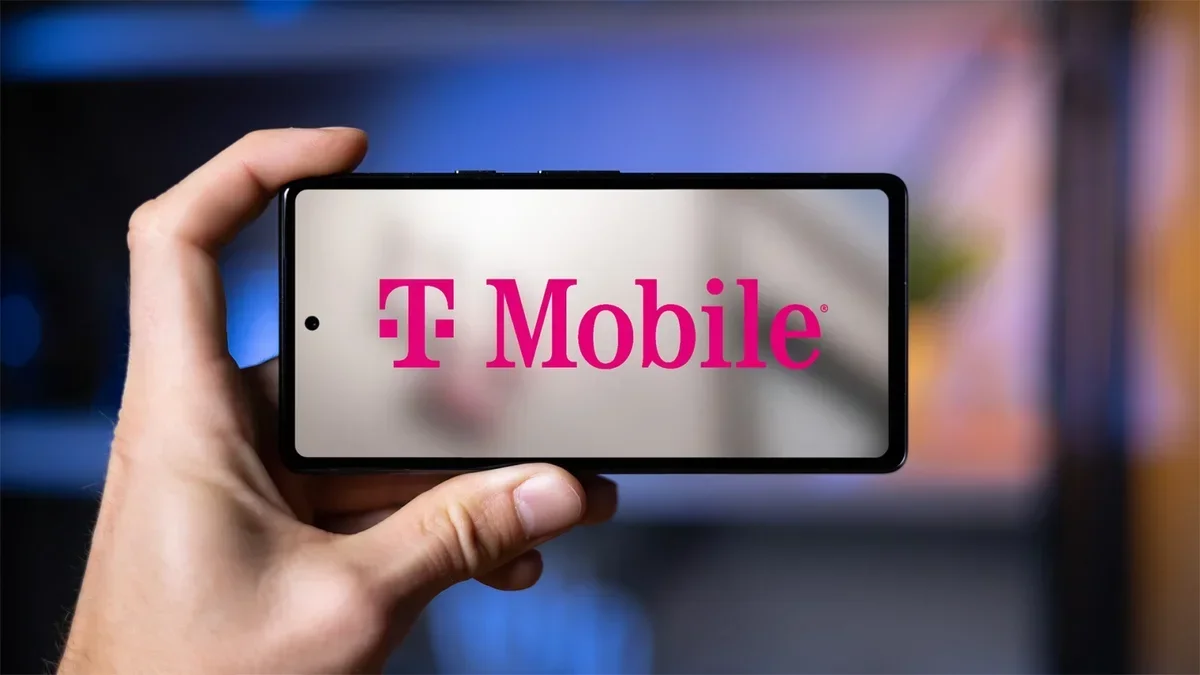
As the race for next-generation wireless technology heats up, T-Mobile is positioning itself at the forefront by testing the 7GHz spectrum band for potential 6G applications. The carrier's latest move signals its commitment to maintaining leadership in wireless innovation beyond 5G.
T-Mobile has built its network strategy around strategic spectrum acquisitions, from its $8 billion investment in 600MHz low-band spectrum for nationwide 5G coverage to the $26 billion Sprint acquisition that brought valuable 2.5GHz mid-band airwaves. Now, the company appears to be laying the groundwork for 6G by experimenting with higher frequency bands.
According to industry reports, T-Mobile is currently testing Nokia's telecommunications equipment in the 7.125-7.525GHz range under an FCC experimental license near its Bellevue, Washington headquarters. While the carrier hasn't explicitly mentioned 6G in its filings, the frequency range aligns perfectly with bands identified by Nokia and industry groups as crucial for next-generation wireless technology.
A 5G Americas white paper highlights the 7.125–8.400GHz spectrum block as particularly important for 6G development, promising 10-20 times more capacity and significantly higher data speeds while utilizing existing infrastructure. This matches T-Mobile's testing parameters and suggests the carrier is preparing for a future where AI-powered 6G networks deliver unprecedented performance.
Interestingly, T-Mobile continues its partnership with Nokia despite other major carriers shifting suppliers. The collaboration includes work on AI-driven 6G technology with partners like Nvidia, Ericsson, and Nokia itself. This positions T-Mobile uniquely in the evolving telecom equipment landscape.
While commercial 6G service isn't expected until around 2030, T-Mobile's early exploration of the 7GHz band demonstrates its proactive approach to shaping the future of wireless connectivity. The company appears determined to replicate its 5G success in the next generation of mobile technology.