The Implications of the EU's Digital Markets Act on Apple's Ecosystem
The ongoing tension between Apple and the European Union has intensified with the new demands set forth by the Digital Markets Act (DMA). This legislation, aimed at promoting competition, is challenging Apple's long-standing tradition of a controlled ecosystem. While some argue this push for openness benefits consumers, it raises questions about the potential consequences for Apple's unique user experience. This article explores the complexities of this regulatory landscape and its impact on Apple and its users.
Apple’s relationship with the European Union has always been complicated, but the latest set of demands might be the point where the company starts pushing back more aggressively. Under the EU’s Digital Markets Act (DMA), Apple is being asked to open up even more of its famously closed ecosystem—this time targeting features that many would argue are fundamental to the Apple experience itself. And unlike with USB-C or RCS, this doesn't feel like a consumer win. It feels like regulators are tampering with what makes Apple… Apple. iOS 18—both reasonable and arguably overdue. But now, the EU wants Apple to take things much further.
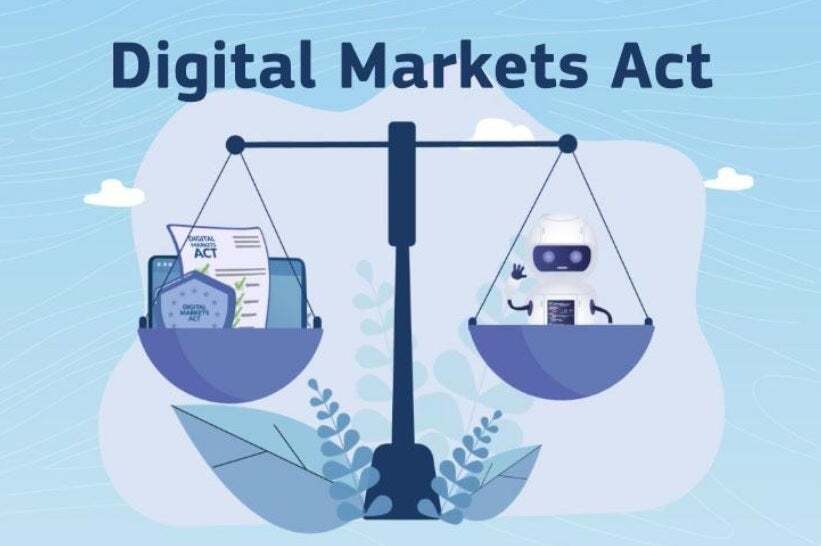
The Digital Markets Act has forced Apple to allow third-party app stores on the iPhone, to which Apple complied, but only in this region. | Image credit — DMA
With iOS 17.4 (the version tailored to the EU’s DMA requirements), Apple lets third-party app stores and alternative browser engines exist, but the hoops developers need to jump through are significant. And users are hit with scary warnings that could discourage them from straying too far from the Apple-approved path.