How Samsung's Galaxy S25 is Tapping into Sustainable Battery Recycling
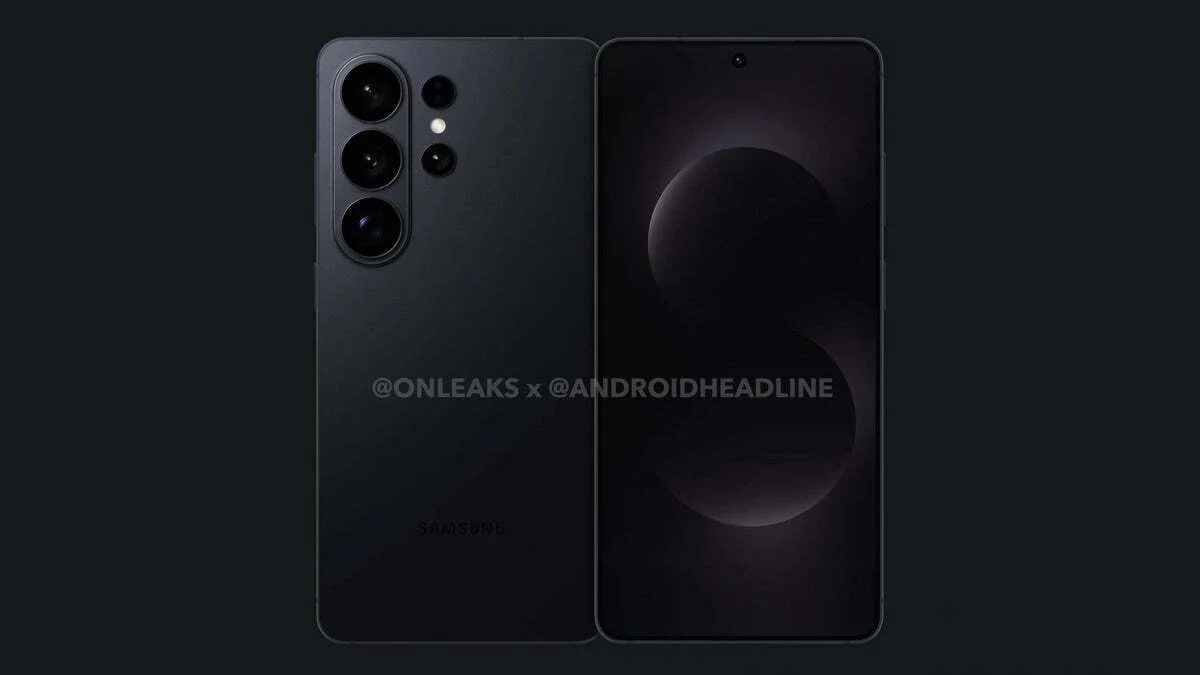
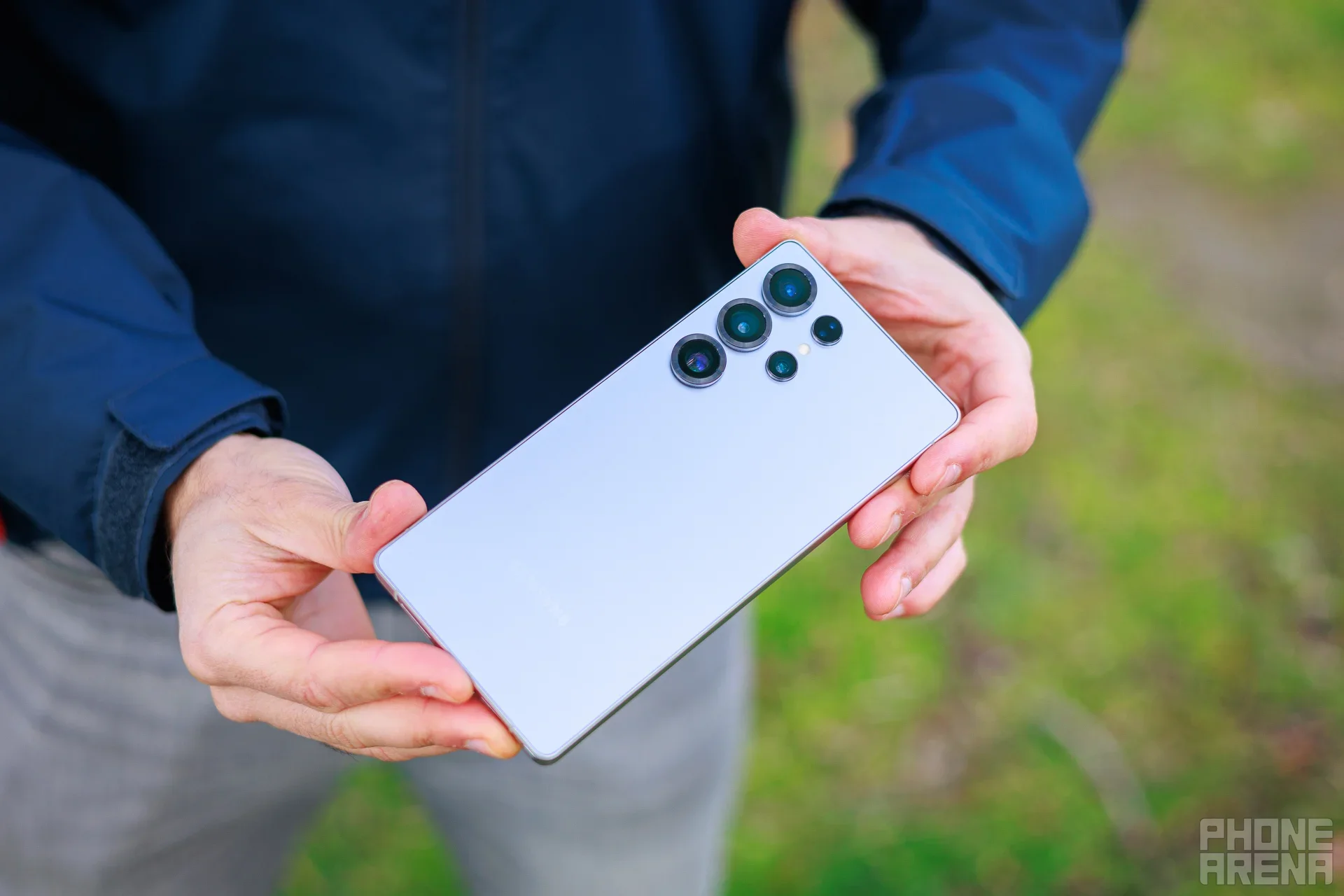
The technology sector is increasingly leaning towards sustainability, and Samsung is at the forefront of this movement with its newly launched Galaxy S25 series. By implementing an innovative Circular Battery Supply Chain program, Samsung is taking significant steps towards reducing electronic waste and promoting eco-friendly practices in smartphone manufacturing. This article explores how the company repurposes old Galaxy devices to contribute to a greener planet while enhancing the performance of their latest flagship phones.
Samsung's manufacturing facilities in Vietnam manage an impressive annual collection of approximately 200 tons of battery waste. While some countries with advanced recycling capabilities might repurpose these materials for electric vehicle batteries, Vietnam currently lacks such infrastructure. Taking the lead, Samsung has devised a solution to ensure these materials do not go to waste, promoting sustainable practices in the region.
Facilities in Vietnam are key players in generating significant amounts of waste batteries, which include defective units from the manufacturing sequence and batteries retrieved from repaired Galaxy phones returned from the United States. “Our goal was to create a system that would allow us to recycle these resources and reintegrate them into our products,” said Youngmin Kim from the Circular Economy Lab at Samsung.
The recycling journey starts with the collection of old Galaxy devices. Following this, batteries are removed, safely discharged, and shredded into manageable pieces.
“To ensure safety during transport, the batteries were crushed, adhering to stringent environmental regulations,” noted Sangcheul Lee from the Battery Group within Samsung Mobile eXperience. “This involved thorough engagement with various partner companies, navigating complex procedures.”
The shredded batteries are transformed into a fine powder known as "black mass," which is then refined to extract valuable cobalt. Cobalt has a unique trait; it can be recycled indefinitely without degradation. Surprisingly, recycled cobalt and newly mined cobalt are essentially indistinguishable in the manufacturing process.
Extracted cobalt is then utilized to produce cathode materials, which are integral for developing batteries for the Galaxy S25. Cobalt plays a crucial role in maintaining battery stability and ensuring optimal performance. While lithium is primarily responsible for electron transport within the battery, cobalt enhances the mobility of lithium, thereby guaranteeing efficient battery operation.
Conclusion
In conclusion, Samsung's Circular Battery Supply Chain not only embodies the commitment to sustainability but also marks a significant achievement for the company as it integrates recycling processes into its production line. The initiative showcases how technology companies can innovate for a greener future. Moreover, as the smartphone industry gradually gravitates toward more sustainable practices, Samsung's efforts align with a broader movement to promote ecological responsibility in technology manufacturing.