Introduction: According to recent findings from Counterpoint Research, the competitive landscape of smartphone operating systems continues to evolve, with Android firmly holding its top position globally. However, the situation in China tells a different story, as HarmonyOS has recently eclipsed iOS to claim a growing share of the market. This article delves into the latest statistics and trends surrounding these operating systems in 2024 and beyond.
Counterpoint Research has released its latest quarterly analysis regarding smartphone operating system usage. The results reveal that Android remains the clear leader on a global scale, followed by iOS, while HarmonyOS ranks third.
The research highlights significant regional differences, particularly in China, where HarmonyOS has now surpassed iOS, with projections indicating that this trend will likely continue through 2025.
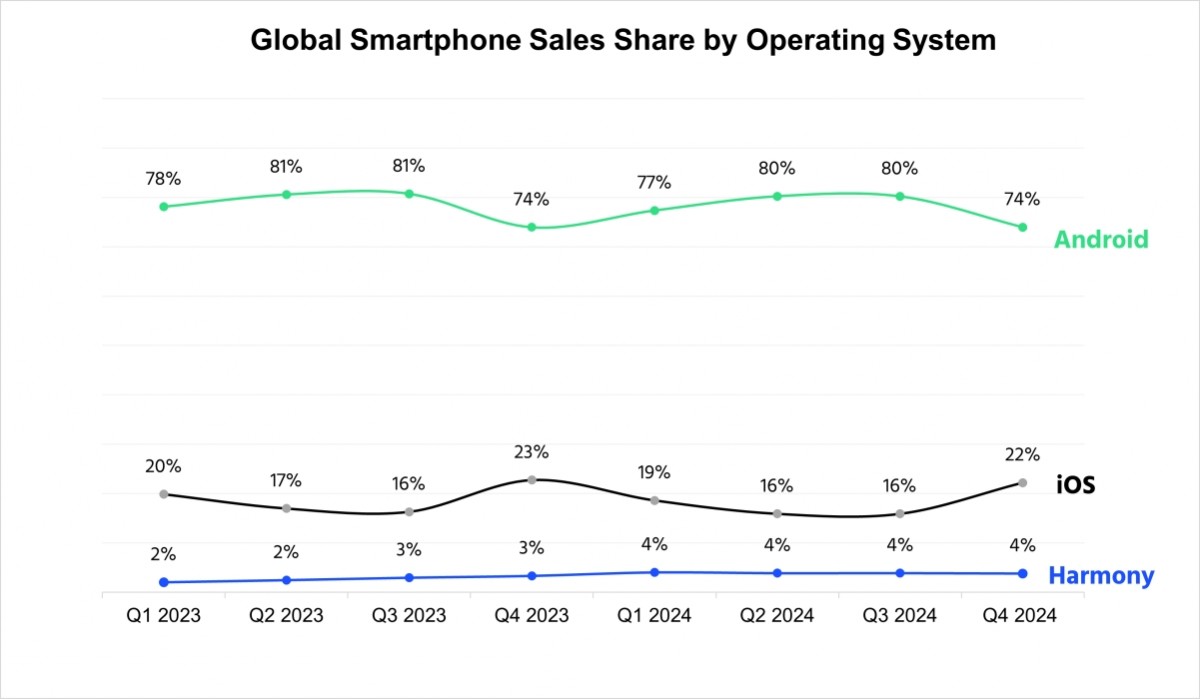
Despite stagnant smartphone sales predicted for 2024, both quarterly and yearly results show a consistent performance. In Q4 2024, Android's market share reached an all-time low in several regions, including the United States and India.
For example, sales from brands like Motorola and Google in the US balanced out the significant double-digit year-over-year decline seen in smaller manufacturers, while iPhone sales experienced only a minor 1% drop.
In India, however, iPhone sales hit a record peak in the last quarter of 2024, with two-thirds of these sales coming from older-generation models.
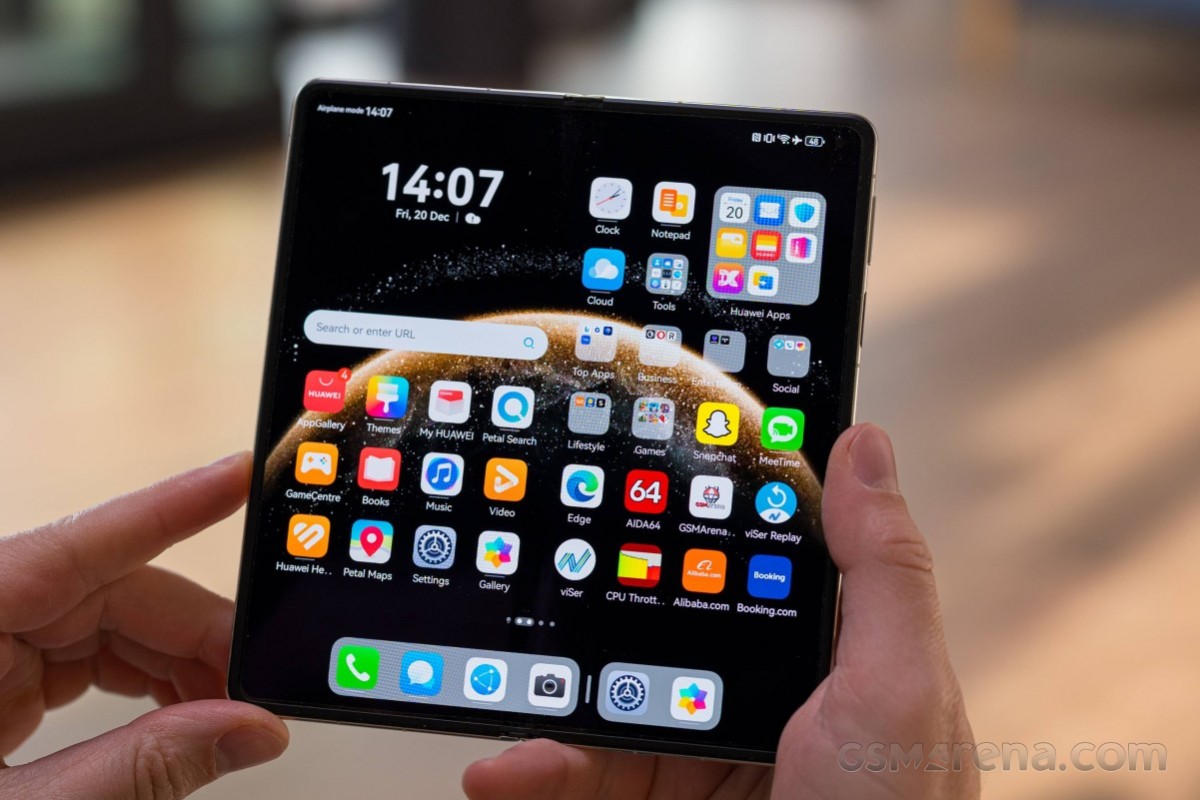
HarmonyOS has managed to retain a stable global market share of 4%. Although it sits in third place among the major operating systems, it has outperformed Apple's iOS in the Chinese market consistently throughout all four quarters of 2024. Analysts anticipate further growth for HarmonyOS, particularly due to government-backed incentives in China, where buyers receive subsidies of CNY 500 (approximately $70) for smartphones costing less than CNY 6,000 (slightly over $800) as a means to stimulate the economy.
The report from Counterpoint Research did not clarify if EMUI, Huawei's user interface recognized globally, is categorized similarly to its domestic counterpart. Regardless, the distinction is largely insignificant, considering that most of Huawei's smartphone sales occur within China.