The Thin Obsession: Why Ultra-Slim Phones May Not Be Worth It
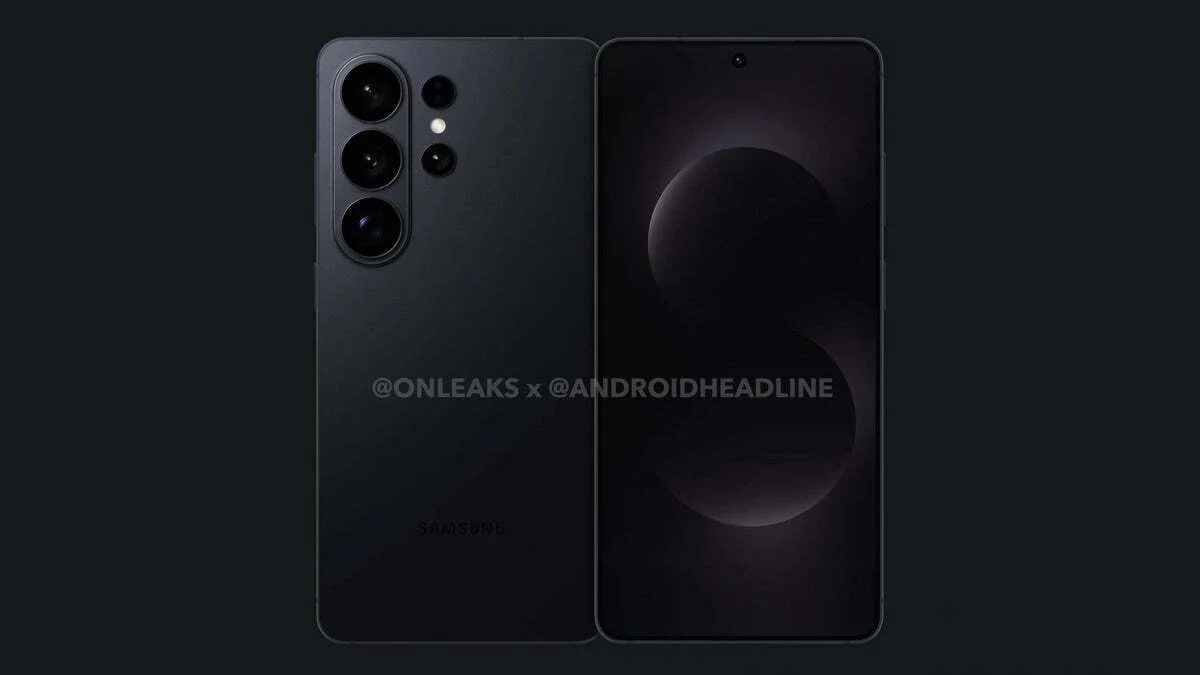
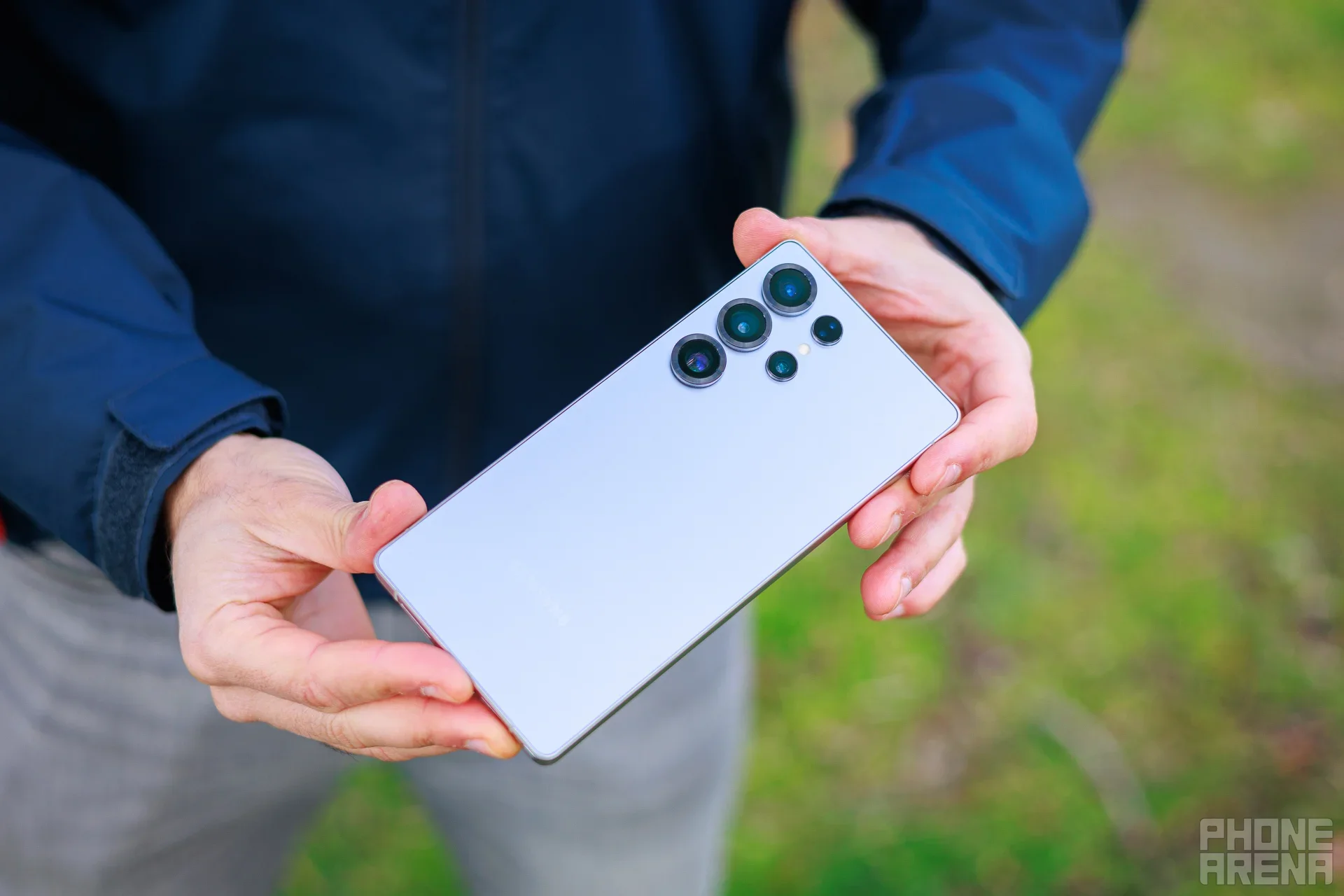
As technology advances, the race for creating the slimmest smartphone has become a focal point for many major manufacturers, including Samsung and Apple. The upcoming Galaxy S25 Edge is expected to be thinner than its S25 counterparts, though it's accompanied by a hefty price tag estimated to be above $1,000. However, with only two cameras and potentially a smaller battery, one has to wonder: Is this thinness merely a gimmick? After all, most of us will opt for cases that add bulk to these sleek phones anyway.
Is the Pursuit of Thinness Justified?
Among the tech community, there's been chatter about whether the focus on producing slimmer phones brings any real value to consumers. The Galaxy S25 Edge may measure approximately 5.84 mm thick, while its potential competitor, the rumored iPhone 17 Air, is said to be even slimmer at around 5.5 mm. However, does a millimeter difference truly matter, especially when protective cases are involved? For most users, it's likely that the experience of handling their billion-dollar investment won't change significantly once encased for protection.
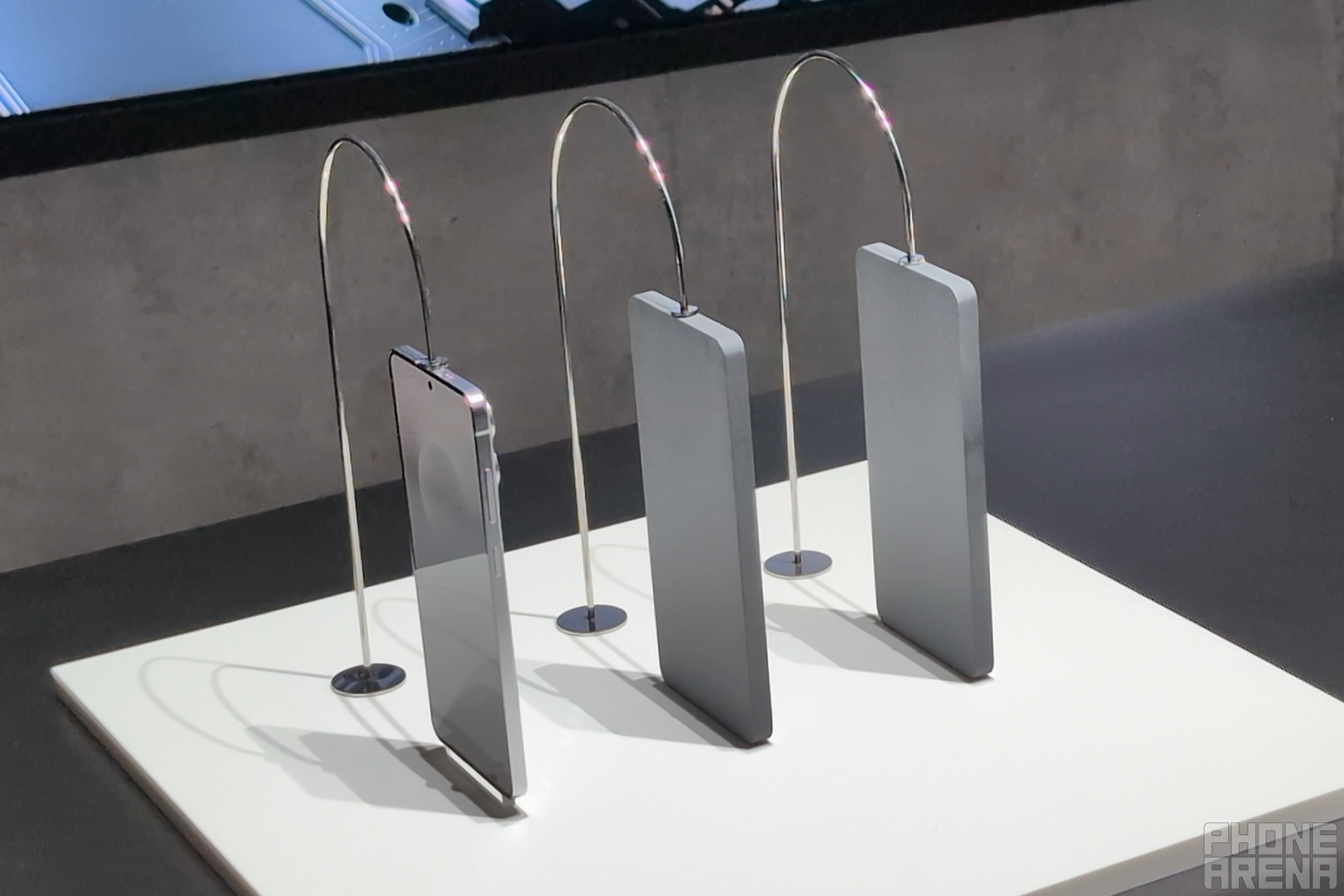
Undeniably, achieving a thinner profile is a notable engineering feat. However, this often comes at the cost of battery capacity and other critical features—a disadvantage that many users may overlook in favor of aesthetics. Brands like Oppo are innovating in this space, recently showcasing the world’s thinnest foldable smartphone which measures a mere 4.21 mm while housing a substantial 5600 mAh battery. The technology behind such breakthroughs, such as silicon-carbon batteries, could reshape industry standards, and companies like Samsung and Apple should take note.
What Lies Beyond Thin?
It's clear that thin technology has its merits, but the ongoing obsession with thinness may soon be overshadowed by practicality. Imagine the discomfort of sitting on a phone you've forgotten is in your pocket! Samsung touts the durability of the Galaxy S25 Edge, but only time will reveal its real-world resilience. Meanwhile, it's worth contemplating whether smaller, more compact phones could meet consumer demands for an experience that truly aligns with functionality over visual appeal.
Historically, smaller models like the iPhone mini faced challenges in standing out due to less powerful internals. If tech giants invest adequate efforts into creating smaller devices equipped with flagship specifications—enhanced batteries and superior camera capabilities—they might rediscover a market craving compact powerhouses rather than mere thinness that lacks essential features. Ultimately, what matters more: the allure of slimness or the appeal of robust features? Do you prefer a sleek, thin phone, or do you find that functionality reigns supreme in your choice of devices?