Introduction
Google is making significant strides in transforming Android into a comprehensive desktop operating system. With the anticipated release of Android 16, new capabilities are being introduced that will allow users to leverage external displays more effectively, paving the way for a future where smartphones can seamlessly operate as desktop machines.
Recent discoveries by Android Authority in the beta version of Android 16 reveal exciting developments concerning external monitor functionality. Traditionally, connecting an Android device to an external monitor has resulted in screen mirroring, but it appears that Google is preparing to change that with new extended display features.
Currently, Android users can find a basic option hidden within the developer settings to extend their device's display to an external monitor. This feature, while functional, has limitations; the mouse cursor remains locked to the primary screen, and users must reconnect to switch between mirroring and extending modes.
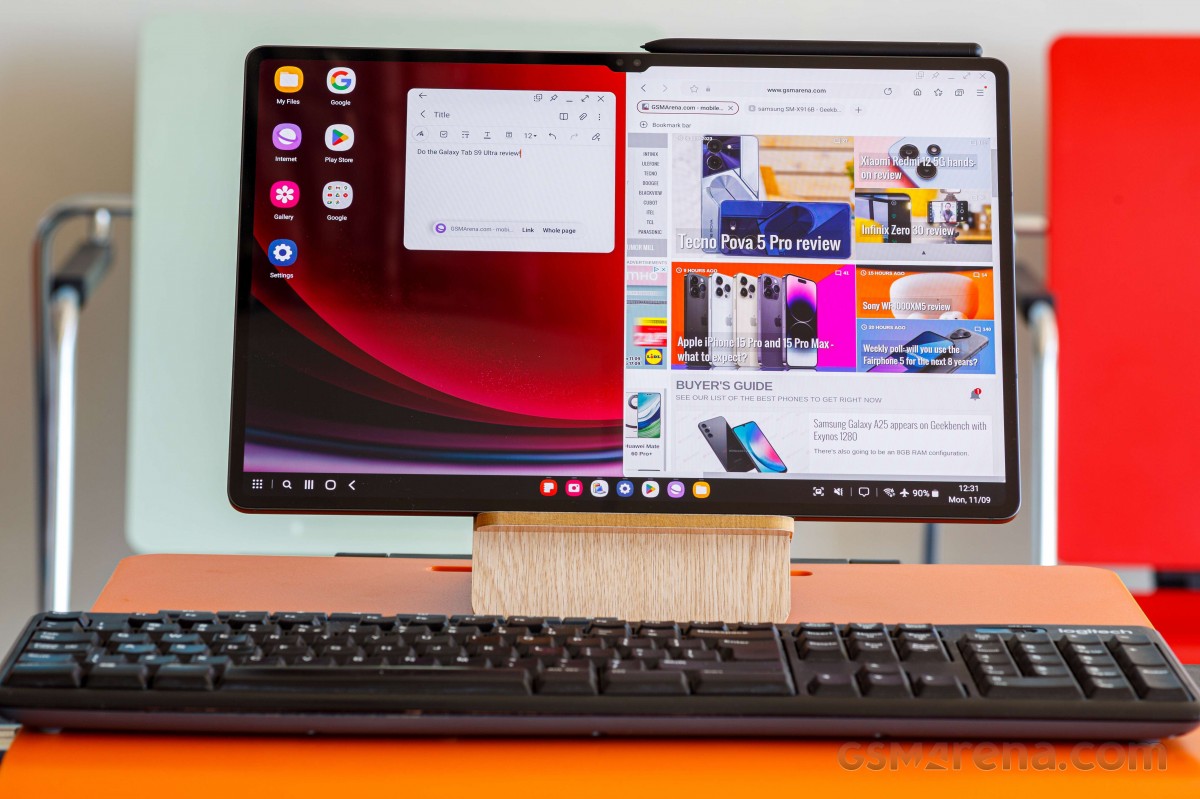
However, it seems Google is working on enhancements that will allow users greater flexibility, such as enabling the mouse cursor to transition between screens smoothly. Future iterations may include features comparable to those of traditional desktop operating systems, like options to rearrange display positions and adjust scaling settings separately for each screen.
This development suggests a strategic vision from Google to evolve Android into a robust desktop OS, potentially integrating functionalities from Chrome OS. With these advancements on the horizon, users can look forward to a more versatile Android experience that bridges the gap between mobile and desktop computing.