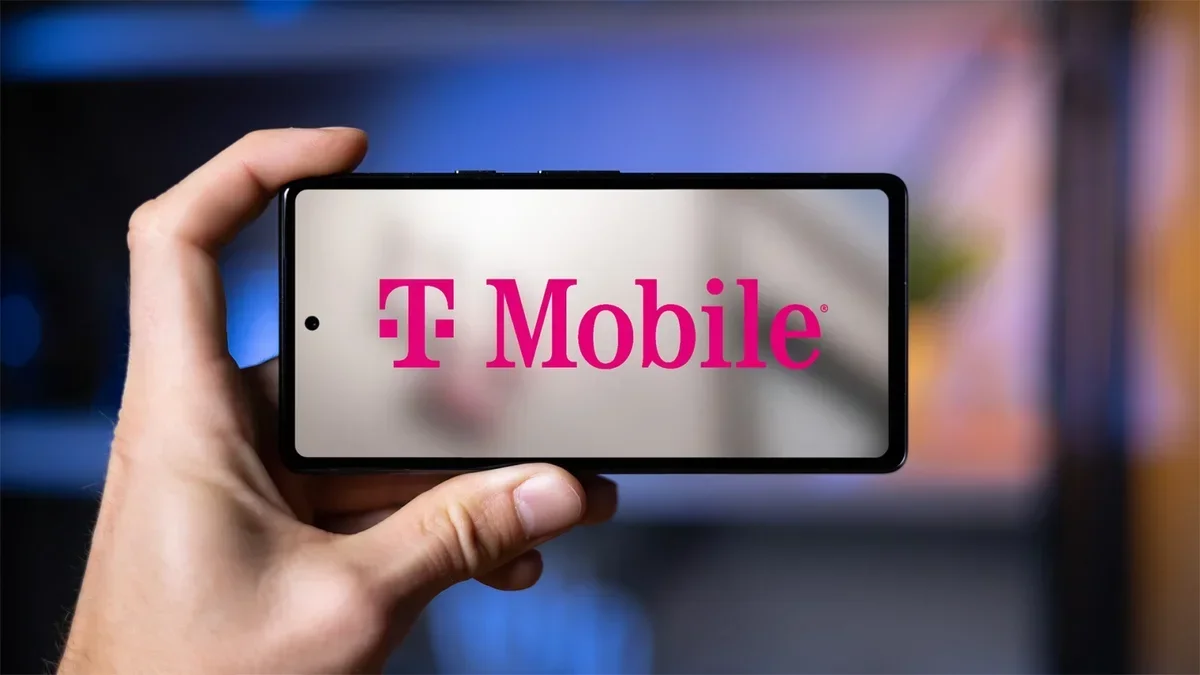
T-Mobile and SpaceX Celebrate FCC's Decision to Enhance Satellite Connectivity
The recent decision by the Federal Communications Commission (FCC) to grant a waiver requested by T-Mobile and SpaceX marks a significant advancement for mobile connectivity, particularly in remote and underserved areas. This ruling allows for improved satellite communication through SpaceX's Starlink satellites, expanding service capabilities for millions, especially during emergencies.
The FCC has relaxed the out-of-band emissions limits, enabling T-Mobile and SpaceX to enhance their direct-to-cell service. This change will permit the services to operate at higher power levels than previously allowed, ultimately benefiting T-Mobile customers, first responders, and others who rely on connectivity in off-the-grid locations. Although the direct-to-cell program is currently in beta, featuring limited SMS functionalities, this new ruling lays the groundwork for expanded services, including critical 911 emergency calling capabilities.
A Major Setback for T-Mobile's Competitors
In response to the FCC's decision, T-Mobile and SpaceX's competitors—including AT&T, Verizon, and EchoStar—expressed their concerns. They urged the commission not to grant the waiver, arguing that existing limits were essential for safeguarding terrestrial networks. They further claimed that SpaceX had not demonstrated that increased power levels would not disrupt their operations and feared that this relaxation could impair network performance.
In defense, SpaceX highlighted the critical need for improved connectivity during emergencies, asserting that without the waiver, many customers would lose access to vital communication channels. The company argued that existing PFD limits disproportionately hinder service delivery and maintain that no single threshold fits all circumstances.
T-Mobile added its voice to the discussion, asserting that the requested -110.6 dBW/m2/MHz PFD level would not impede adjacent terrestrial frequency bands. The telecommunications giant also contended that it could not support any relaxed limits that would risk causing harmful interference to its own operations.
The FCC Grants Conditional Waiver
Following a thorough review and based on engineering analyses provided by T-Mobile and SpaceX, the FCC ultimately granted a conditional waiver. This decision signals a potential reshaping of how satellite and terrestrial networks operate in tandem, ensuring that connectivity can be achieved, even in the most challenging environments.