Samsung's Latest Mid-Range Devices to Debut with Android 15, Leaving Flagship Users in the Lurch
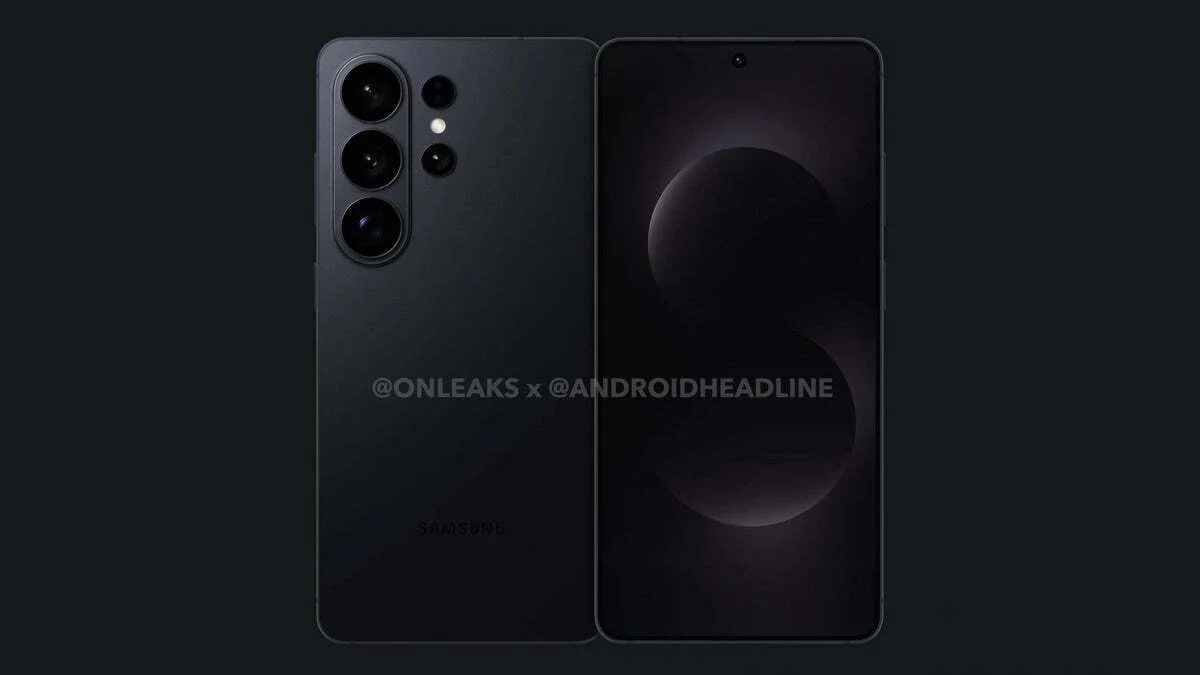
In an unexpected move, Samsung has announced the launch of its newest mid-range smartphones—the Galaxy A56, A36, and A26—set to hit the market with One UI 7, built on Android 15. This revelation has sparked conversations and concerns among users of older flagship devices, who are left wondering why their premium models are still waiting for updates. As the tech giant aims to boost sales and capture attention in a competitive landscape, it raises pertinent questions regarding software rollout priorities and customer satisfaction.
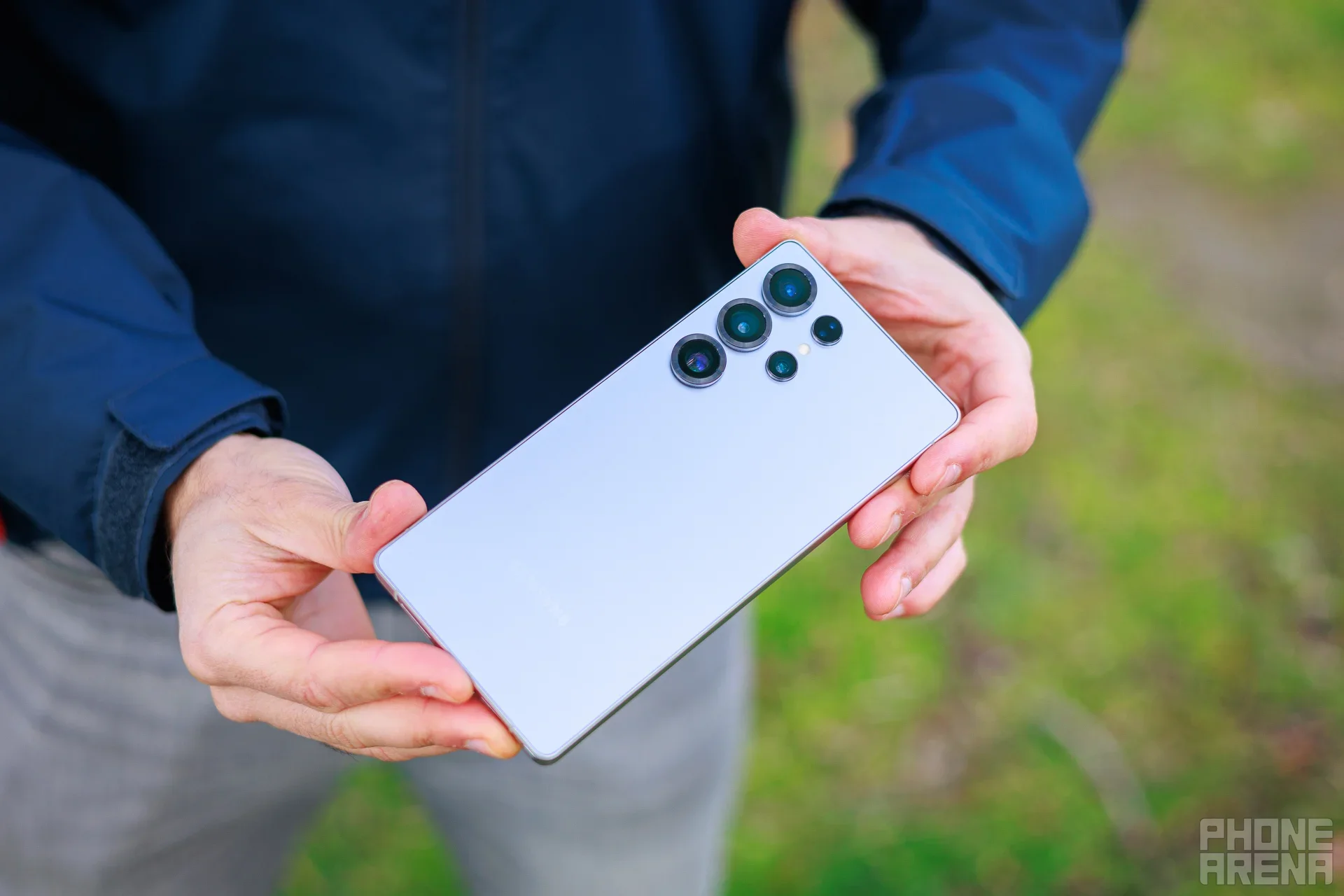
Last week, Samsung made headlines with its introduction of the Galaxy A56, A36, and A26. These budget-friendly devices are already primed to feature the newest One UI 7 overlay on Android 15. Meanwhile, loyal users of last year's flagship models find themselves in a frustrating situation, waiting for the stable version of One UI 7 after the beta was released. This delay prompts an examination of Samsung's strategy: why would they prioritize newer, less expensive models over their top-tier offerings?

Samsung has announced that their new Galaxy A series will launch with the latest software.
The technical distinctions between flagship and mid-range devices play a significant role as well. Flagship models often come embedded with advanced chipsets, superior camera technology, and high-end displays, all of which necessitate rigorous testing to ensure optimal software performance. In contrast, mid-range phones generally incorporate standard hardware that can simplify the software integration process.
Driving Sales with New Features
Despite these technical insights, a more significant factor appears to be at play: Samsung might be leveraging the excitement of new device launches with the latest software to stimulate sales. By prominently showcasing the newest features in their mid-range phones, Samsung aims to attract a broader customer base and reinforce its commitment to innovation across different pricing tiers. It's undeniable that the delayed rollout of Android 15 for older flagships has left many feeling frustrated. Many users are understandably disappointed watching newer, more affordable devices receive software updates before their premium counterparts. Fortunately, there are indications that One UI 8 may arrive sooner than previous versions, and the update process might accelerate in the coming year.
For customers who invested significantly in flagship models last year with the promise of timely updates, this year's situation felt akin to being "slapped in the face." Many perceive Samsung's approach as prioritizing sales of new devices over upholding their commitment to existing flagship owners, especially since the latest features seem less groundbreaking, with AI advancements being the standout. Certainly, it remains a complex issue, but many hope that Samsung can regain consumer trust next year and avoid repeating these frustrations.