Imagine a world where high-speed internet is transmitted through beams of light, an innovation that may soon become reality thanks to Google's advanced research lab, "X." At the forefront of this groundbreaking initiative is the Taara chip, designed to deliver data at unprecedented speeds comparable to fiber optics. Google’s Mahesh Krishnaswamy, the General Manager of Taara, shared insights in a recent blog post about the chip’s extensive testing over the past seven years, demonstrating its ability to provide internet access at remarkably high speeds.
The Taara chip aims to connect areas where conventional internet infrastructure is either prohibitively expensive or logistically challenging to implement. In a move to simplify and reduce costs, Google has unveiled its next-generation Taara chip. Unlike its predecessor, Taara Lightbridge, which relied on a complex arrangement of mirrors and sensors, the new iteration leverages advanced software to control the directivity of light without the need for bulky mechanical components.
With this innovation, the Taara system can now be miniaturized from the size of a traffic light to that of a fingernail, representing a significant technological leap towards real-world application.
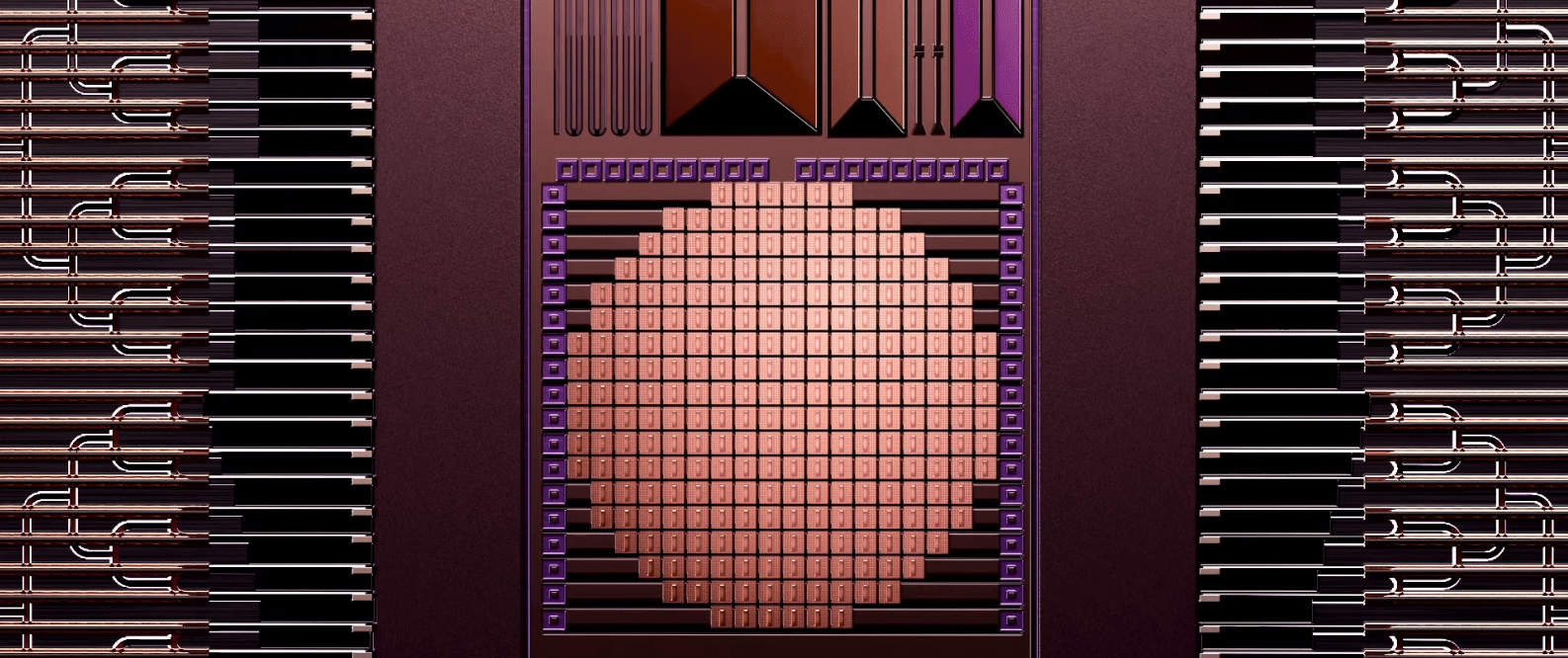
The Taara chip utilized for light-based internet transmission. | Image credit-Google
Gone are the days when mechanical components were essential for automatic beam steering; the revolutionary Taara chip implements an advanced tracking system that can steer, track, and correct light with remarkable accuracy. Each chip features countless light emitters managed by software that ensures the light is directed appropriately, establishing a secure data transmission link when beams align.
"Our team achieved significant milestones during testing at the Moonshot Factory labs, successfully transmitting data at a rate of 10 Gbps (gigabits per second) over a kilometer outdoors using two Taara chips. This achievement highlights the unprecedented capability of silicon photonics chips in high-capacity outdoor data transmission at considerable distances. And this is merely the beginning—we aim to enhance both the range and capacity by developing further iterations with thousands of emitters," said Mahesh Krishnaswamy.
While traditional fiber-optic connections rely on light traveling through underground cables, Taara utilizes a narrow, invisible light beam to transmit data at speeds of up to 20 Gbps across distances reaching 12.43 miles. One of the technology’s standout advantages is its rapid deployment; the Taara system can become operational within hours, a stark contrast to the lengthy timelines often associated with fiber installation.
Google believes that using light as a medium for data transmission will not only lower costs but also bridge the digital divide in underserved regions. Furthermore, this technology could potentially facilitate the operation of autonomous vehicles, allowing for enhanced communication capabilities. "The possibilities are as limitless as light itself," remarked Krishnaswamy.
Set to launch in 2026, the Taara chip’s development is still ongoing. Google encourages innovators and researchers keen on exploring new applications for this cutting-edge technology to reach out to the team via email at "taarateam@x.team." Who knows? You may uncover an incredible application that enables broader internet access for communities that have yet to experience its transformative benefits.