Samsung has unveiled its latest A-series smartphones, the Galaxy A36 and A26, designed for users seeking impressive capabilities without breaking the bank. With commitments to extensive software support—six OS updates—these mid-range devices offer elevated performance, swift charging, and notable camera enhancements. In this article, we’ll dive into the features and specifications of the Galaxy A36 and A26, highlighting their distinct attributes and how they stack up against each other.
Samsung Galaxy A36
The Samsung Galaxy A36 marks a significant shift for Samsung, as it debuts the Snapdragon 6 Gen 3 chipset, stepping away from previous generations that utilized Dimensity and Exynos processors. Users can expect a robust base memory configuration of 6/128GB, with an option for 8/128GB in select regions and an upgrade possibility to 8/256GB.
To enhance the phone's thermal performance, Samsung has incorporated a larger vapor chamber (+15%), reaching the same dimensions as that found in the Galaxy S24+. While the Snapdragon 6 Gen 3 is not the most powerful processor on the market, these improvements ensure the A36 performs admirably in everyday tasks.
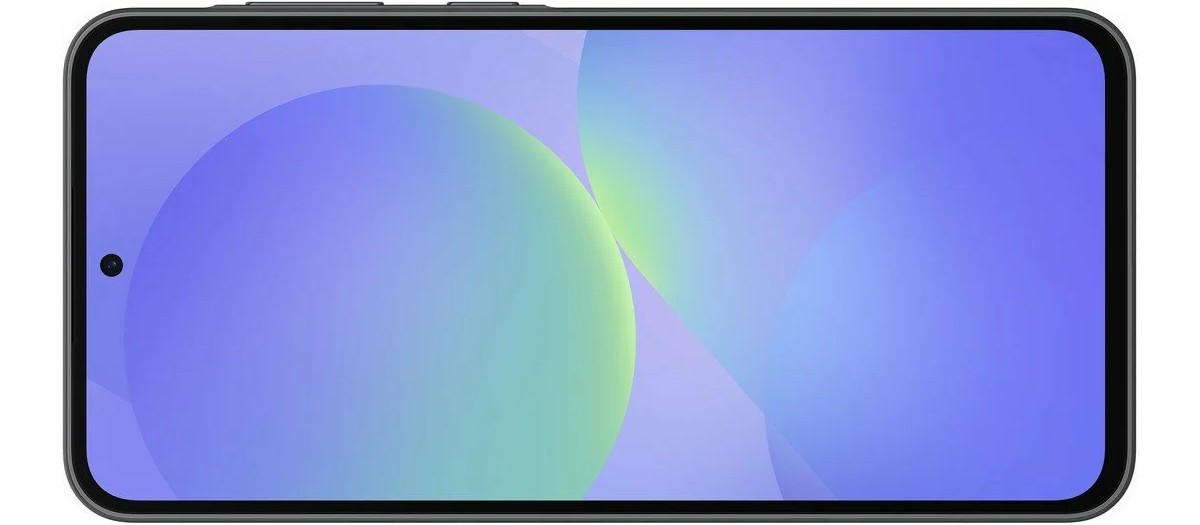
All three devices within this generation—A56, A36, and A26—sport a unified 6.7” Super AMOLED screen with a crisp 1080p+ resolution, a slight increase from the previous model. The display profile is further improved, achieving a peak brightness of 1,900 nits in high mode, ensuring visibility even under direct sunlight.
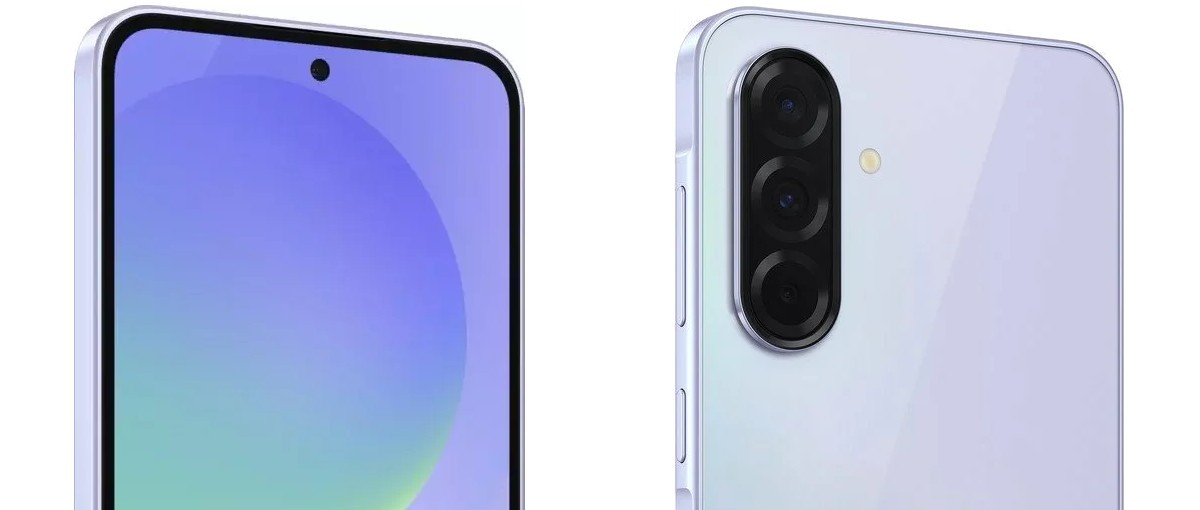
Both the front and back sides of the A36 feature protection from Gorilla Glass Victus+, while a polycarbonate frame reduces weight. Samsung has maintained an IP67 rating, granting the phone dust and water resistance for outdoor activities. The available color options include a mix of vibrant shades, each showcasing an eye-catching iridescent effect, except for the classic black variant.
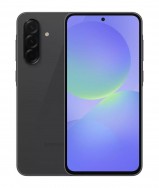
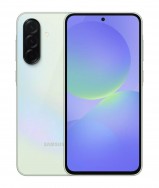
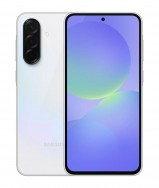
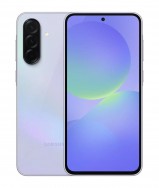 Color Options for the Samsung Galaxy A36: Black • Lime • White • Lavender
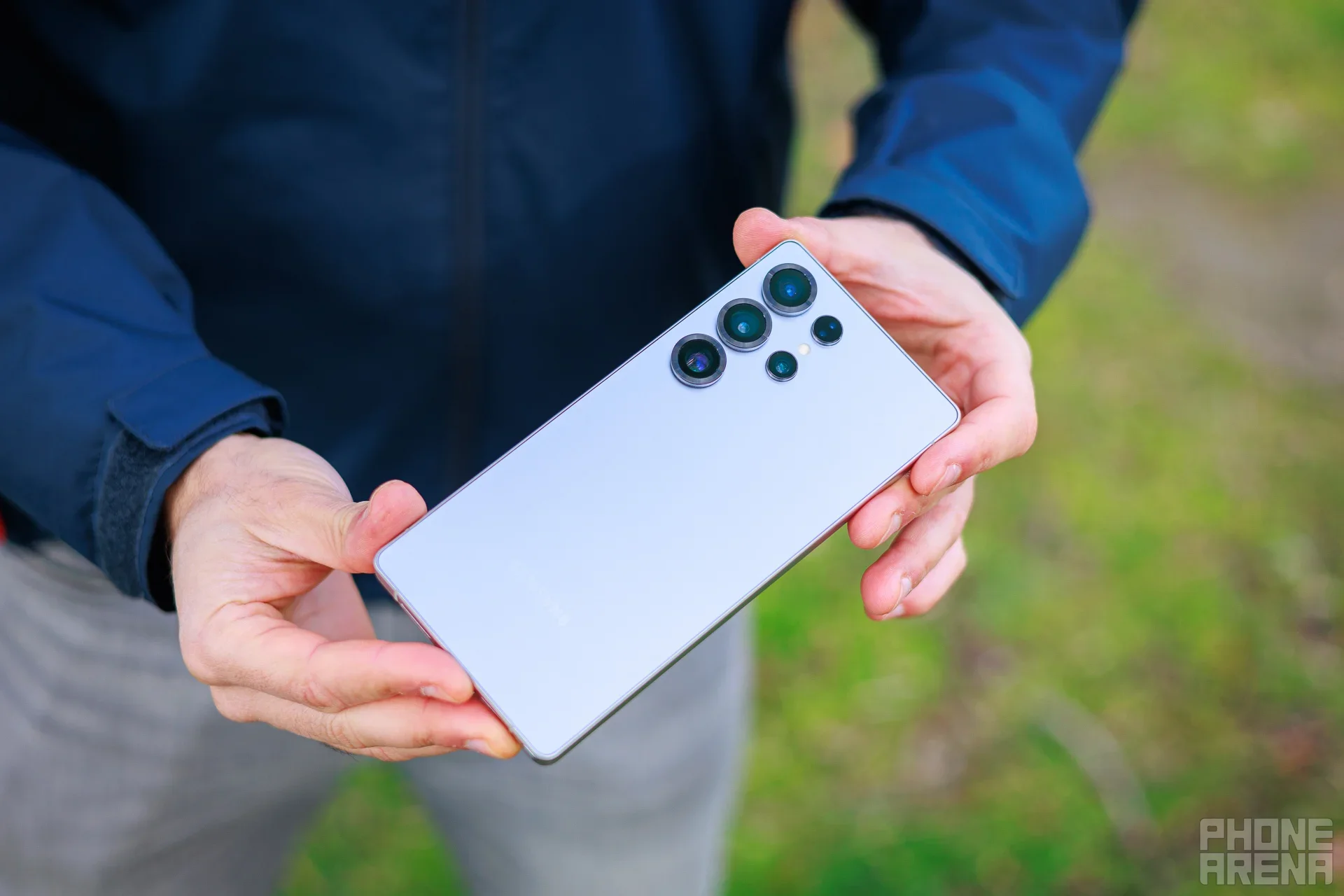
The rear camera system features a new design with a single camera island housing a 50MP main sensor (f/1.8 with OIS), an 8MP ultra-wide lens (f/2.2), and a 5MP macro lens (f/2.4). Notably, the A36 introduces an upgraded 12MP selfie camera and supports video HDR (10-bit up to 4K @ 30fps) for both rear and front lenses. Compared to the A56, the A36 has similar capabilities but lacks features like Low Noise mode present in its more expensive counterpart.
The Galaxy A36 retains a 5,000mAh battery but enhances charging speeds from 25W to 45W, drastically reducing charge time—66% in only 30 minutes and fully recharging in approximately 68 minutes. The device promises an impressive 29 hours of video playback on a single charge.
Launching with Android 15 and the latest One UI 7, the A36 ensures six years of security patches and a suite of AI features, including Circle to Search and Object Eraser for image editing. The Galaxy A36 is available at a starting price of $400/€380 for the 128GB model, with pricing varying based on region.
It’s worth noting that the Galaxy A56 will be available in the US, potentially impacting buyers considering the A36. For more information, refer to our dedicated A56 article covering its specifications and pricing.
Samsung Galaxy A26
On the affordable end, the Samsung Galaxy A26 serves as a refreshed version of last year’s A35, offering an excellent price-to-performance ratio and comparable features to the A36.
The A26 comes equipped with the Exynos 1380 processor, previously featured in the A35, though its CPU performance lags slightly behind the Snapdragon 6 Gen 3, noted to be 8% faster in benchmarks. The A26 does not benefit from the larger vapor chamber featured in the A36.
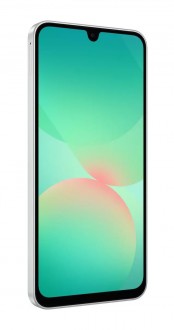
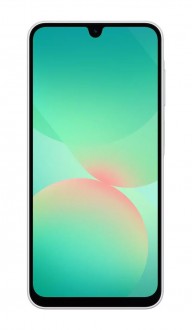
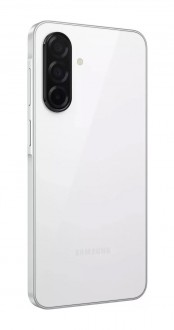
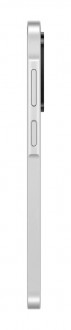 Color Options for the Samsung Galaxy A26
The A26 matches the memory configuration of the A36 with 6/8GB of RAM (region-dependent) and 128GB storage, along with an upgrade to 8/256GB. Additionally, this model offers a microSD slot, a feature not present in higher-tier A-series models. Users will also benefit from the same software support as the A36—6 OS updates and 6 years of security patches.
In terms of display, the A26 features the same 6.7” OLED 1080p+ screen, though with a notch for the selfie camera instead of a punch hole, and a side-mounted fingerprint scanner rather than under-display. Front camera specifications remain unchanged at 13MP, without support for video HDR.
The camera setup mirrors the A36 with a 50MP main camera (with OIS), an 8MP ultra-wide lens, and a more basic 2MP macro sensor. The phone's body has been slimmed down to 7.7mm from 8.3mm, although the weight has increased slightly to 200g. Importantly, the A26 also carries an IP67 rating for dust and water resistance similar to the A36 and A56.
With a 5,000mAh battery, the A26 maintains the same capacity as the higher models but retains the older 25W charging standard. Prices for the Samsung Galaxy A26 start at €300 for the 128GB variant, with the 256GB upgrade priced at €370/£300/$300, depending on the market.