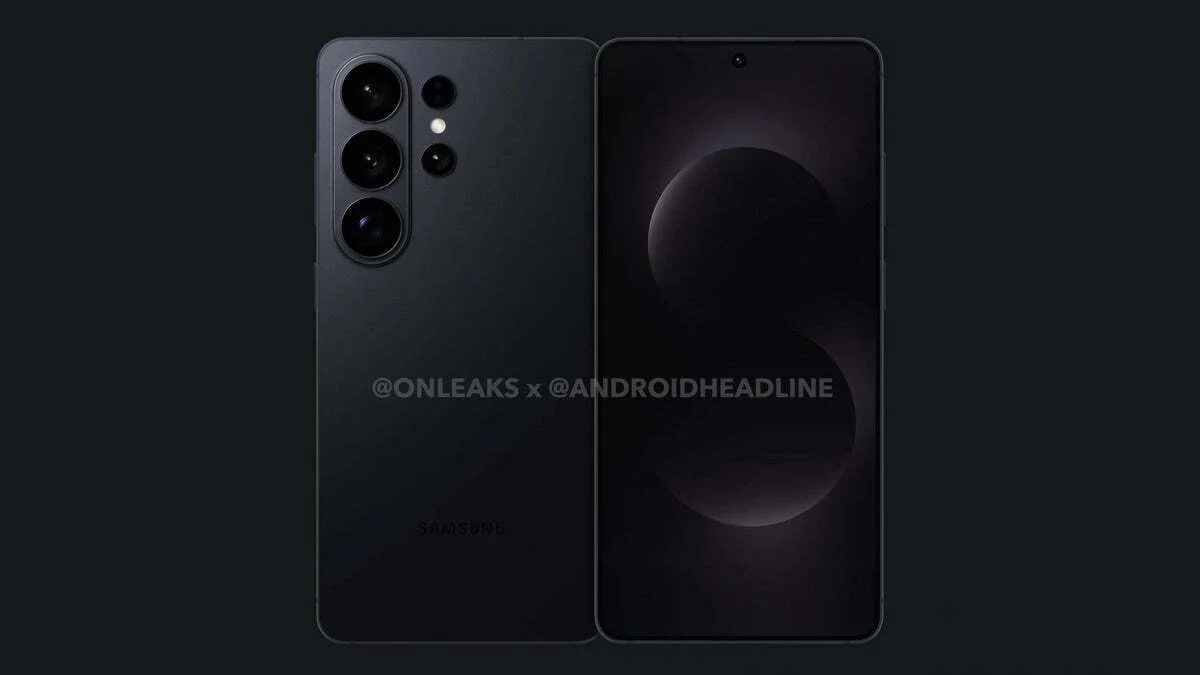
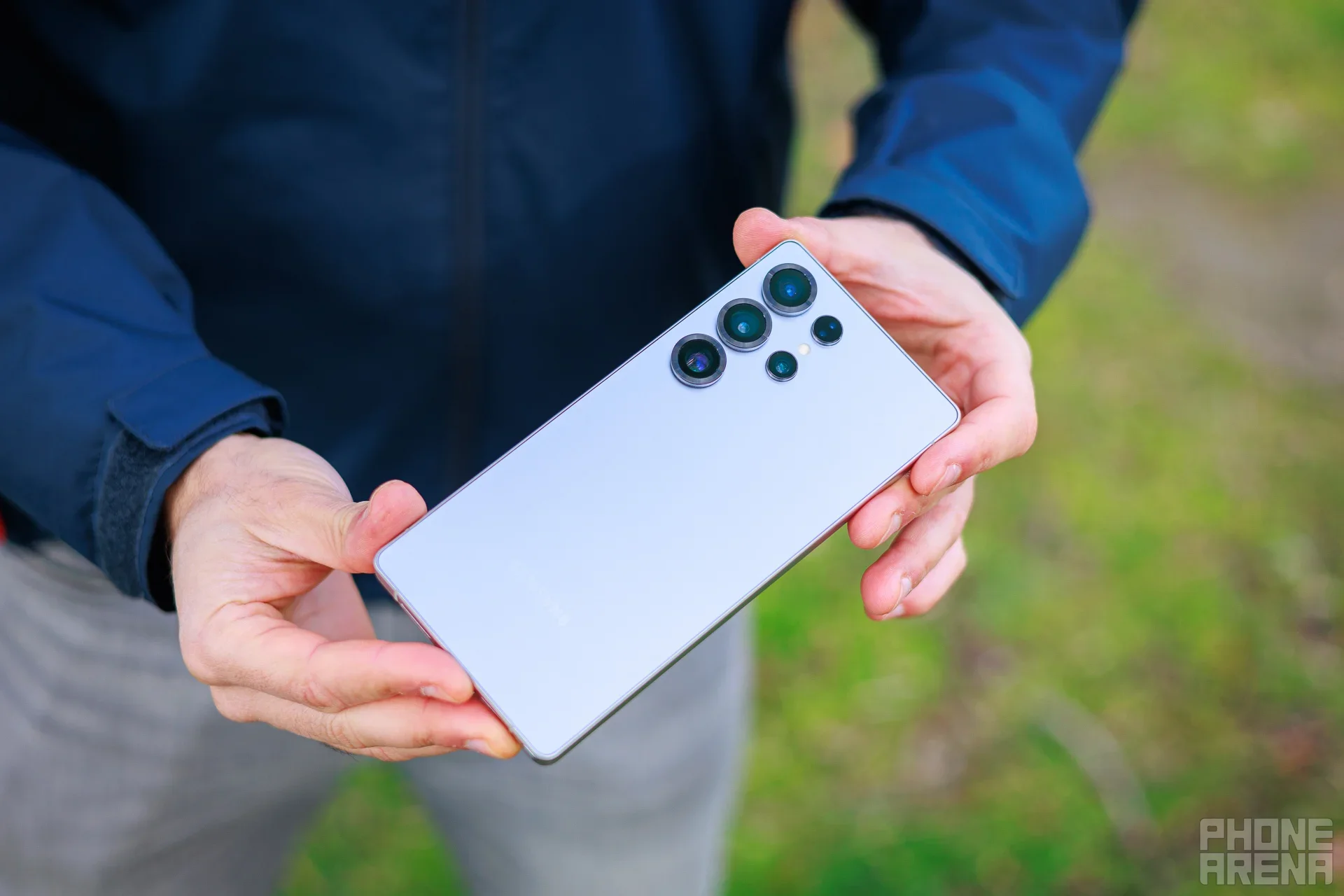
The world of smartphones is experiencing a transformation, particularly in the foldable segment, yet clamshell designs like the Galaxy Z Flip 7 seem to be lagging behind their book-style counterparts. With innovative tri-folds like Huawei's Mate XT Ultimate and rumors of Samsung's new phablets, one might ponder the future of the compact flip phone. Could the clamshell form factor find itself overshadowed by the evolution of folding technology? Today, we’ll dissect the current state of clamshell foldables, their stagnant design, and the potential changes we hope to see moving forward.
The emergence of clamshell foldables promises convenience and portability, appealing to users who prioritize compact devices over expansive screen real estate. As the top displays on these phones become more advanced and sizable, there’s a chance that many might prefer to keep their flip phones closed. However, even though a revival of flip phones akin to the iconic Motorola RAZR V3 is anticipated by some, the current landscape indicates that these devices are at risk of becoming outdated relics.
Clamshells, unlike their book-style counterparts, appear to be left in the dust when it comes to innovation. Devices like the Galaxy Z Flip 7 have seen little change regarding thickness, with leaks suggesting a stable 6.9 mm profile despite an increase in display size. Meanwhile, models like the Galaxy Z Fold 7 are expected to adopt sleeker designs, maintaining their status as cutting-edge products in the foldable market. This raises questions around clamshell designs as manufacturers continue to prioritize advancements in their larger foldable devices.
Stagnation in Clamshell Design
As discerning consumers examine their options, the clamshell foldable market faces mounting pressure. With competitors like the Oppo Find N and Huawei Pocket series, it’s evident that advancements are being made, yet the clamshell format risks falling behind. While the Flip 7 maintains its 6.9 mm thickness, competitors like the Oppo Find N3 Flip and Motorola Razr are pushing the envelope, showcasing that slimmer designs can exist in this form factor.
Time for Change?
The clamshell foldables urgently need a revolution; as consumer trust remains a barrier for many due to perceived fragility, it’s essential for manufacturers to address these concerns with improved durability and technological upgrades. Additionally, pricing strategies should be reevaluated, particularly if advancements in battery technology—think silicon-based solutions—can empower these devices to deliver better performance without compromising on slimness.
All signs point towards an interesting fork in the road for clamshell foldables. While the Galaxy Z Flip 7 and other similar devices have carved out a niche for themselves, a more concerted effort is necessary to prevent them from being eclipsed by their more innovative, book-style competitors. As the market gears up for 2025 and beyond, the real question remains: will the clamshell format rise to the occasion?