In a stunning twist, the new iPhone 16e is making waves thanks to its revolutionary C1 modem, challenging expectations as it matches the performance of the flagship iPhone 16 but with enhanced power efficiency. Apple has taken a significant step towards independence from Qualcomm by integrating its own advanced connectivity solution. While many anticipated performance drawbacks, early testing reveals that the iPhone 16e not only holds its own in terms of connectivity but excels in battery efficiency, promising users extended use without compromising on performance.
Pre-order the iPhone 16e at Apple for up to $630 off
In a subway journey test, all models from the iPhone 16 series yielded similar connection speeds, but the efficiency of the iPhone 16e stood out. The average power consumption on 5G was documented at 0.88 watts for the iPhone 16 compared to 0.67 watts with the iPhone 16e — a notable 24% improvement. Even during periods of low signal, the iPhone 16e demonstrated a 17% reduction in power draw.
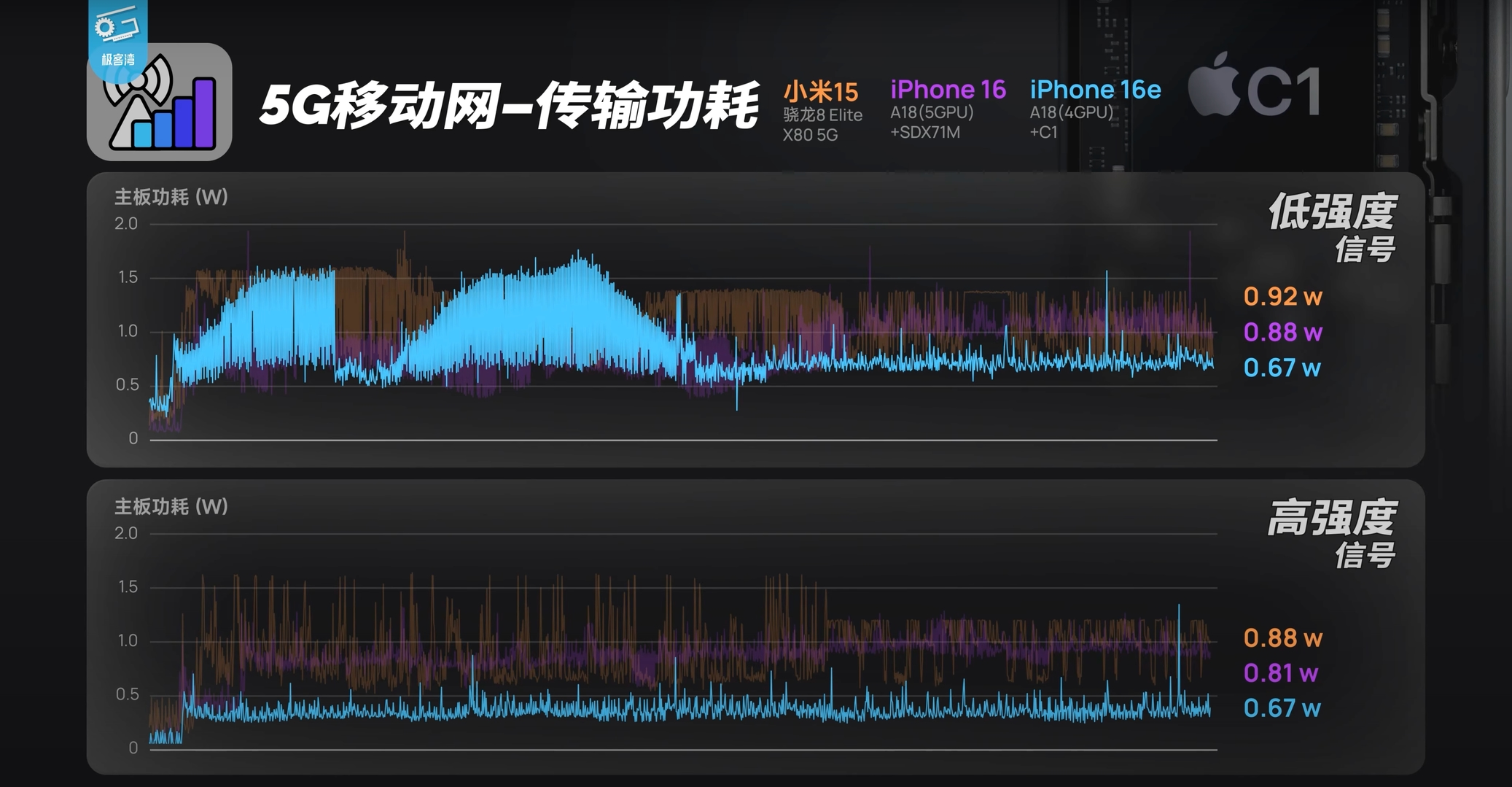
The iPhone 16e displayed impressive stamina, achieving 7 hours and 53 minutes during 5G video streaming tests, while the iPhone 16 managed 7 hours, and the iPhone 16 Pro reached only 6 hours and 54 minutes. Though it remains unclear whether the C1 modem is solely responsible for this battery life improvement, initial indications suggest that the iPhone 16e features a larger 3,961mAh battery, approximately 12% bigger than that of the iPhone 16 Pro battery.
The iPhone 16e is set for release tomorrow (February 28), positioning itself against competitors like the anticipated Pixel 9a and Galaxy A56 in the heated mid-range phone market.