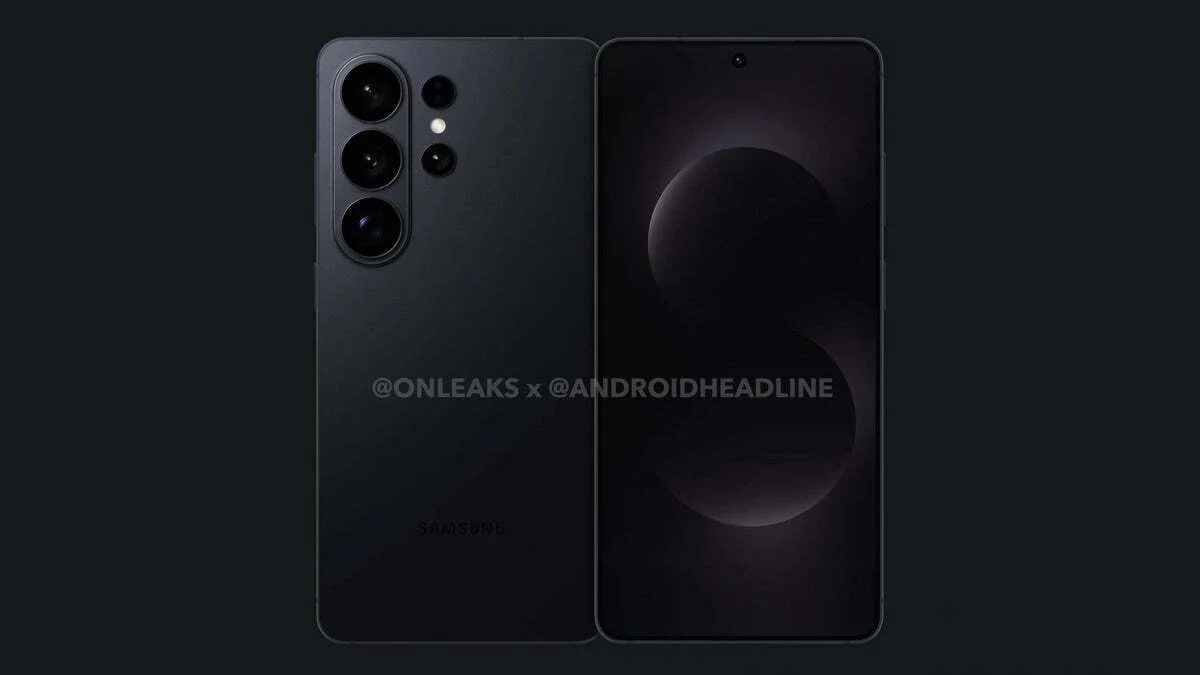
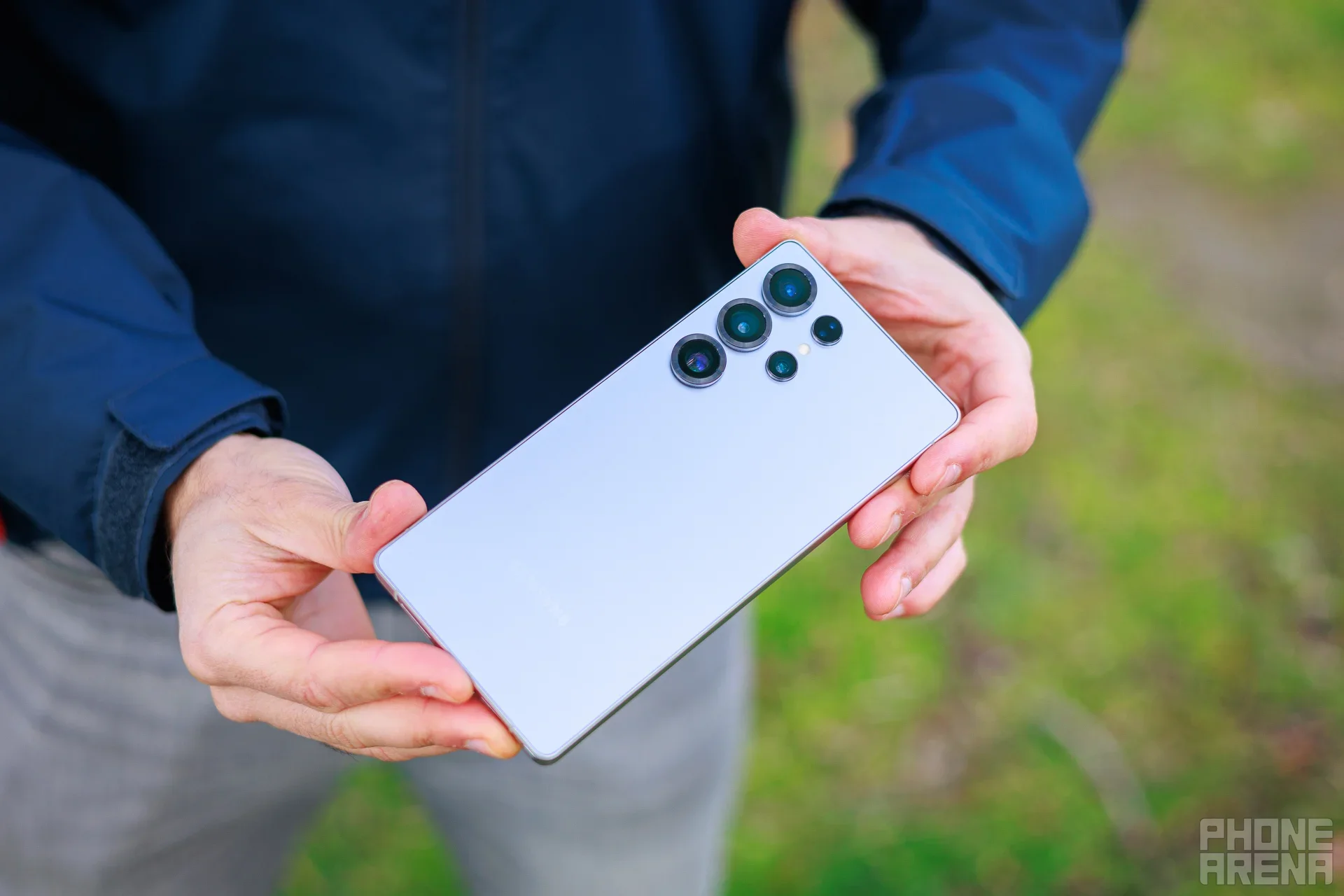
As the mid-range smartphone market continues to grow, two new contenders are set to make waves: the anticipated Galaxy A56 from Samsung and the impressive OnePlus 13R. The Galaxy A56, expected to cost around €479 in Europe, aims to deliver an exceptional value-for-money experience, following in the footsteps of its successful predecessors in the A5x series. On the other side of the spectrum, the OnePlus 13R, priced at a higher €749, promises to provide a near-flagship experience without the flagship price tag. This preliminary comparison will delve into the key differences and similarities between these two phones, assisting potential buyers in deciding whether the additional investment in the OnePlus 13R is worthwhile.
Save $100 on the OnePlus 13
$899
99
$999
99
$100 off (10%)
Take advantage of a $100 discount on the impressive OnePlus 13 by trading in your old device. The offer is applicable regardless of the old phone's condition, and you can also receive a complimentary magnetic case or a 50W magnetic charger, valued at up to $79.98.
This offer is not available in your area.
Get the OnePlus 13R for $100 off with a trade-in
$499
99
$599
99
$100 off (17%)
Trade in any phone, regardless of its condition, and get up to $100 off the OnePlus 13R. You'll also receive a complimentary magnetic case for the OnePlus 13R ($24.99 value).
This offer is not available in your area.
Key Differences Between Galaxy A56 and OnePlus 13R:
Galaxy A56
OnePlus 13R
Understated design with flat sides and rounded corners.
Bold appearance with a prominent circular camera module.
Approximately a 6.7-inch display with thicker bezels and more durable glass.
Slightly larger display with thinner bezels and superior resolution.
128 GB storage, mid-range processor, and 8 GB RAM.
256 GB storage, flagship processor, and 12 GB RAM.
Main, ultra-wide, and macro cameras.
Includes a 2x telephoto camera instead of a macro lens.
Fast 45W wired charging without wireless charging capabilities.
Faster 80W wired charging with charger included; lacks wireless charging as well.
Both the Galaxy A56 and the OnePlus 13R are projected to be sizable smartphones within the mid-range category. The OnePlus 13R measures 161.7 x 75.8 x 8 mm, and the A56 is expected to be similar in size.
The OnePlus 13R features a glass back and an aluminum frame, a combination we anticipate for the Galaxy A56. The Galaxy is likely to incorporate Gorilla Glass Victus for added durability, while the OnePlus 13R likely utilizes Gorilla Glass 7i.
In terms of aesthetics, personal preference will determine which design appeals more. The A56 is rumored to transition to a vertically elongated camera bar for its three-camera setup, while the OnePlus retains a circular camera module resembling designs from various Chinese manufacturers.
Unboxing also highlights a significant difference: the OnePlus 13R includes an 80W charger, while Samsung's recent trend of not including chargers continues, raising doubts about the inclusion of fast charging capabilities for the A56.
Display Differences
Samsung is renowned for its display technology, particularly in high-end models. The A5x series has consistently offered excellent image quality and strong refresh rates but lacks in brightness.
On the contrary, the OnePlus 13R boasts a stunning display, featuring higher resolution and better brightness levels, an area where Samsung could stand to improve with the upcoming A56. Moreover, reducing bezel size could enhance the A56's display aesthetics to match the already trim bezels of the OnePlus 13R.
Performance and Software
Investing more gets you more power
In smartphone manufacturing, the chipset significantly impacts pricing, so lower-cost devices often come with less powerful chips. The OnePlus 13R continues this trend by offering exceptional performance courtesy of the Snapdragon 8 Gen 3.
In stark contrast, the Galaxy A56 is expected to sport Samsung's latest mid-range chip, the Exynos 1580, which will deliver varying performance based on expectations set by previous models. The A56 will likely lag behind flagship Qualcomm chips, making the 13R a more powerful choice for demanding users.
Furthermore, the OnePlus 13R has 12 GB of RAM for a smoother multitasking experience compared to the 8 GB anticipated for the A56. Oxygen OS also integrates Parallel Processing to enhance user fluidity, negating animation delays.
Samsung, however, offers an edge in software support, with the A56 rumored to receive six years of OS updates compared to the 13R's four, indicating a longer shelf life for the A56.
Camera
Room for improvement for Samsung
The OnePlus 13R's camera system is expected to provide superior performance, having replaced the macro camera with a versatile 2x telephoto, resulting in better zoom quality. Its main camera is one of the best available in this price range.
Unfortunately, it appears that the Galaxy A56 will retain its macro camera rather than adopting a telephoto option, limiting its versatility compared to the 13R. While the 12 MP ultra-wide of the A56 holds its own against the 8 MP of the 13R, the main camera requires an upgrade to keep up with the competition.
Interestingly, the A56's front camera is rumored to be improved with a new 12 MP lens compared to the 32 MP from its predecessor, which may outperform the 13R's front camera based on past testing outcomes.
As for video recording, last year’s Samsung mid-ranger has shown remarkable capabilities, particularly with its ultra-wide shots. Without significant hardware changes, the versatility of the 13R still keeps it competitive in this aspect.
Battery Life and Charging
Significant advancements for Samsung, but still not enough
The OnePlus 13R includes a robust 6,000 mAh silicon-carbon battery, achieving approximately 7 hours and 22 minutes of battery life in tests.
The Galaxy A56 is expected to stick with the 5,000 mAh battery from the A55, which yielded around 6 hours and 36 minutes in tests. However, the new chip might enhance power efficiency, narrowing the gap with the OnePlus 13R.
In terms of charging efficiency, the Galaxy A56 is poised to introduce 45W fast charging, catching up to the upper echelon of Samsung's line-up. Yet, it will still trail behind the 80W charging capability of the OnePlus 13R, which also comes with the charger included.
Specs Comparison
Here’s a quick overview of both smartphones’ specifications, and further details can be found on our Galaxy A56 vs OnePlus 13R specs page.
Galaxy A56
OnePlus 13R
Size, weight
Size, weight
Screen
Screen
Processor
Processor
Versions:
Versions:
Cameras:
Cameras:
Battery:
Battery:
Charging:
Charging:
The OnePlus 13R clearly demonstrates superior specifications: its powerful chipset, versatile telephoto camera, and rapid charging capabilities elevate it above the A56 in many areas, although it does come at a higher price of €749 compared to the expected €479 for the A56.
Summary
Samsung appears to be on the right track with the Galaxy A56, particularly with its rapid 45W charging (if confirmed). It promises to be a capable all-round smartphone appealing to a broad audience, maintaining a solid balance of essential features at an attractive price point.
Conversely, the OnePlus 13R is priced higher but includes substantial upgrades that could justify the cost, offering enhanced performance and features that could lead to greater user satisfaction. Ultimately, the choice between the two will hinge on individual needs and budget considerations, with the 13R likely to be the more appealing option for power users willing to invest a bit more for a superior experience.