*Image credit — Fpt.
The recent unveiling of the iPhone 16e may not have met the expectations of many Apple enthusiasts, but it has made a significant mark by showcasing the company’s newly developed C1 cellular modem. According to industry analyst Ming-chi Kuo, the upcoming iPhone 17 Air will also utilize the C1 modem, while the primary lineup of the iPhone 17 will continue to rely on Qualcomm’s modems. Apple’s move towards developing its own modem chip aims to reduce dependency on Qualcomm, yet the decision to exclude the C1 modem from the iPhone 17 series raises questions about Apple’s confidence in its technology.
The iPhone 16e serves as a testing ground for the C1 modem without jeopardizing the flagship models, and upcoming comparison tests will further evaluate its performance. The absence of the modem from the iPhone 16 lineup may provide early insights into its capabilities.
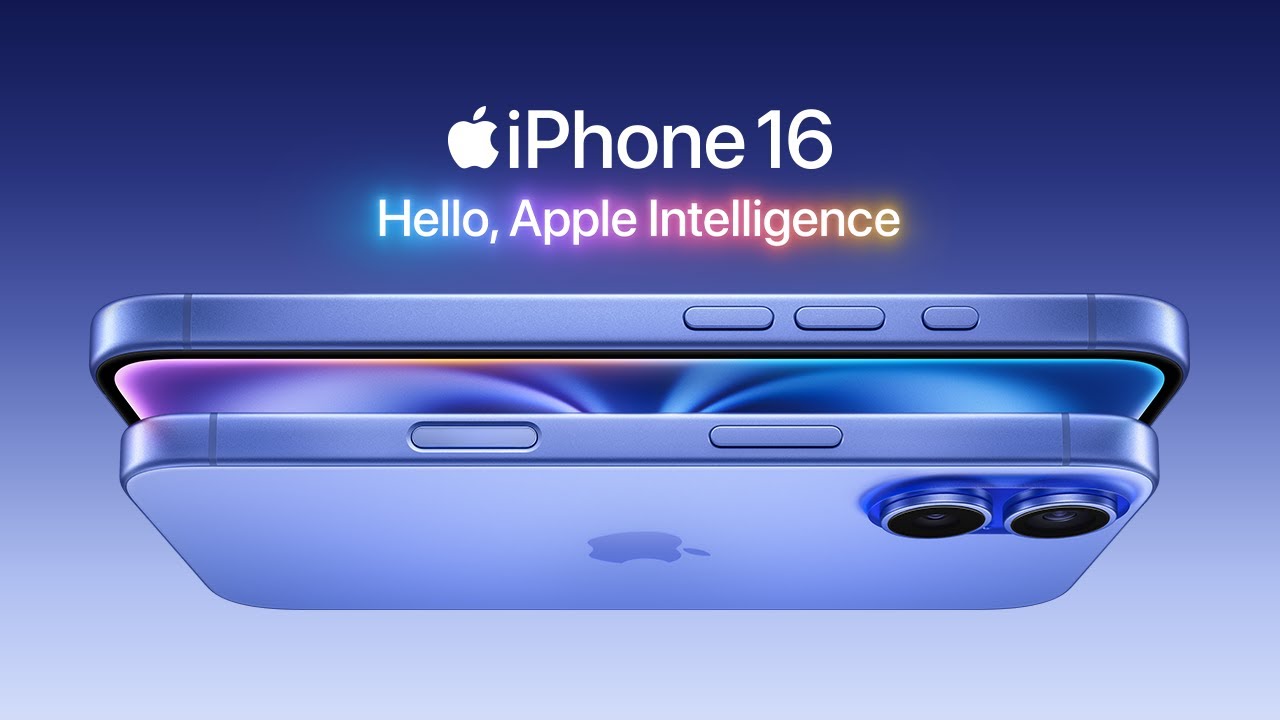
The iPhone 16 is a mild upgrade over the iPhone 15. | Video credit — Apple
The iPhone 17 Air is poised to create interesting dynamics within the lineup, as it is expected to focus more on being lightweight rather than powerful. This model may share characteristics with a potential iPhone 17e, featuring less advanced camera technology, an older processor, and a smaller battery. The iPhone 17 Air represents a strategic approach by Apple to cater to consumers seeking a more affordable, streamlined device.