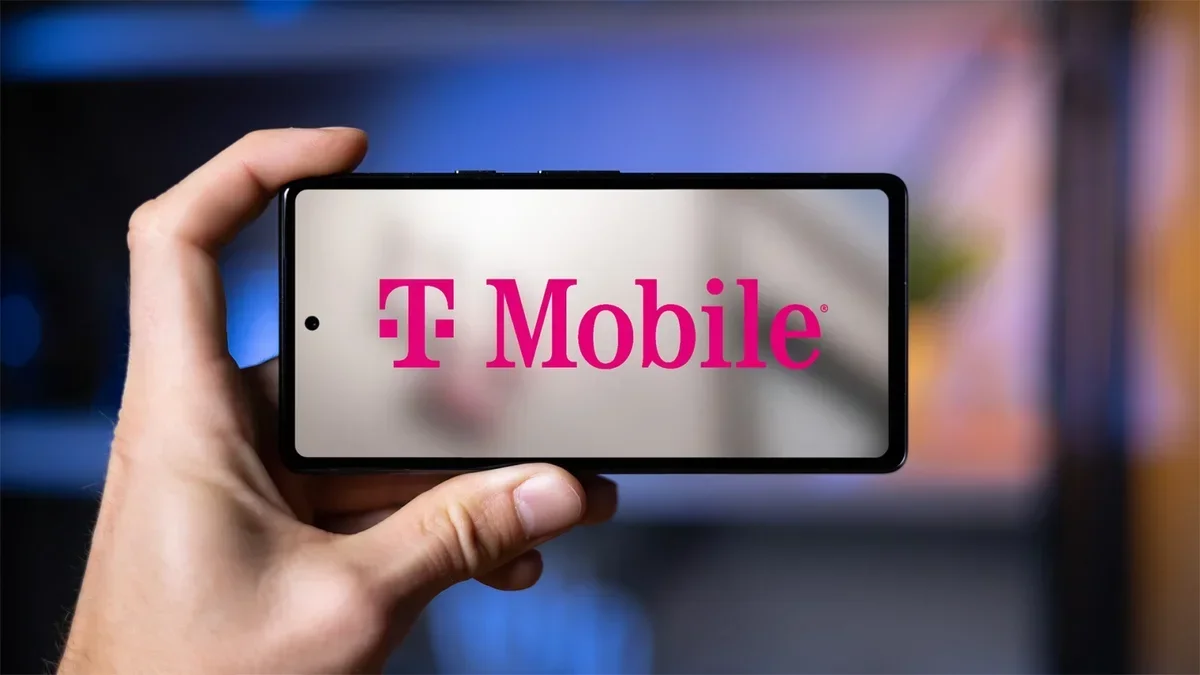
In a groundbreaking announcement during the Super Bowl, T-Mobile revealed that its Starlink service, developed in collaboration with SpaceX, is now accessible to everyone in the United States. This innovative service aims to bridge the connectivity gap for over 500,000 square miles currently lacking cell coverage.
T-Mobile Starlink utilizes SpaceX’s satellite technology, allowing users to connect with satellites directly through their existing phones—no need for specialized equipment. As soon as users are signed up for the beta, their devices will automatically connect to a satellite when traditional cell coverage is unavailable.
Once connected, users can send and receive text messages, including group texts and reactions, although data services and voice calls will be added in the future. For those interested, the sign-up process is straightforward, and both T-Mobile and non-T-Mobile customers (including AT&T and Verizon users) can register to join the beta.
Those who are accepted into the program will enjoy free service until July. After the trial period, T-Mobile customers on a Go5G Next plan can continue using Starlink at no extra charge. Other T-Mobile users will have the option to add the service for $15 per month, with a promotional rate of $10 for those who sign up in March. Meanwhile, AT&T and Verizon customers will have access to Starlink for $20 monthly once the trial concludes.
T-Mobile Starlink will also disseminate Wireless Emergency Alerts (WEA), ensuring vital updates reach users outside conventional cell coverage—a potentially lifesaving feature for outdoor enthusiasts. T-Mobile has notably focused on providing connectivity for first responders and emergency situations, previously enabling Starlink to help during emergencies like Hurricanes Helene and Milton, and the Los Angeles wildfires.
According to Mike Sievert, T-Mobile's President and CEO, “T-Mobile Starlink is the first and only space-based mobile network in the US that automatically connects to your phone so you can be connected even where no cellular network reaches. It’s a massive technical achievement and an absolute game changer for ALL wireless users.”
Additionally, T-Mobile aims to attract AT&T and Verizon customers by providing them an opportunity to test this new satellite technology. Competing satellite solutions are also emerging, such as AST SpaceMobile partnering with AT&T and Verizon, which recently showcased the first video call via satellite on a standard smartphone. Other competitors are also on the horizon, including Amazon’s Project Kuiper.