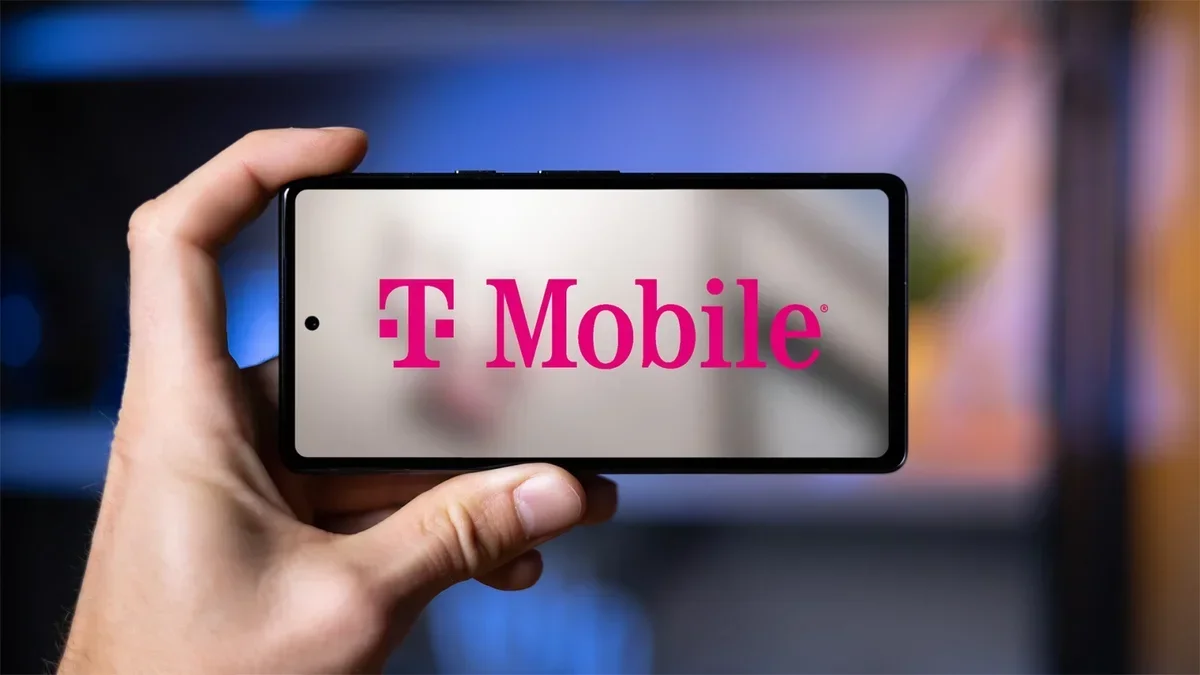
T-Mobile may soon find itself embroiled in competition with its partner, SpaceX, over critical wireless spectrum. As the race for 5G continues to heat up, the stakes are high for T-Mobile, AT&T, and Verizon, who collectively spent a staggering $80 billion on spectrum acquisitions. Recently, SpaceX has shown keen interest in the C band, specifically the 3.7–4.2 GHz range, which is being evaluated by the FCC for both terrestrial and satellite operators.
Industry analysts note that the C band is increasingly valuable due to its desirable coverage, capacity, and propagation characteristics. However, this band might not be optimal for SpaceX's current offerings, such as Starlink broadband, which typically utilizes higher frequency bands. According to industry experts, acquiring this spectrum could represent a strategic move for SpaceX, influencing their leverage over other wireless companies.
As the dynamics between T-Mobile and SpaceX evolve, questions arise about potential collaborations or conflicts between the two companies. Elon Musk's influence within the political realm adds another layer of complexity to the situation. The following analysis will delve into the implications of this spectrum battle and its impact on the telecommunications landscape.
In a recent filing, SpaceX argued for the modernization of the upper C-band to maximize its potential use. This contention, along with the ongoing discussions at the FCC, creates an atmosphere of uncertainty for T-Mobile, AT&T, and Verizon. Will cooperation give way to competition as each entity seeks to secure its place in the fast-evolving market?