AT&T and Verizon customers may soon enjoy connectivity in areas previously deemed dead zones, a feature that has long been a selling point for T-Mobile users. This shift is made possible as the Federal Communications Commission (FCC) has granted satellite provider AST SpaceMobile the go-ahead to test its technology. The FCC's approval allows AST SpaceMobile to collaborate with AT&T and Verizon in the United States, marking a significant step in satellite connectivity. AST SpaceMobile, a Texas-based startup focused on space-based cellular solutions, successfully launched its first five BlueBird satellites in September.
Chris Ivory, Chief Commercial Officer at AST SpaceMobile, stated in January 2025, "Alongside integration efforts with partner networks, we are installing five gateways in the United States and are now accelerating our path to commercial activity, starting with testing service with off-the-shelf cellular handsets on AT&T and Verizon networks."
As part of this initiative, AT&T and Verizon will utilize their 850MHz low-band spectrum to ensure voice, data, and video applications function on unmodified smartphones. This collaboration between AST SpaceMobile, AT&T, and Verizon aims to keep phones connected even in locations devoid of terrestrial coverage. However, it may take several months before the service is officially launched, with beta testing likely still some time away due to necessary regulatory approvals. AST SpaceMobile has noted that approximately 45 to 60 satellites are needed for continuous service, and they are still working towards this goal.
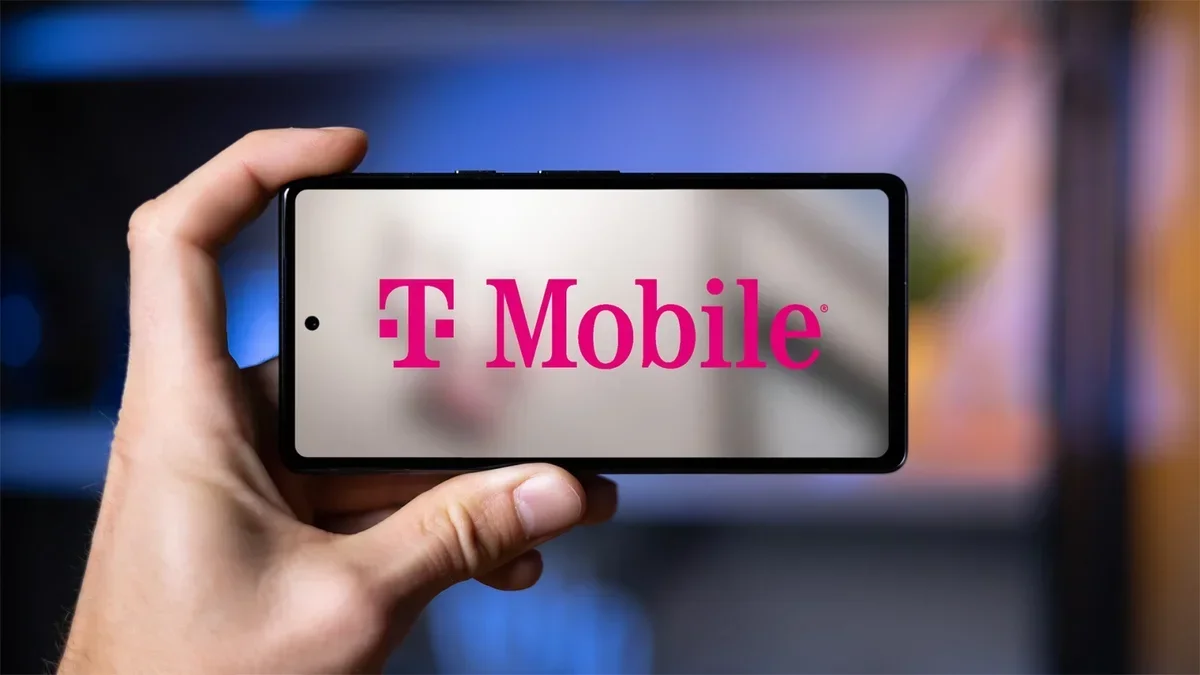
Meanwhile, T-Mobile and SpaceX have already received similar approvals, with their beta program recently commencing. While T-Mobile users have reported some gaps in service, when operational, it performs effectively. Although AT&T and Verizon have not disclosed a timeline for their satellite service roll-out, other AST SpaceMobile partners, such as the UK's Vodafone, have already demonstrated the technology by conducting video calls using BlueBird satellites. Additionally, commercial direct-to-smartphone broadband satellite service is anticipated from late 2025 to 2026.