The much-anticipated durability test of the Samsung Galaxy S25 Ultra has sparked discussions among tech enthusiasts, particularly regarding its scratch resistance. Although the new flagship smartphone exhibits lower scratch resistance than its predecessor, the Galaxy S24 Ultra, experts suggest this might be a strategic choice by Samsung to enhance overall durability. In this article, we delve into the implications of this trade-off and what it means for users.
The durability test assesses how well a phone's screen withstands scratches at varying levels of sharpness. Traditionally, high-end smartphones start showing signs of scratching at level six and become significantly affected at level seven. Unlike the Galaxy S24 Ultra, which showed improvement, the Galaxy S25 Ultra appears to have reverted to previous standards, leading to disappointment among fans who anticipated better protection.
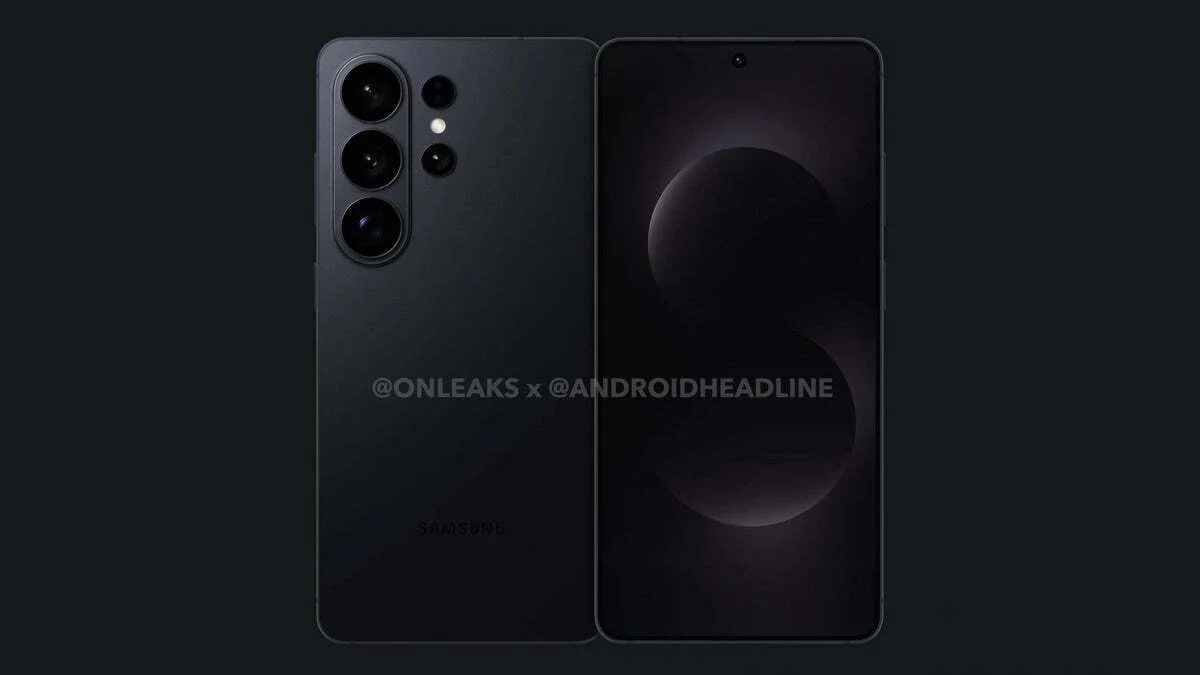
Galaxy S25 Ultra maintains several specifications from its predecessor. | Image credit — Samsung
However, the reasons behind this design choice may be rooted in fragility concerns. A glass panel with superior scratch resistance tends to be harder, making it more vulnerable to shattering upon impact. In contrast, a slightly less scratch-resistant glass could provide a softer surface that is less prone to breaking upon drops.
This decision may reflect Samsung's findings, which likely indicated that users drop their phones more frequently than they encounter scratches. The prevalence of screen protectors could also mitigate concerns over scratches, suggesting that the chances of scratching the S25 Ultra's display are minimal in everyday scenarios.
If you're considering upgrading to the S25 Ultra, be mindful that while the protection may not be as impressive as previous models, Samsung has focused on enhancing AI capabilities this year rather than significant hardware upgrades.