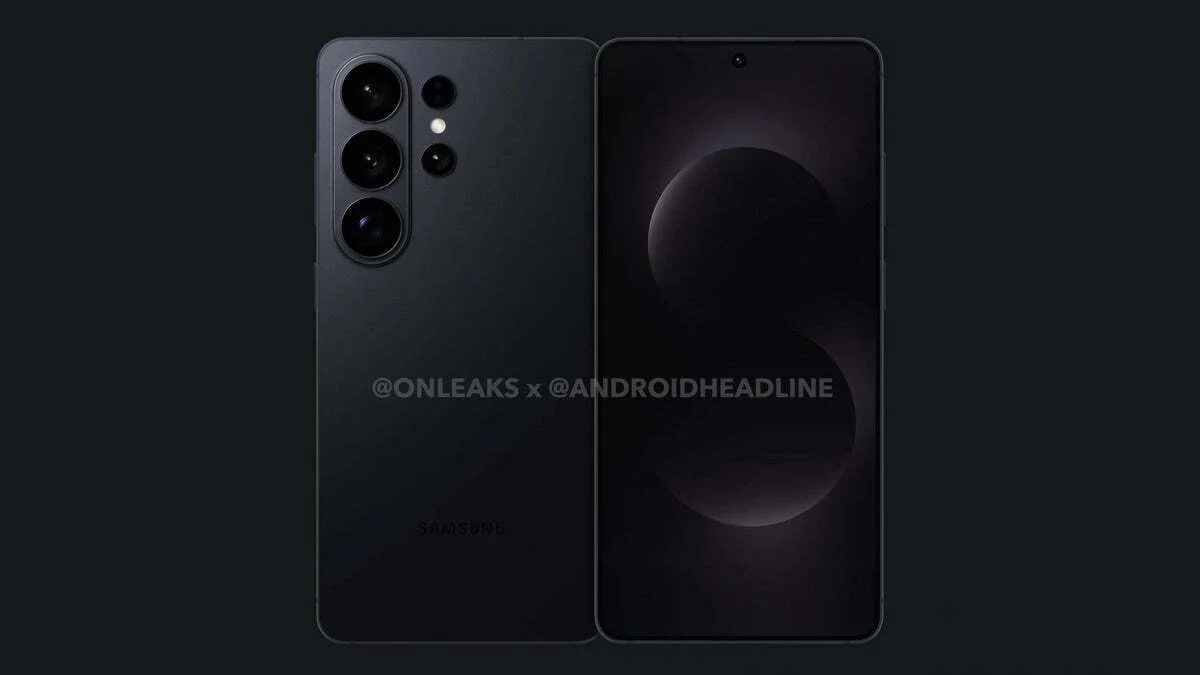
This image illustrates a concept design for the upcoming Pixel 9a mid-range smartphone. Image credit-OnLeaks
As we look ahead, the mid-range Pixel 10a is more than a year from launch. The Pixel 9a is anticipated to debut in the upcoming spring, followed by the highly awaited Pixel 10 set for an August release. This year marks a significant milestone for Google, celebrating a decade of Pixel devices, alongside the introduction of the new Tensor G5 processor—Google's first homegrown application processor (AP) crafted entirely from the ground up, promising developers the opportunity to leverage unique features exclusive to the Pixel 10 lineup. Notably, this processor will be the first 3nm chip integrated into a Pixel phone and will switch production from Samsung Foundry to TSMC.
Internally codenamed "stallion" or "STA5," the Pixel 10a's fate remains uncertain as Google deliberates between equipping it with the custom Tensor G5 or reverting to the Tensor G4—designed and manufactured by Samsung Foundry for one last hurrah. If Google opts for the Tensor G4, we advise potential buyers to wait another year instead of purchasing the Pixel 10a. The G4 operates on a 4nm node and may not meet the performance expectations associated with newer models.
Beyond the Pixel 10a, Google is also in the early stages of developing the Pixel 11 lineup, as revealed by recently leaked documents. These documents indicate a continuation of animal-themed codenames for Google's flagship phones in 2026:
- Pixel 11 - cubs or 4CS4
- Pixel 11 Pro - grizzly or CGY4
- Pixel 11 Pro XL - kodiak or PKK4
- Pixel 11 Pro Fold - yogi or 9YI4
One driving factor behind the potential decision to stick with Tensor G4 for the Pixel 10a is the larger size of the new Tensor G5 processor, which measures 121 square millimeters—exceeding that of its competitors like the A18 Pro. This increase could elevate the production costs for what is intended to be a budget-friendly device. Conversely, the Tensor G5 is set to introduce a variety of custom features that consumers have come to expect from the Pixel series, which may not be available with the older G4 model, creating pressure for Google to opt for the more advanced chipset.
For now, we can expect the following processors to be utilized for the upcoming Pixel devices:
- Pixel 9a - Tensor G4 (4nm, Samsung Foundry)
- Pixel 10, Pixel 10 Pro, Pixel 10 Pro XL, Pixel 10 Pro Fold - Tensor G5 (3nm, TSMC)
- Pixel 10a - Tensor G5 or Tensor G4
- Pixel 11, Pixel 11 Pro, Pixel 11 Pro XL, Pixel 11 Pro Fold - Tensor G6 (2nm, TSMC).
Recent discussions have hinted that the Tensor G6 may be produced by TSMC utilizing its cutting-edge 2nm technology.