Huawei's resurgence in the global smartphone market is nothing short of impressive. Once a top contender challenging industry giants like Samsung and Apple, Huawei's journey took a devastating turn in 2019 when the U.S. government listed the company as a national security threat. This decision cut Huawei off from critical U.S. technologies and services, including Google's ecosystem, forcing the company to adapt in innovative ways.
To overcome these restrictions, Huawei embarked on a significant challenge: developing its own operating system. The result was HarmonyOS Next, an operating system independent of Android, built to support a range of native applications within Huawei's ecosystem. This bold move reflects Huawei's commitment to maintain relevance in an evolving technological landscape.
The Impact of U.S. Restrictions
In a further blow to Huawei, the U.S. Commerce Department imposed additional restrictions in 2020, prohibiting the shipment of cutting-edge 5G chips to the company. Lacking access to Android, Google services, and high-performance chipsets, Huawei faced a significant downturn, relying on 4G application processors for its flagship models like the P50, Mate 50, and P60.
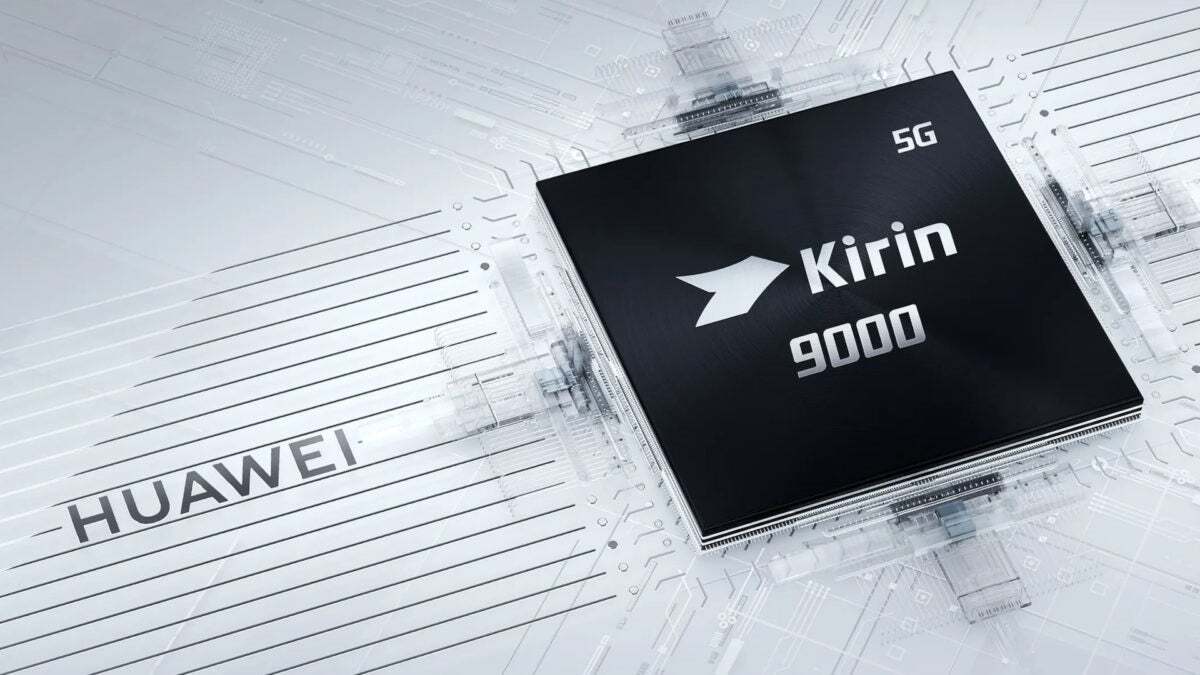
The Kirin 9000 is an application processor designed by Huawei and built by TSMC back in 2020 for the Mate 40 series. | Image credit-Huawei
However, a turning point came in August 2023 with the launch of the Mate 60 line, marking Huawei's first use of its in-house Kirin 9000s chipset since the Mate 40 series. Developed by SMIC, China's largest foundry, this 7nm chip brought 5G support back to Huawei devices, triggering a wave of national pride in China, despite the chipset lagging behind competitors' technology.
Huawei is now well-positioned as the leading manufacturer of premium smartphones in China and is poised to expand its presence globally. Despite ongoing limitations imposed by the U.S. entity list, Huawei has made significant strides with its app ecosystem, providing enough alternatives to Google's Play Store to stay competitive.
The Path Forward Despite Challenges
Reports indicate Huawei's ambitions to penetrate 60 international markets, showcasing innovations like the Mate X6 in regions such as Dubai, Kuala Lumpur, and Hong Kong. Yet, the company's inability to access advanced 3nm chips remains a pivotal challenge. SMIC, while a top foundry, lacks the necessary extreme ultraviolet (EUV) lithography machines to produce these advanced chips, leaving Huawei at a technological disadvantage.
Despite this obstacle, Huawei is determined to innovate within its existing mobile ecosystem, exploring expansion opportunities in markets that are more welcoming. While U.S. carriers may not welcome Huawei back, the company’s sights are set on growth outside the constraints of prior restrictions.