Telecommunication providers have pioneered a technology known as 5G slicing, enabling them to curate and regulate multiple, tailored segments within a unified 5G network. To visualize this, think of a singular 5G network as an expansive highway, with various distinct lanes representing individual network slices, each fine-tuned for specific requirements.
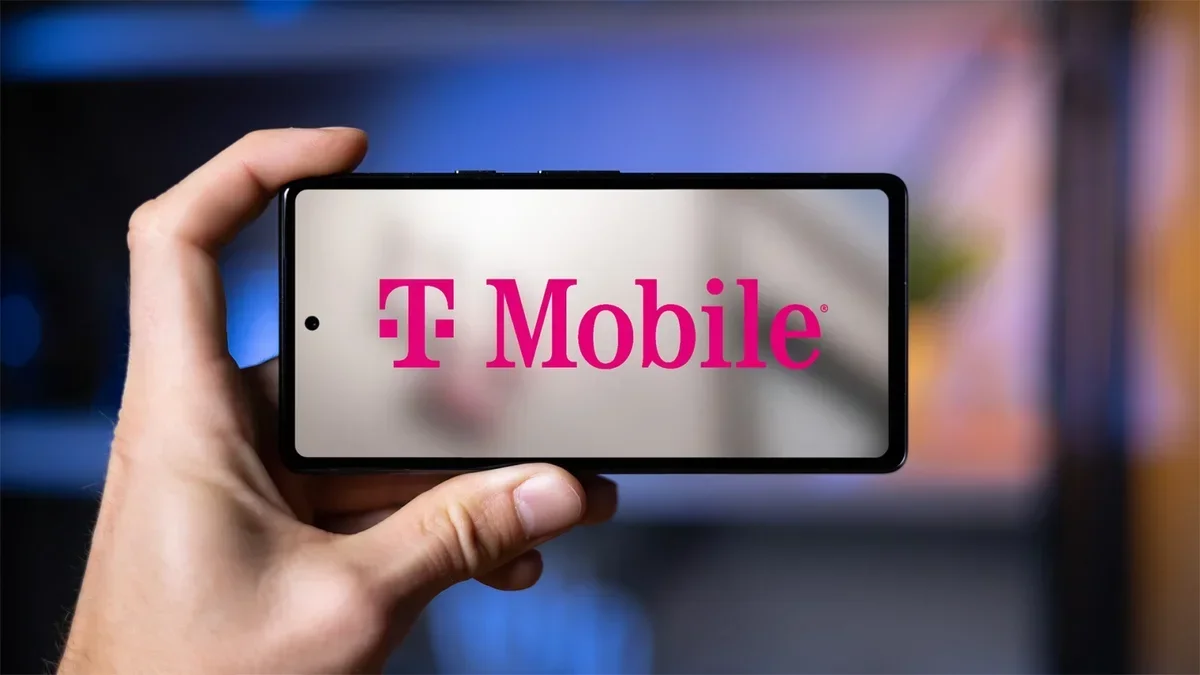
Last year, T-Mobile launched T-Priority, a service devoted to enhancing public safety, which initially premiered in New York City. This innovative program is presently employed by 350 members of the Los Angeles Fire Department (LAFD), with T-Mobile offering the service free of charge for at least the initial 30 days.
T-Priority allocates a dedicated slice of T-Mobile's cutting-edge 5G Standalone (SA) network. Unlike non-SA networks which were initially designed for 4G and merely integrated 5G radio access, the 5G SA network is constructed from the ground up specifically for 5G functionality. This results in superior speed, reduced latency, and enhanced efficiency and reliability. Currently, T-Mobile and Dish Network are the only carriers in the U.S. that provide a nationwide 5G SA network.
"We’ve been receiving a lot of requests for Wi-Fi routers, hot spots, and devices on our network because our network speeds and the availability of our network have been strong for first responders here." - Nicole Hudnet, industry segment advisor for T-Mobile’s Emergency Response Team
The T-Priority network slice grants first responders increased network capacity, top-priority access, and expedient 5G speeds. This initiative is part of T-Mobile’s extensive efforts in L.A., where the company has deployed its engineering emergency response team to facilitate communication among first responders, particularly amid the wildfire emergency.
"I think the T-Priority's value proposition is quite compelling both from coverage and reliability point of view. SA and 2.5GHz give them a natural advantage in terms of reach and cost. So, I think they have a pretty competitive offering in the market." - Chetan Sharma, Industry Analyst
T-Mobile is also armed with an array of advanced technologies such as artificial intelligence, software-defined networking, and network self-optimization. The integration of AI enables real-time adjustments to network configurations based on fluctuating demands, while automated systems help in identifying and rectifying network bottlenecks. During wildfire incidents, T-Mobile executed 9,000 remote adjustments to its network, according to Stacy Tindell, senior director of Network Engineering and Operations at T-Mobile.
Despite holding the smallest share of the first responder market, T-Mobile's advancements with 5G-powered T-Priority and network slicing are aiding the carrier in strengthening its presence in the field. Notably, while Verizon has indicated that its 5G SA network is currently allocated for commercial use in L.A., it has yet to disclose its application among public safety agencies.