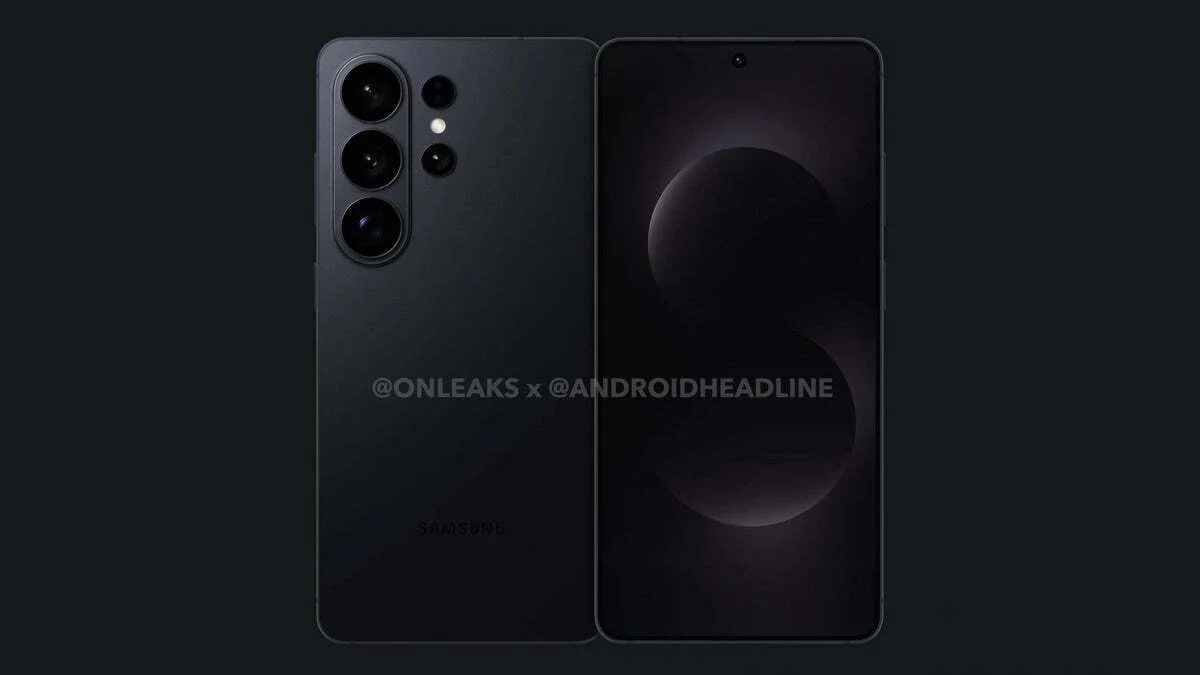
foldable phone creases and watch as Apple prepares to unveil its first foldable phone next year. Recent reports from sources in the supply chain reveal that Apple is evaluating various technologies for its foldable device, including potential suppliers for display covers and hinges. A significant point of interest is Apple's desire for an ultrathin glass (UTG) layer over the inner display, which would be strategically thinner at the crease.
This design choice is critical; it aims to enhance the overall durability of the foldable iPhone by ensuring the rest of the UTG cover layer remains thicker. Currently, Samsung's Galaxy Z Fold and Flip series utilize a uniformly thick UTG cover glass. However, Samsung is closely monitoring Apple's advancements in achieving a foldable display with a minimal crease and is contemplating incorporating similar technology in its future devices. Should Apple successfully implement this technology by year's end, Samsung intends to integrate it into upcoming models like the Z Flip 8 or Z Fold 8, keeping pace with its rival's innovations.
Apple faces considerable challenges in its pursuit of a foldable display with an ultrathin cover glass that is uniformly smooth when opened. The company is reportedly insisting that suppliers include a filler beneath the glass at the crease, ensuring the display appears nearly flat when in use. This added material must also possess optical qualities to guarantee consistent color and brightness across the screen. Achieving this balance presents substantial manufacturing difficulties, but Apple's significant influence often compels suppliers to rise to the occasion, particularly when new technology is at stake.
Apple's Strategy Inspired Samsung to Reassess Its Approach
Apple’s modus operandi typically revolves around a "wait and see" philosophy regarding emerging technologies. The company has historically waited for novel elements—such as OLED screens or advanced camera systems—to demonstrate their desirability and become more cost-effective before incorporating them, always aiming to protect its profit margins. However, Samsung is now applying a similar strategy in its competition with Apple. With delays in Apple's foldable phone rollout, Samsung is poised to leverage its existing lineup of foldable devices, which deliver impressive specifications and performance, to compel Apple to enter a crowded market.
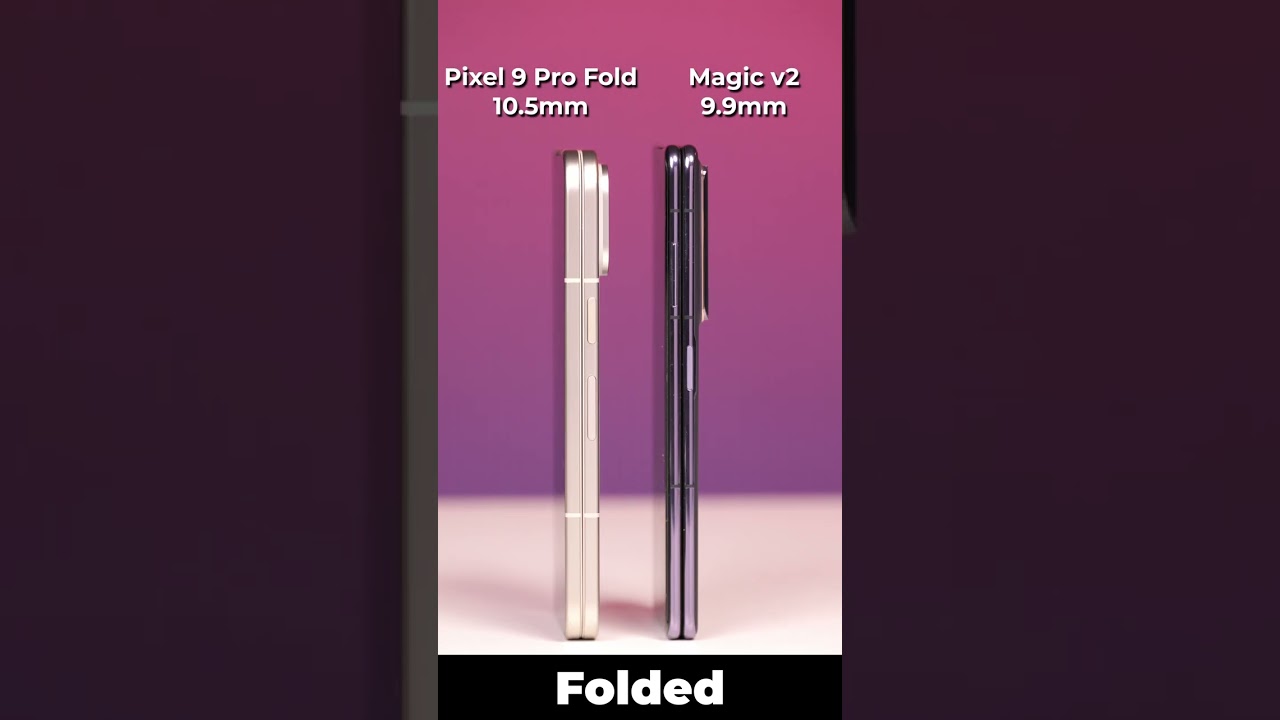
To make a mark with its first foldable iPhone, Apple will need to bring forth innovations that stand out in a saturated market. The incorporation of a clever design featuring variable thickness for improved durability might just provide the edge needed. Samsung, on its end, has aimed to create foldable devices comparable to those launched by Chinese manufacturers like Honor and Oppo, focusing on achieving a balance of thinness and endurance.
Although Samsung has faced challenges in matching the extreme thinness of competitors like the 4.4mm Magic V3, it has prioritized sturdiness, culminating in the launch of models like the Galaxy Z Fold Special Edition, which boasts improved resilience. As competition strengthens with rising contenders producing even thinner devices—such as the anticipated 4mm Oppo Find N5—Samsung faces increasing pressure. If Apple can secure a durable cover glass with the anticipated thinner crease design, it will force Samsung to reassess its strategy and potentially adopt similar advancements.