In the latter part of 2024, Huawei finally unveiled the highly anticipated Freebuds Pro 4, a long-awaited upgrade to their flagship earphones. After more than a year of speculation and eager anticipation, the new model made its debut first in China and quickly followed with an international launch. Though it faced stiff competition from other brands, the Freebuds Pro 4 has garnered attention for its impressive features and audio performance.
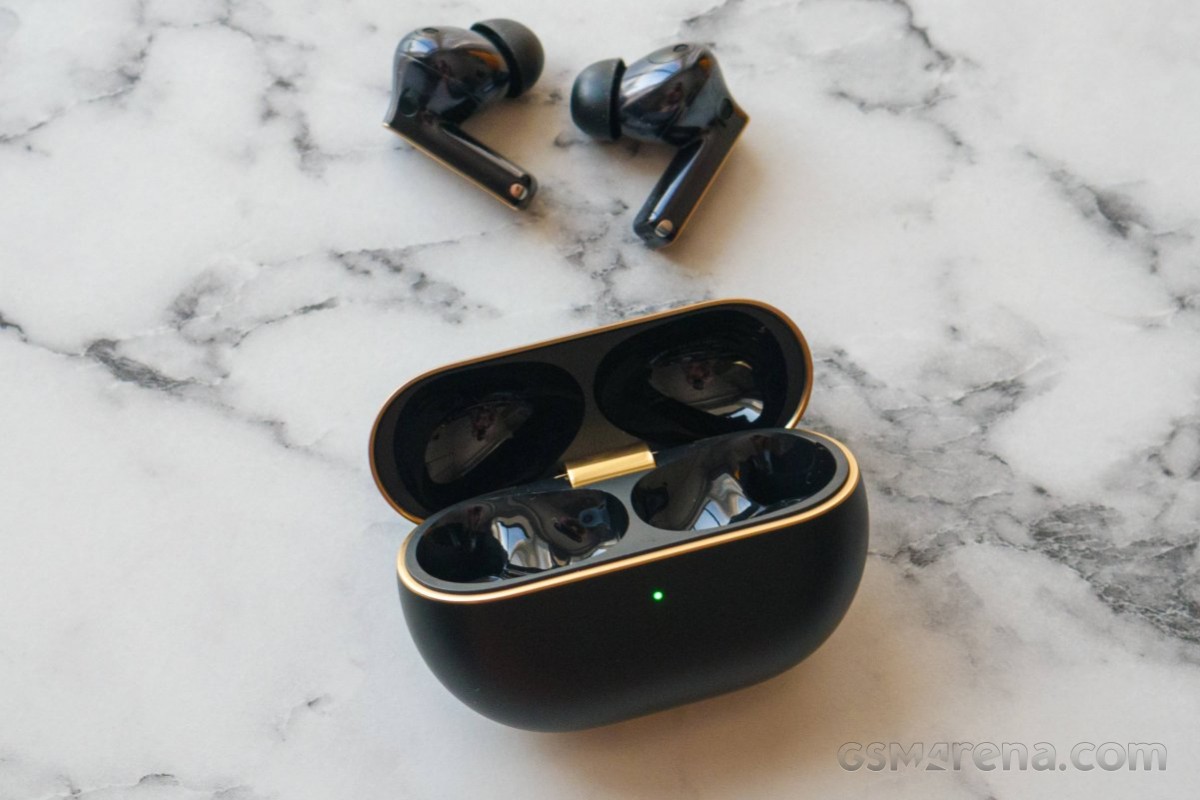
The devices' initial momentum was somewhat overshadowed, but they soon established their own identity within the crowded audio market.
Table of Contents:
- Design and Build Quality
- User Interface
- Sound Quality
- Charging
- Battery Life
- Conclusion
- Pros and Cons
Design and Build Quality
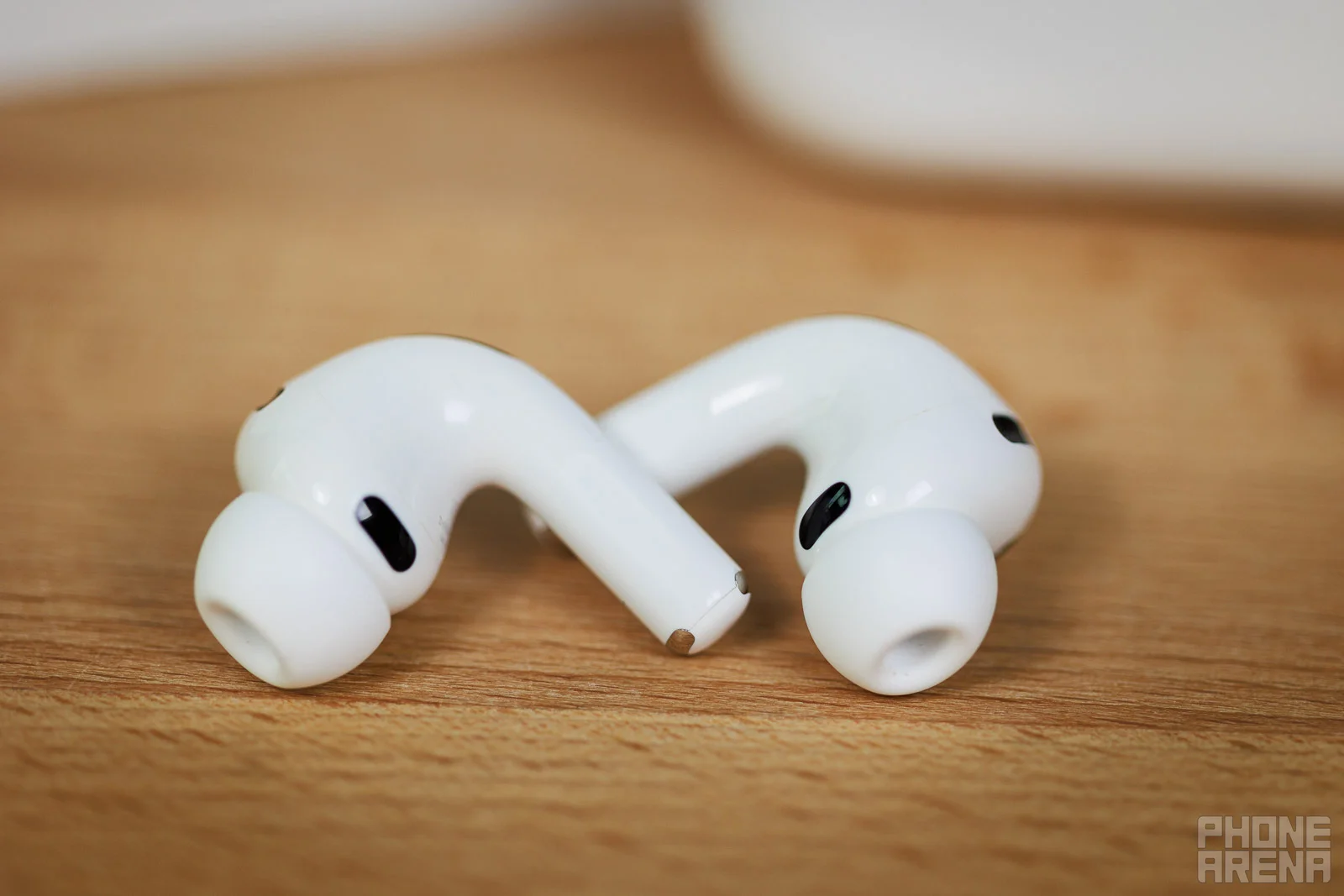
The design of the Freebuds Pro 4 closely mirrors that of the Freebuds Pro 3, available in sleek Black with gold accents and an eye-catching graphic element denoting the advanced Histen technology. Other color options include refined Green and White, each featuring golden details that are particularly appealing in Asian markets; however, their global reception may vary.
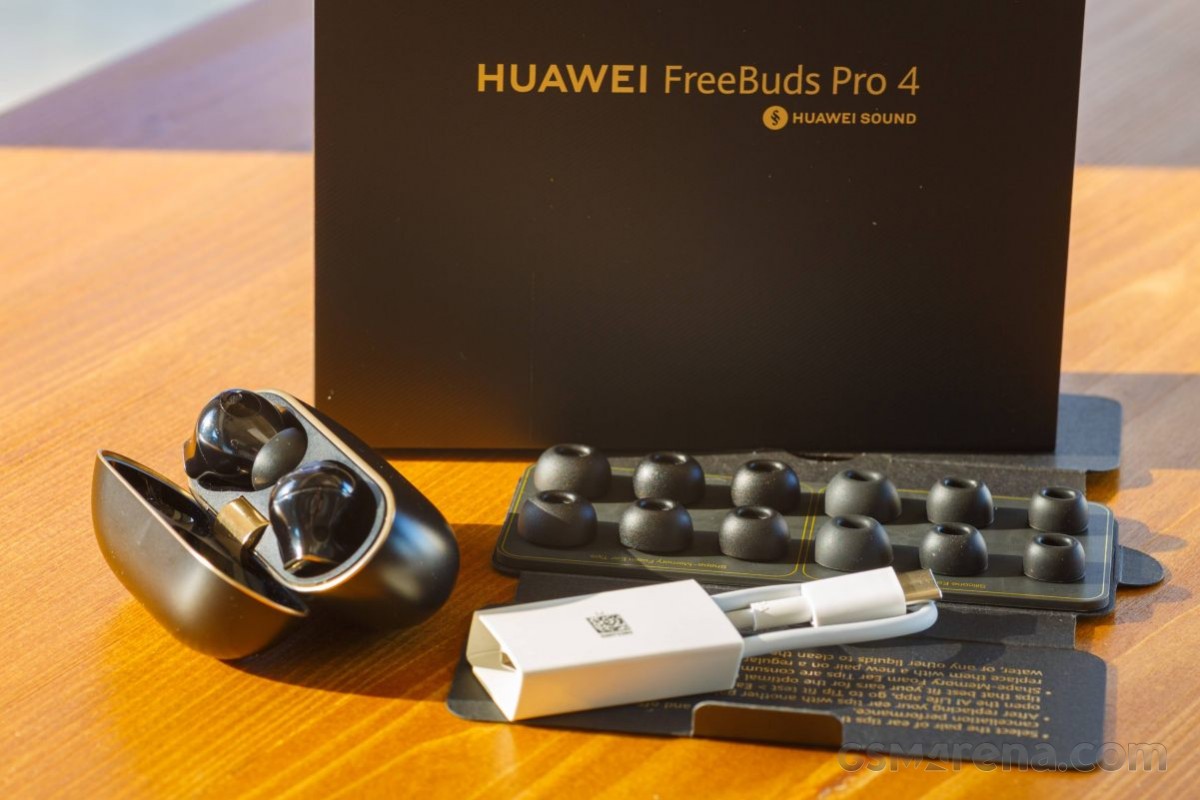
The inner side of the stems houses touch sensors that support intuitive pinching and swiping gestures, which can be personalized via the AI Life app—available for download on Huawei AppGallery for optimal functionality.
User Interface
The Freebuds Pro 4 were launched with significant hype in China as the first audio wearables equipped with HarmonyOS 5.0, although this feature was not highlighted in the global version. This shift can be attributed to Huawei's strategic decisions regarding their OS promotion in the earphone space.
The companion app provides extensive options for noise control, including Awareness Mode and various Noise Cancelling settings tailored to different environments. Users may also find a customizable Equalizer, though configuring noise control can be a bit time-consuming.
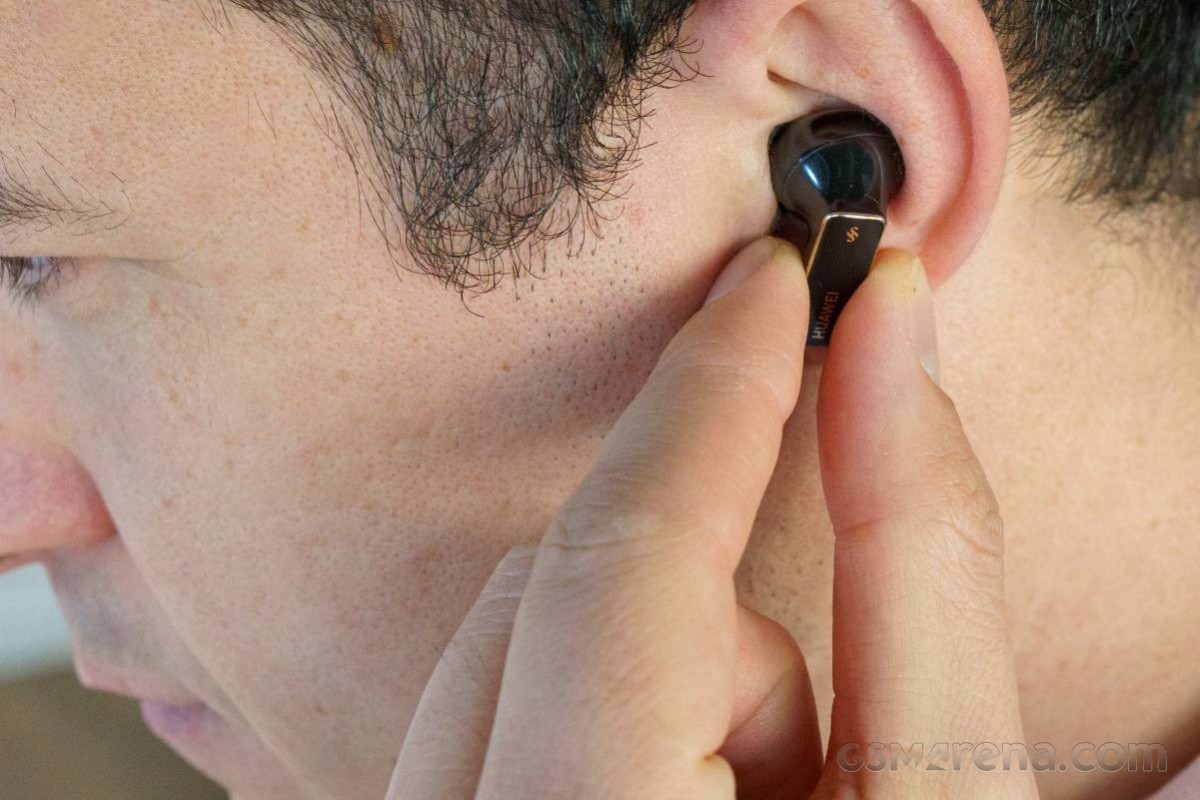
Comfort is a pivotal feature, and throughout testing, the Freebuds Pro 4 proved to be lightweight and unobtrusive—ideal for prolonged use during workouts or leisurely activities. While minor slippage was occasionally noted, it was largely attributed to the reviewer’s exercise form.
Sound Quality
Sound performance is undoubtedly the highlight of the Freebuds Pro 4, featuring a dual-driver setup and an 11 mm quad-magnet dynamic driver delivering impressive bass down to 14 Hz and treble reaching 48 kHz thanks to a planar diaphragm tweeter. The audio experience was marked by rich and deep bass, immediately distinguishing these earbuds from competitors in a crowded market.
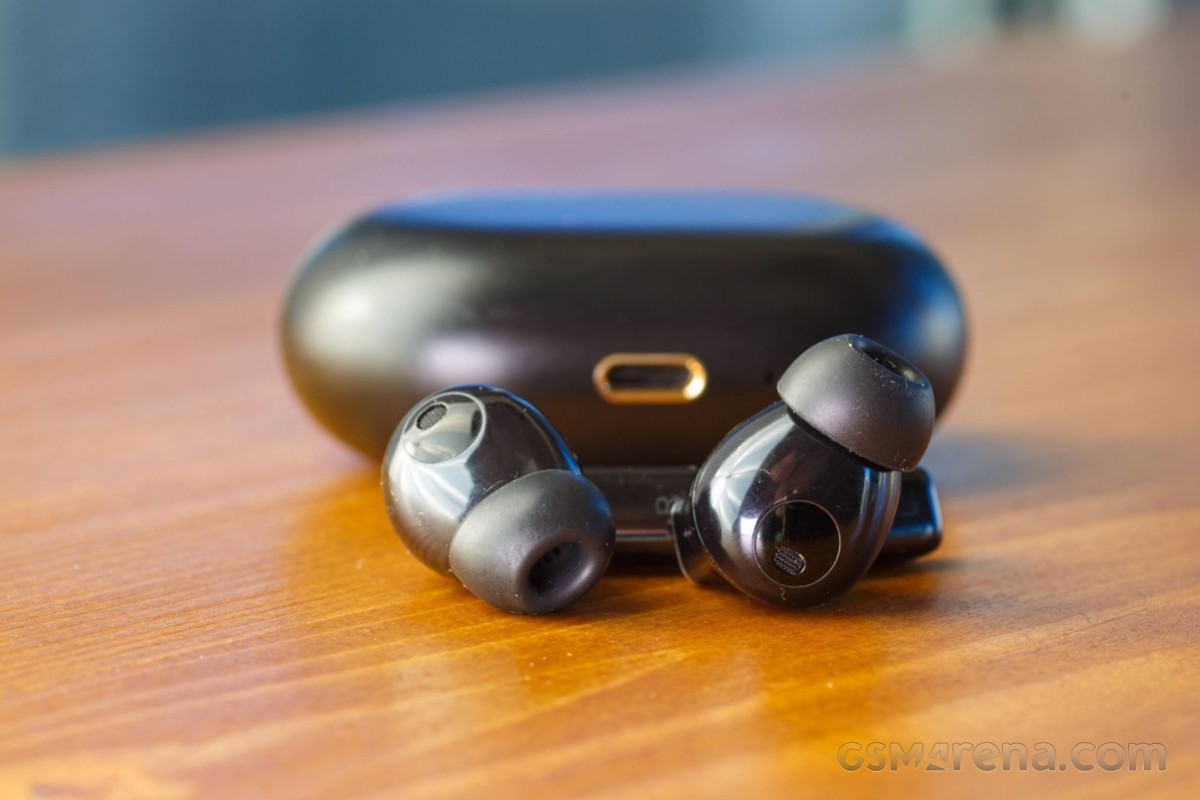
Multiple devices were paired—including Android smartphones and computers—affording seamless connectivity and rapid toggling between devices as confirmed by Huawei's VP, emphasizing the company’s commitment to both sound quality and user experience.
Though noise cancellation was touted to work effortlessly, real-world testing showcased some limitations in extremely loud environments, while performing admirably in moderate scenarios.
Charging
Despite initial impressions of bulkiness compared to its predecessor, both models share the same battery capacity: each earbud features a 55 mAh cell, supplemented by the 510 mAh battery within the case. Charging times varied slightly from the advertised figures, though the earbuds were incredibly challenging to deplete completely during testing.
| Advertised time | Real-life time | |
| Earbuds in the case | 40 minutes | 45 minutes |
| Case only (wired) | 1 hour | 65 minutes |
| Case only (wireless) | 1.5 hours/150 minutes | 160 minutes |
Charging via wireless methods was found to be particularly convenient and efficient.
Battery Life
Testing the Freebuds Pro 4 across various use cases uncovered satisfying performance metrics. The results indicated a reliable battery life, with specific configurations affecting overall playtime.
| Advertised Playtime | Real-life Playtime | |
| Prioritize Sound Quality (ANC on) | 6.5 hours | 360 minutes/6 hours |
| Prioritize Sound Quality (ANC off) | 4.5 hours | 220 minutes/3 hours 40 minutes |
| Prioritize Connection Quality (ANC on) | 7 hours | 380 minutes/6 hours 20 minutes |
| Prioritize Connection Quality (ANC off) | 5 hours | 240 minutes/4 hours |
The tests were conducted primarily with an Android smartphone to provide a real-world context, as results using a Huawei phone are not directly applicable to the global landscape.
Conclusion
Overall, the Freebuds Pro 4 stands out as a commendable upgrade from Huawei, offering remarkable sound quality, dependable battery life, and diverse noise cancellation features at a competitive price point of €199—though availability remains limited in important European markets.
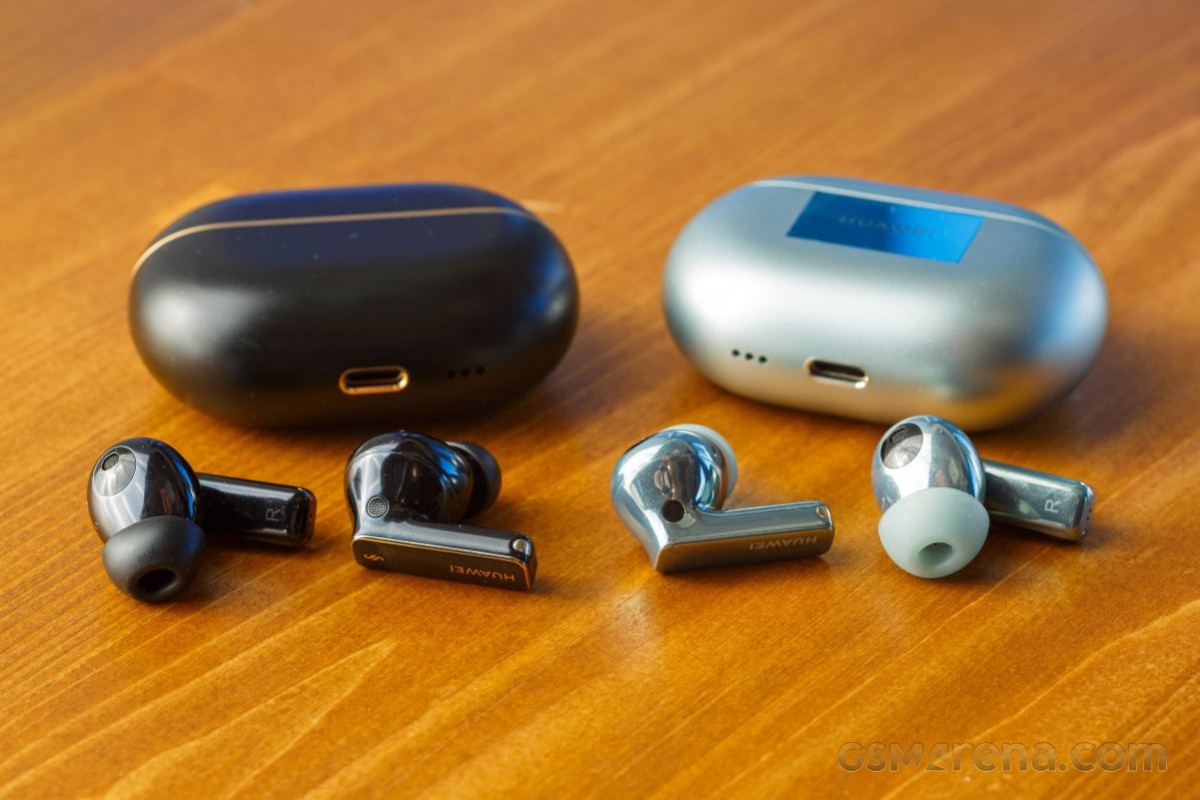 Huawei Freebuds Pro 4 (left) and Freebuds Pro 3 (right)
Huawei has made significant strides in making the Pro 4 available in regions such as Indonesia and the Philippines while still offering the previous Pro 3 model elsewhere. For anyone in the markets where the Pro 4 is sold, we highly recommend giving them a try.
Pros
- Outstanding sound quality.
- Reliable battery performance.
- Quick and seamless connectivity.
- Attractive pricing.
- Variety of noise cancellation modes available.
Cons
- Golden trim may not suit everyone’s taste.
- Availability in key markets is currently limited.
- Marginal improvements over the previous model.
- Pinching gestures may require user adjustment.