During its keynote presentation at CES 2025, AMD unveiled an impressive lineup of new processors and graphics solutions aimed at desktops, laptops, and handheld gaming devices. The company showcased its latest advancements in CPU technology, highlighted by enhanced gaming performance and innovation in image upscaling technology.
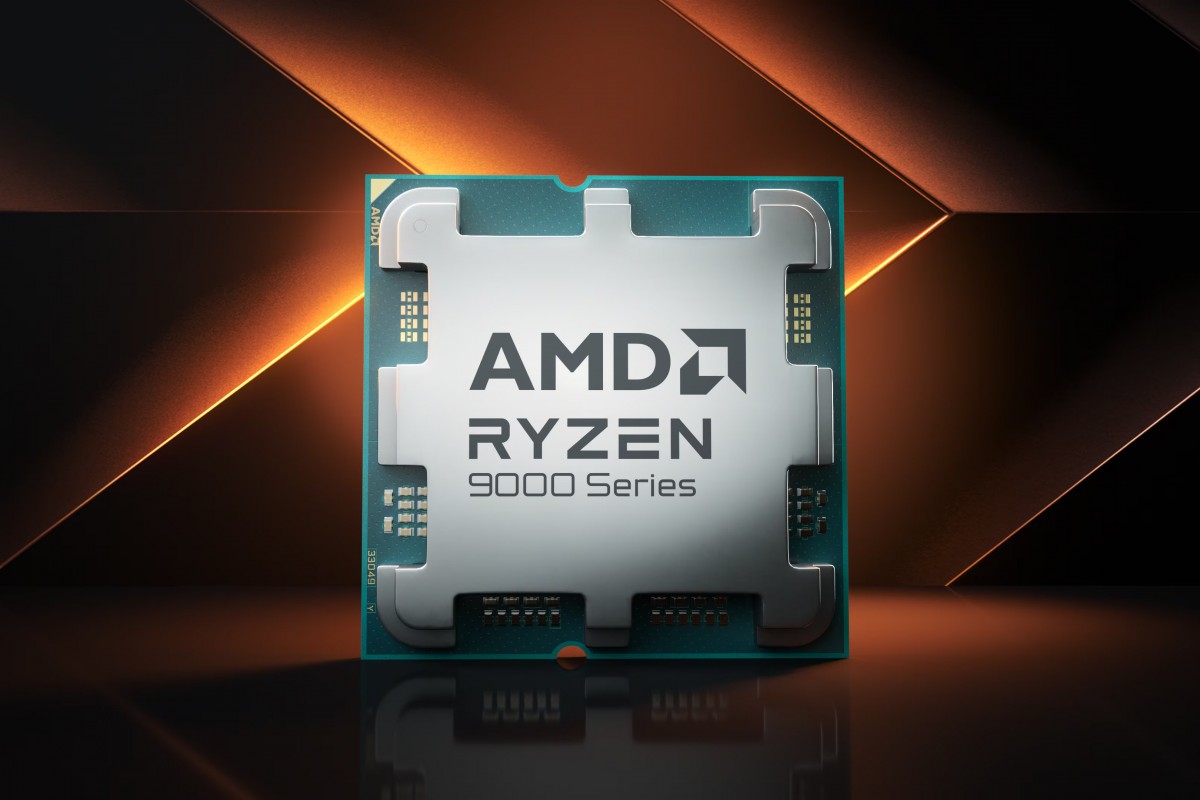
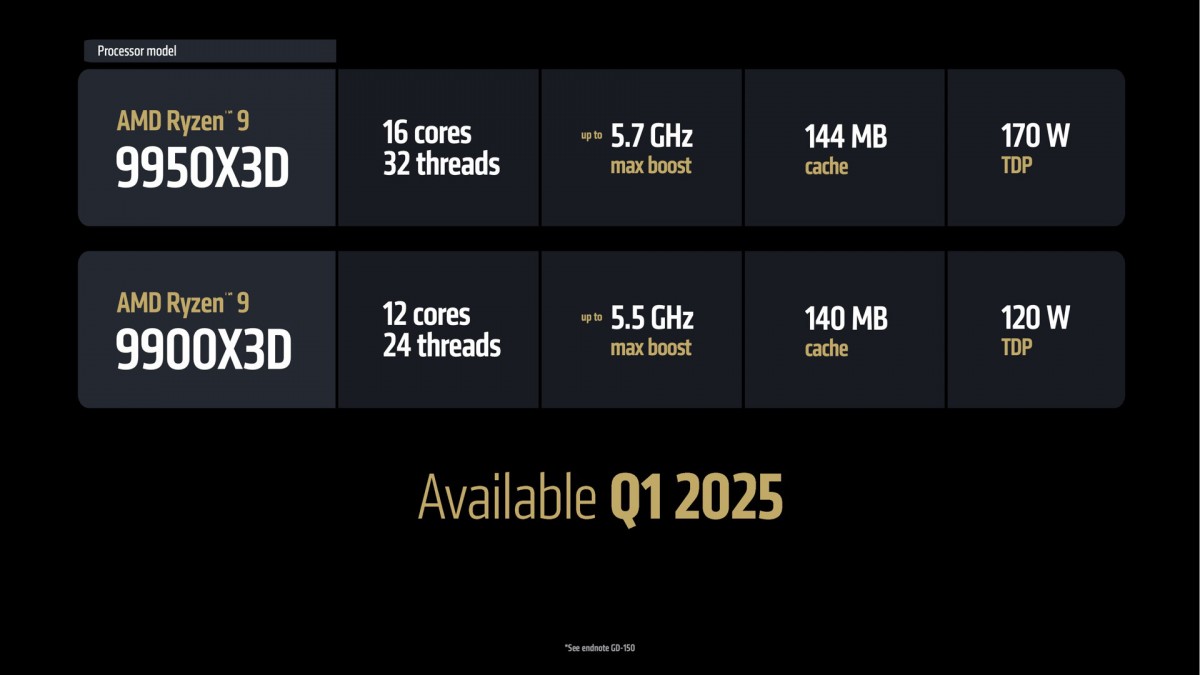
AMD kicked things off with the announcement of two new desktop processors in the Ryzen 9000 series— the Ryzen 9 9950X3D and Ryzen 9 9900X3D. These models leverage AMD's innovative 3D V-cache technology to offer superior gaming performance through expanded cache sizes. According to AMD, the 9950X3D boasts an 8% increase in gaming performance compared to its predecessor, the 7950X3D, and surpasses Intel’s Core Ultra 9 285K by 20%. For users primarily focused on gaming, the 9800X3D remains a competitive option without the extra core count of the 9950X3D.
Additionally, AMD provided updates on its Ryzen Z series, designed specifically for handheld gaming PCs. The Ryzen Z2 appears to be a simple rebranding of the Ryzen Z1 Extreme, featuring the same architecture with 8 Zen 4 cores and 12 RDNA 3 graphics cores. A new addition to the series, the Ryzen Z2 Go, utilizes an older Zen 3+ architecture with 4 cores and an RDNA 2 GPU, highlighting the significant performance differences within the series.
For high-performance gaming notebooks, AMD announced three new Ryzen 9000HX Series processors, including the Ryzen 9 9955HX3D, the first in this series to feature 3D V-cache. Accompanying it are the standard 9955HX and the 9850HX, which feature 16 and 12 cores, respectively.
Furthermore, the company introduced a broad range of Ryzen AI processors, including models such as Ryzen AI Max and Ryzen AI 300, although details on these were not extensively covered.
Focus on Graphics Processing
AMD also gave a sneak peek at its upcoming GPU offerings with the Radeon 9000 series, featuring both the Radeon 9070XT and the Radeon 9070, scheduled for release in Q1 2025. These graphics cards are positioned to compete directly with Nvidia’s forthcoming RTX 5070 and RTX 5070 Ti models, which are set to be revealed later today.
FSR4 Technology Advancement
On another technological front, AMD unveiled its next-generation FSR4 technology, which incorporates machine learning techniques akin to Nvidia's DLSS and Intel's XeSS, and is specifically optimized for RDNA 4-based graphics processors. Further details on this technology are yet to be disclosed.