Apple's reputation for premium products often overshadows its strategic financial decisions. While the tech giant is known for pushing boundaries, it's now opting for a cautious approach regarding the transition to TSMC's advanced 2nm chip technology. Initially anticipated for use in upcoming chipsets, Apple has decided to postpone this upgrade until 2026, aligning it with the launch of the iPhone 18 series, which will feature the A20 and A20 Pro processors. The primary reason for this delay revolves around the significant expenses associated with the high-cost silicon wafers, priced at $30,000 each.
This delay highlights the critical nature of process nodes in chip manufacturing. Lower process nodes signify smaller transistor sizes, enabling a higher density of transistors on chips. A surge in transistor count translates into enhanced power and energy efficiency. Moreover, the increased transistor density optimizes performance while reducing power consumption—an essential factor for today's mobile devices.
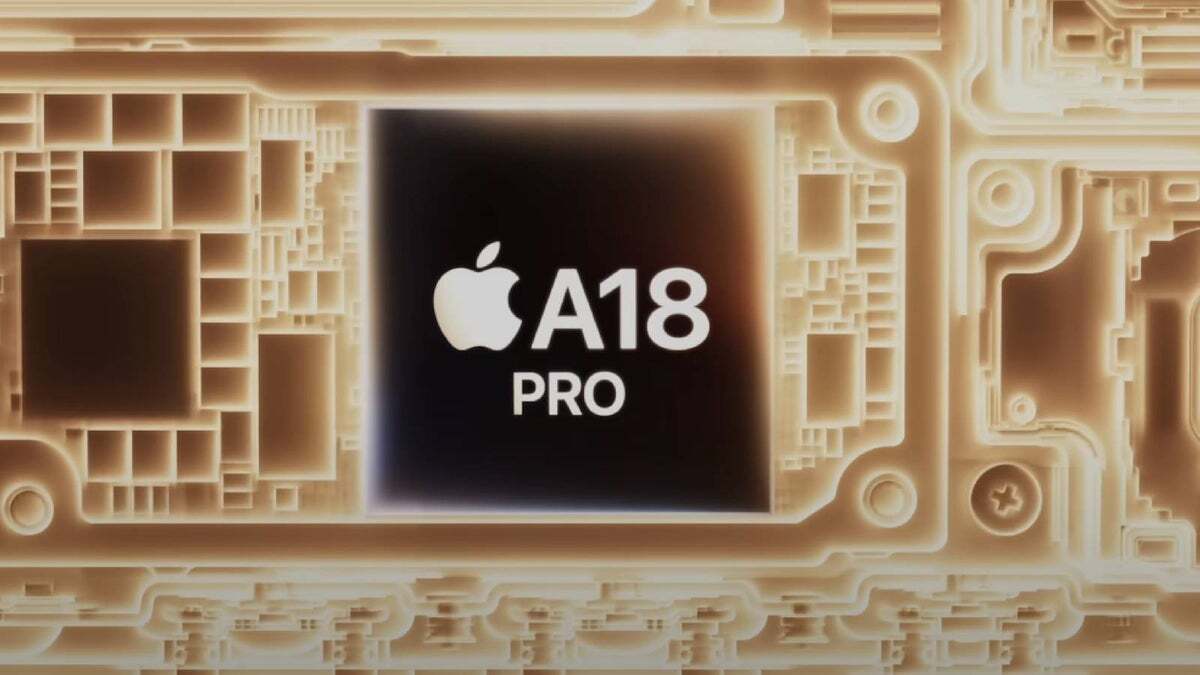
The iPhone 16 Pro and iPhone 16 Pro Max are powered by the current 3nm A18 Pro application processor. | Image credit-PhoneArena
TSMC's forthcoming 2nm technology promises a 15% boost in performance and a 15% increase in transistor density, alongside a remarkable reduction in power consumption. This innovative technology employs gate-all-around (GAA) transistors, which optimize current flow and enhance energy efficiency. Recognizing the financial implications, Apple may decide to harness TSMC's 3nm node for the standard A20 chip in non-Pro iPhone 18 models, reserving the more advanced 2nm technology exclusively for the iPhone 18 Pro variants.
The majority of iPhone users remain largely unaware of the intricate details surrounding the processors in their devices. Thus, a strategic postponement of the 2nm's rollout could serve to bolster Apple's financial standing while still maintaining a competitive edge. With no 2nm processors anticipated for Android devices until 2027, Apple is likely to retain its title as the pioneer in 2nm mobile processing when the iPhone 18 series debuts in 2026, mimicking its prior achievements with the 3nm introduction in 2023.