Apple had ambitious plans to introduce the iPhone 17 Pro featuring a cutting-edge 2nm chipset in 2025, but recent reports suggest a postponement to 2026. This delay arises from TSMC's difficulties with wafer yield and the necessary certification for mass production of the 2nm chips.
Insider information indicates that the demand for test products is currently surpassing TSMC's capacity, prompting the company to make adjustments to its existing manufacturing processes. These changes will take time to implement and stabilize.
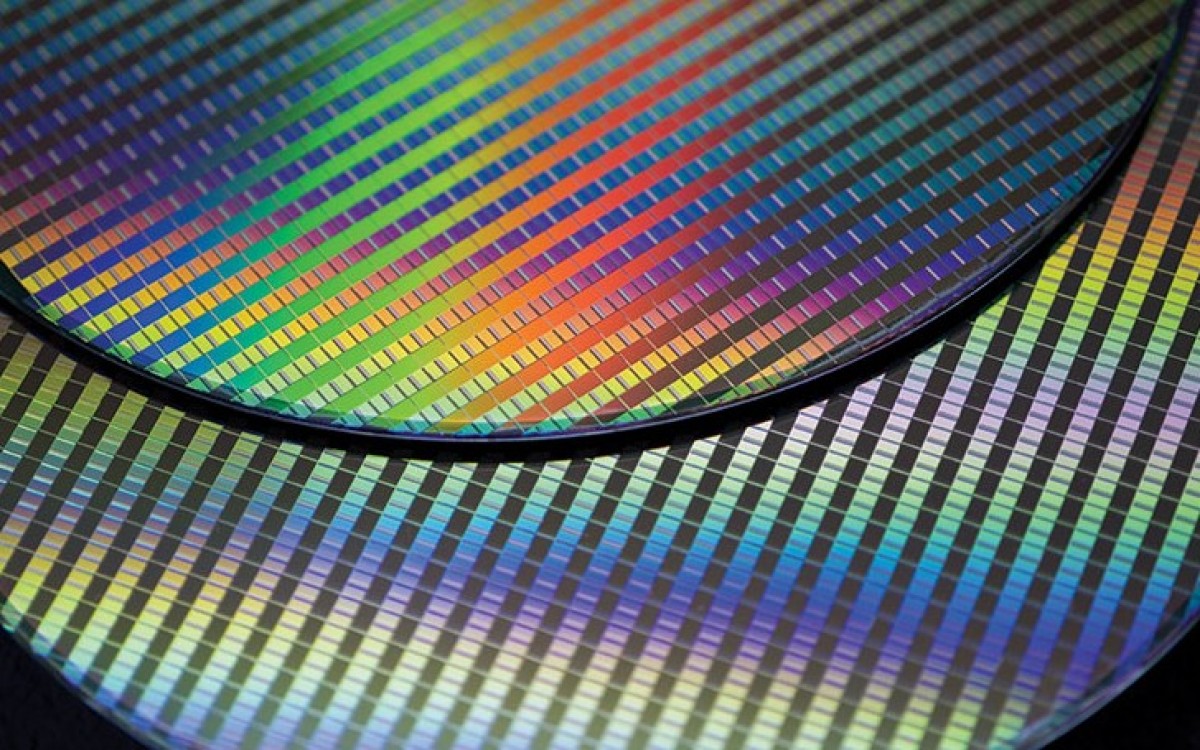
TSMC, known for exclusively fabricating chips for Apple devices including iPhones and MacBooks, also serves other significant tech giants like Nvidia and Qualcomm. It has been reported that Nvidia and Qualcomm are considering collaborations with Samsung Electronics to boost production within South Korean facilities, particularly if political tensions in Taiwan escalate further.
Currently, TSMC manufactures approximately 10,000 wafers monthly but has plans to ramp up production to 80,000 wafers by 2026. The company's Arizona facility is essential for achieving an anticipated total capacity of 140,000 wafers per month.
TSMC's Semiconductor Manufacturing Site in Phoenix, Arizona
According to Taiwan's Economic Daily, Apple has a viable interim strategy — it will extend its use of existing 3nm technology for an additional year. This pause will allow TSMC to refine its production yield and adjust pricing. Meanwhile, Samsung is also grappling with performance and yield issues regarding its own 2nm chips, which are reportedly lagging behind TSMC's performance metrics.