When it comes to purchasing or managing your wireless services, the choice of store can greatly influence your overall experience. Not all stores that display a familiar carrier logo, such as AT&T, are created equal. Understanding the difference between corporate-owned stores and third-party retailers is essential for getting the support you need.
Major carriers provide store locators on their websites to help you find nearby locations—be sure to check whether the store is a corporate outlet or an authorized retailer. For example, if you're a Verizon customer, you can easily identify which stores are official Verizon Company Stores. Opting for a corporate store can enhance your experience, ensuring that you're dealing with staff who have direct access to company resources and policies. While authorized retailers may offer enticing prices, the peace of mind that comes with corporate staff is invaluable.
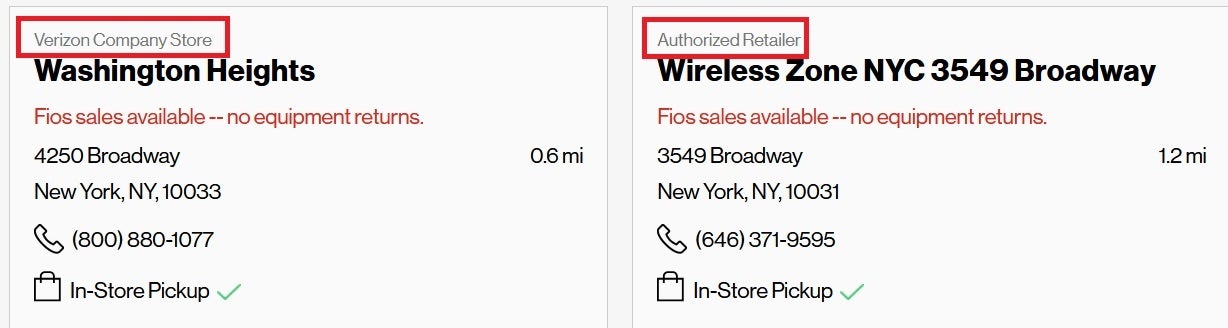
Discover which locations near you are corporate stores using the Verizon store locator. | Image credit-Verizon
If you are a T-Mobile subscriber, you will find that the same principle applies. Many T-Mobile stores can also be either corporate or authorized retailers. Always check the store locator to ensure you're at a company-owned location.
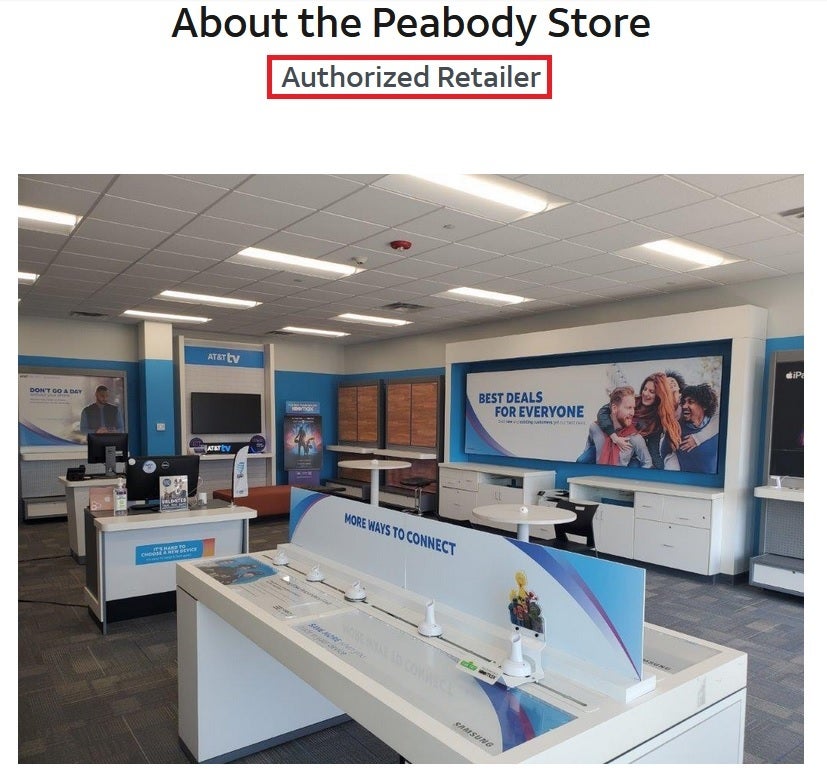
This AT&T location in Peabody, Mass. is an Authorized Retailer. | Image credit-AT&T
Customer experiences at authorized retailers can vary significantly. One current AT&T employee shared their frustrations on Reddit, stating, "This specific incident has never happened before, but I've had several customers come back because of problems. The retailer I work for won't fire him because he lies to customers and brings in sales, but as an employee trying to help others, I feel really bad about it." This reflects the often unpredictable nature of third-party operations.
While issues can arise in corporate stores too, feedback suggests that third-party outlets may have owners and staff who do not prioritize customer satisfaction as much as corporate employees. Additionally, corporate stores typically have better escalation processes in place should mistakes happen, leading to a quicker resolution.