The European Union has officially implemented a directive requiring mobile devices to be equipped with a USB-C charging port, starting in 2025. This significant move aims to cut down on electronic waste and streamline the charging ecosystem across the EU. Alongside this universal charging requirement, the directive also addresses improved labeling, fast charging standards, and further measures to minimize e-waste.
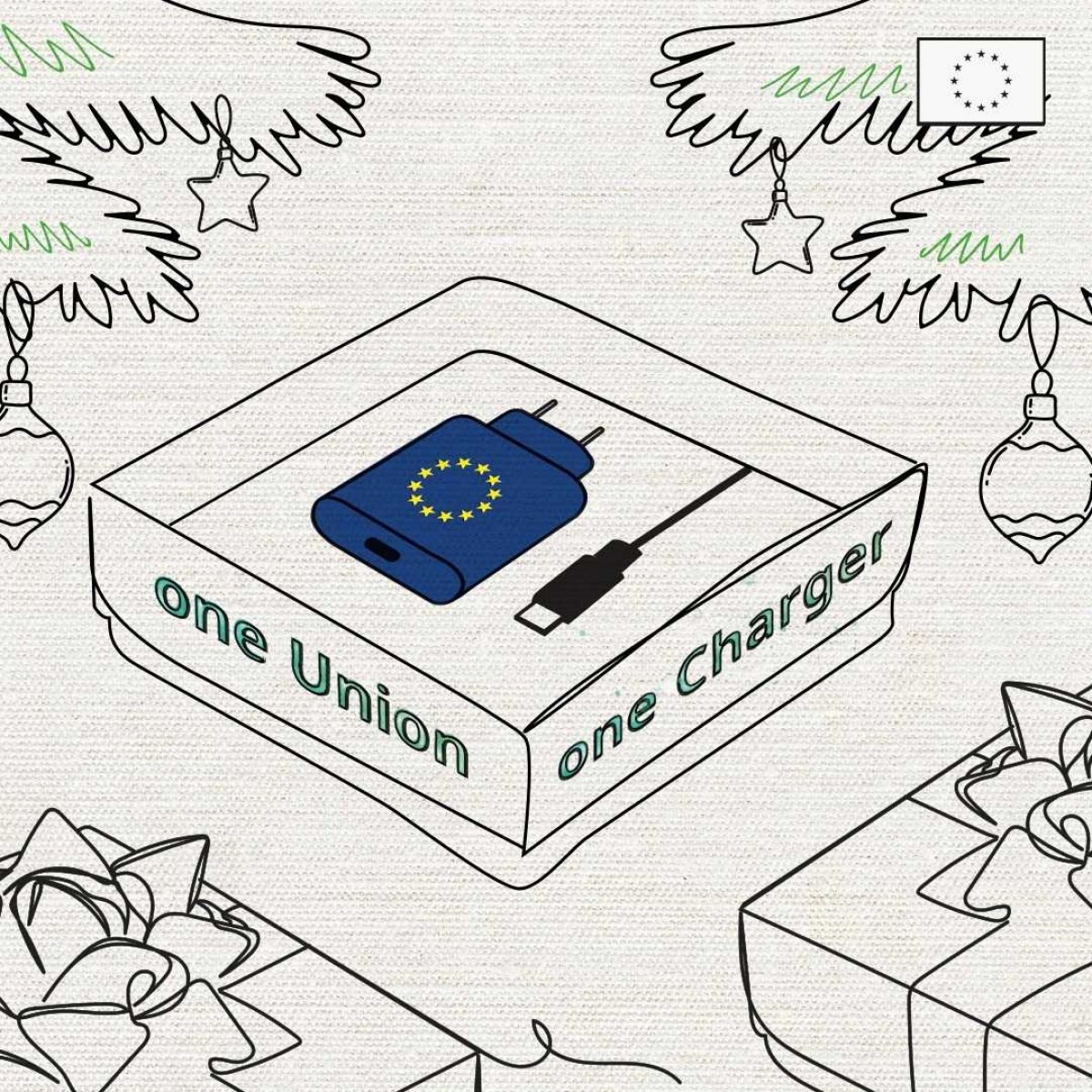
In 2022, the European Commission announced that all mobile phones and other rechargeable devices sold within EU borders must include a USB-C port, aligning with the goal of reducing market fragmentation. By December 28, all 27 EU member states were required to adapt this directive into their national laws.
This directive encompasses a broad range of devices, including smartphones, tablets, digital cameras, headphones, handheld gaming consoles, portable speakers, e-readers, keyboards, mice, navigation systems, and earbuds that recharge via wired connections and meet the power delivery criteria of up to 100 watts.
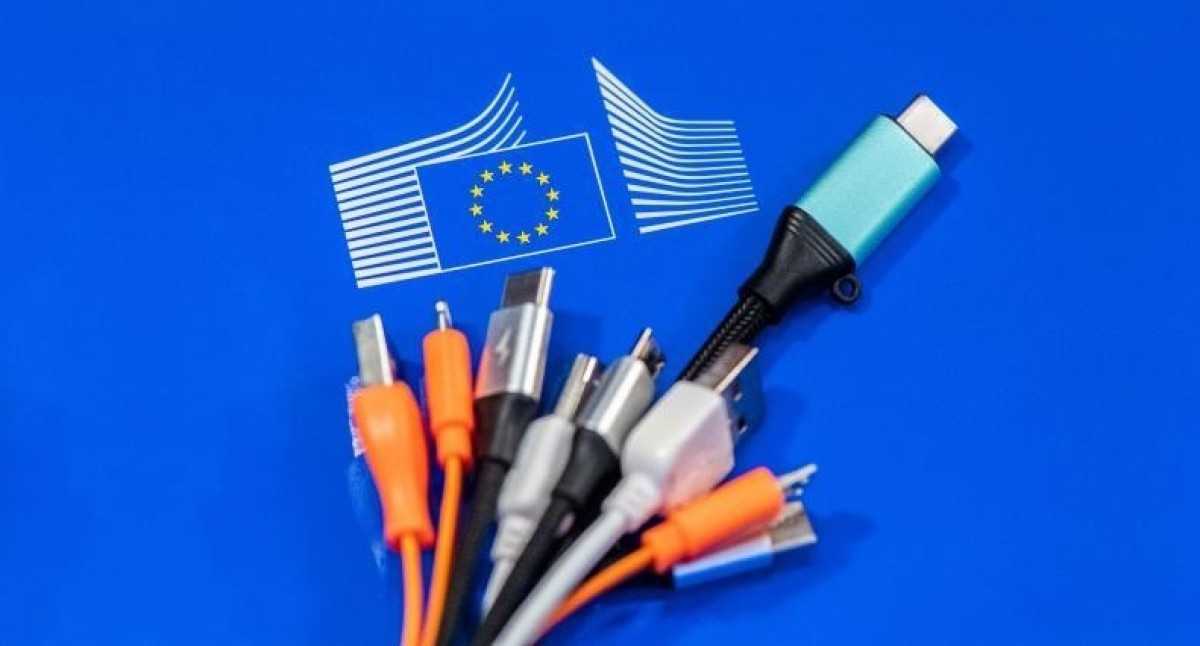
Interestingly, laptop manufacturers have until April 28, 2026, to comply with the new rules, granting them an additional 16 months for adjustments. Certain high-power devices, such as the PlayStation 5 with a 350W power input, are exempt from these regulations.
While some items like drones and wireless chargers won't be affected by this directive, the European Commission plans to monitor technological advancements and market changes continuously to keep the regulatory framework current.
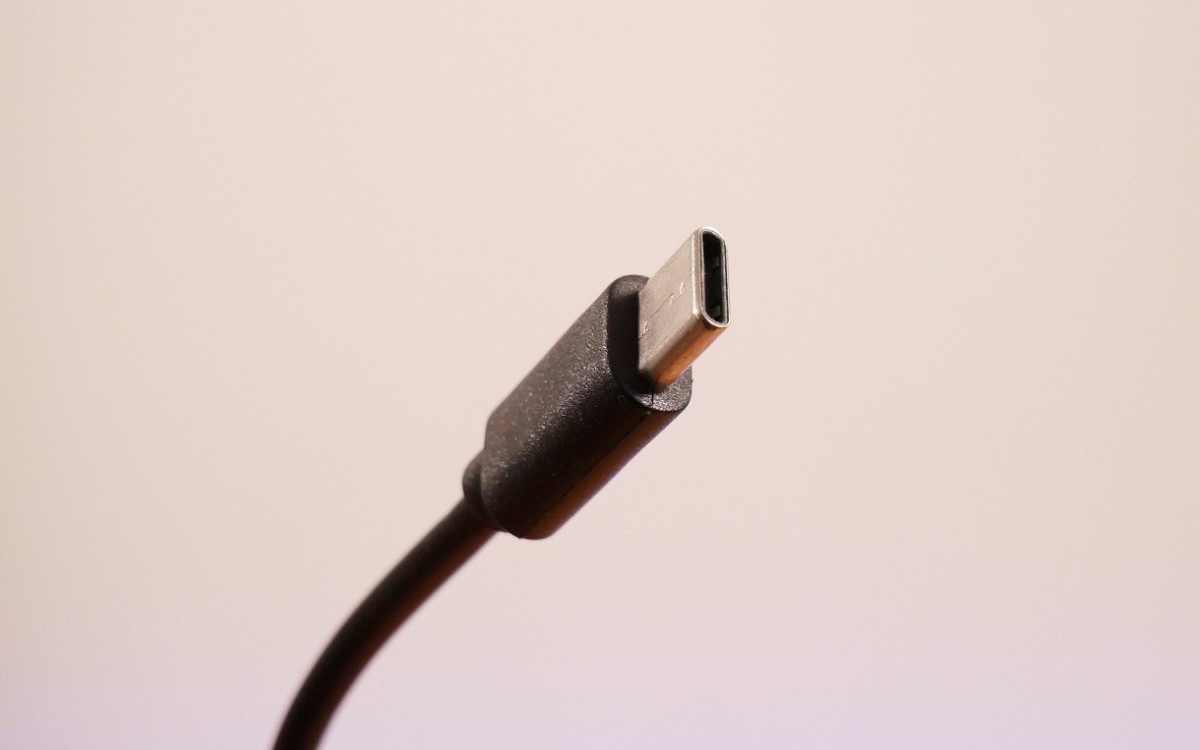
Although the directive mandates USB-C ports, companies can still utilize their proprietary charging technologies—for instance, MacBooks may continue to use their unique solutions.
Devices already on the market lacking USB-C ports can remain available for sale. However, manufacturers cannot launch new products without the required ports, and retailers cannot stock older models once they run out.
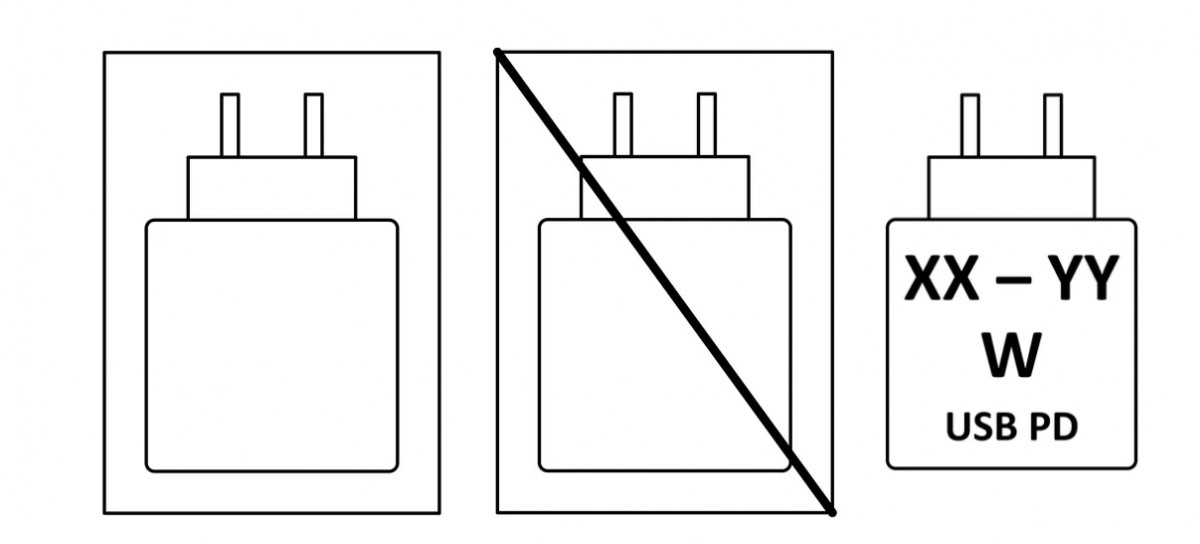 Pictograms indicating charger availability and charging rates on retail boxes
Additionally, the directive states that devices capable of wired charging at voltages over 5V, currents surpassing 3A, or powers exceeding 15W must adopt USB Power Delivery (USB-PD) standards. As a result, devices from manufacturers like OnePlus and Oppo, which previously had proprietary fast-charging capabilities, are required to enable USB-PD to stay in compliance.
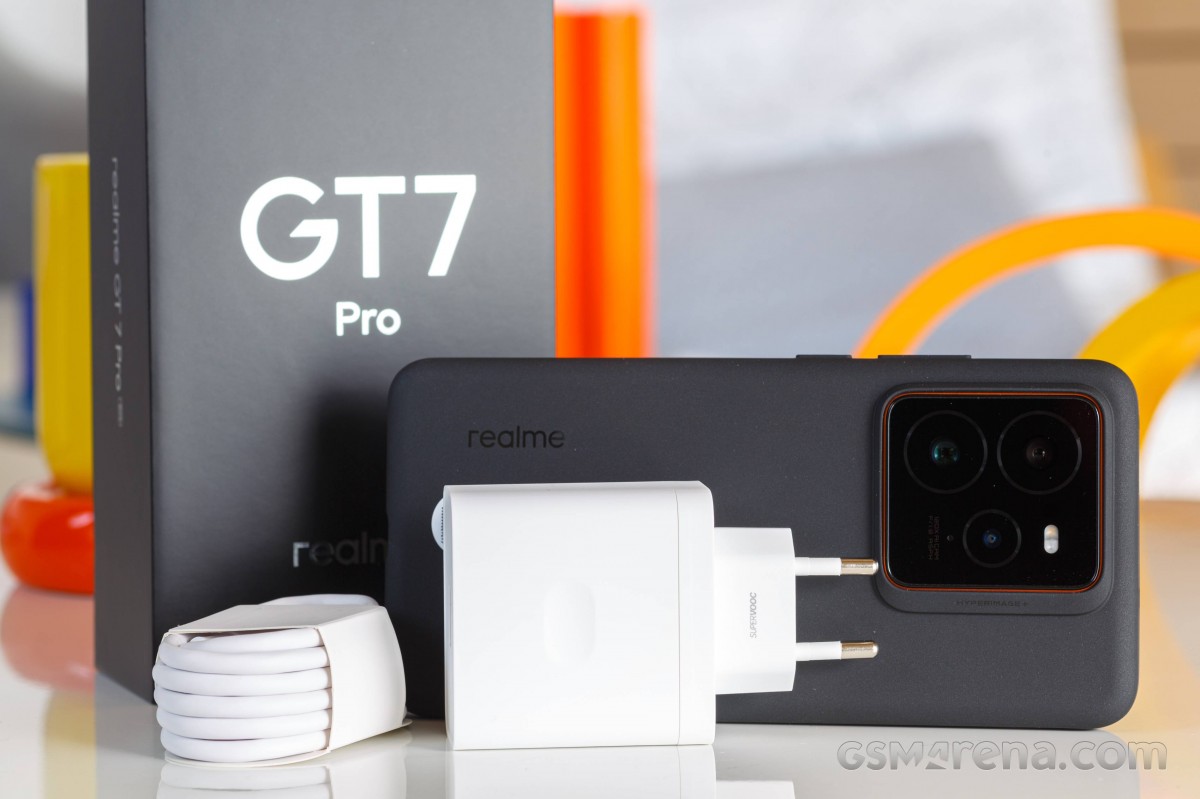 Examples of devices required to comply with USB-PD
The European Commission is also prioritizing waste reduction by permitting the sale of new electronic devices without accompanying chargers. This approach targets the issue of consumers accumulating redundant chargers that often end up discarded instead of recycled.
Consequently, mobile phones in EU member countries will no longer include chargers in their boxes. The European Commission anticipates that consumers will gradually adjust to this new directive and has introduced labeling on mobile device packaging to clarify whether a charger is included.
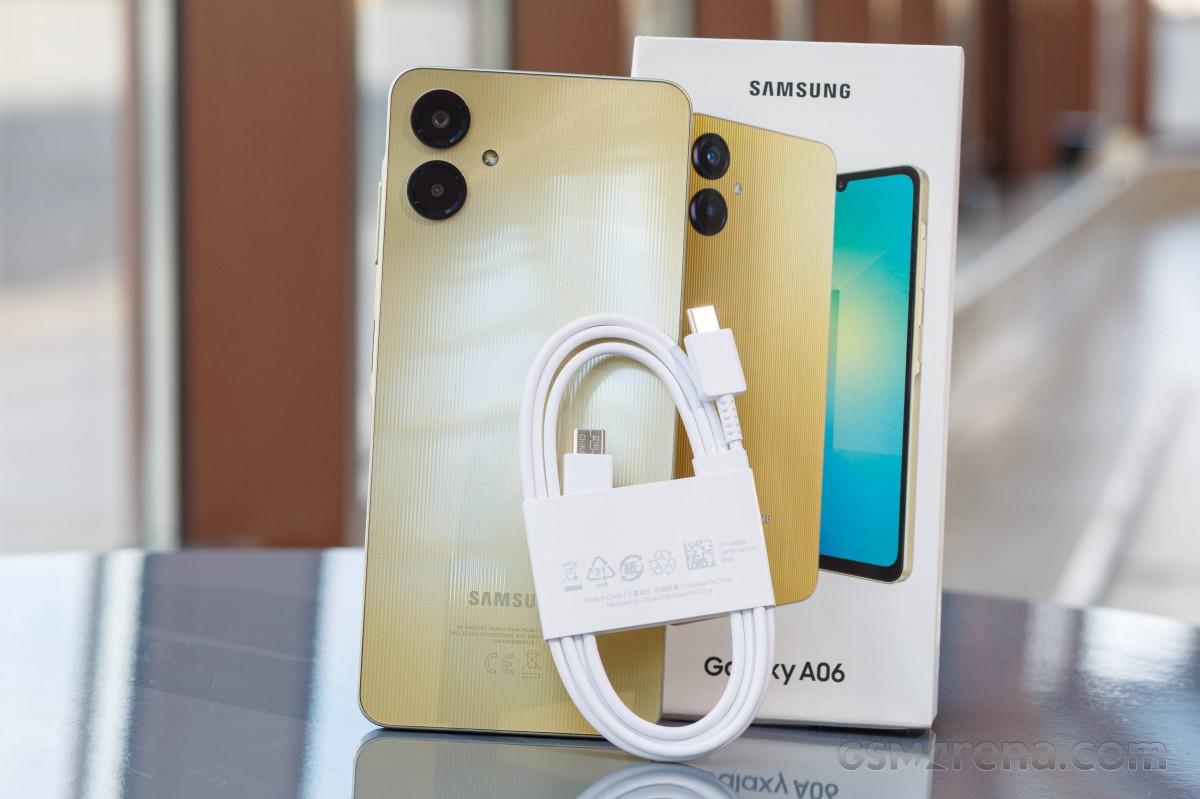 Mobile devices across various price points will omit charger adapters
Individual countries within the EU will have the discretion to interpret and enforce these measures, ensuring compliance among companies and retailers. This directive raises questions about whether other regions will adopt similar policies. While it presents challenges for manufacturers, it stands as a monumental victory for consumers, reflecting the EU's commitment to prioritizing the needs of its citizens over corporate interests.