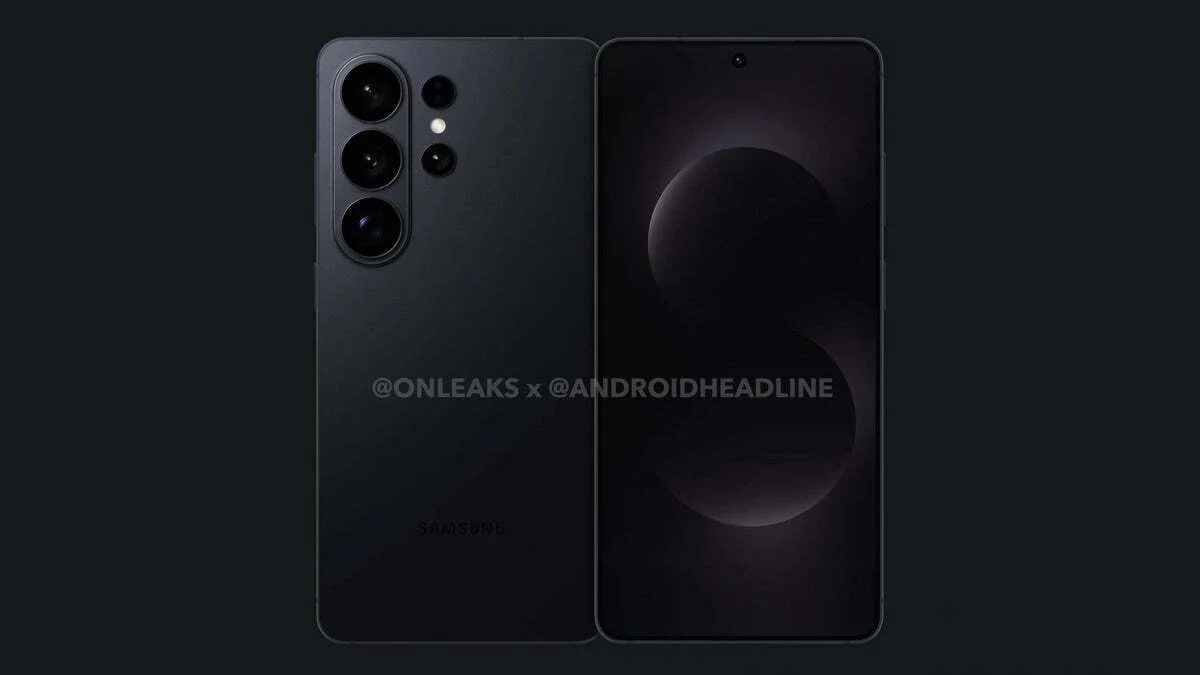
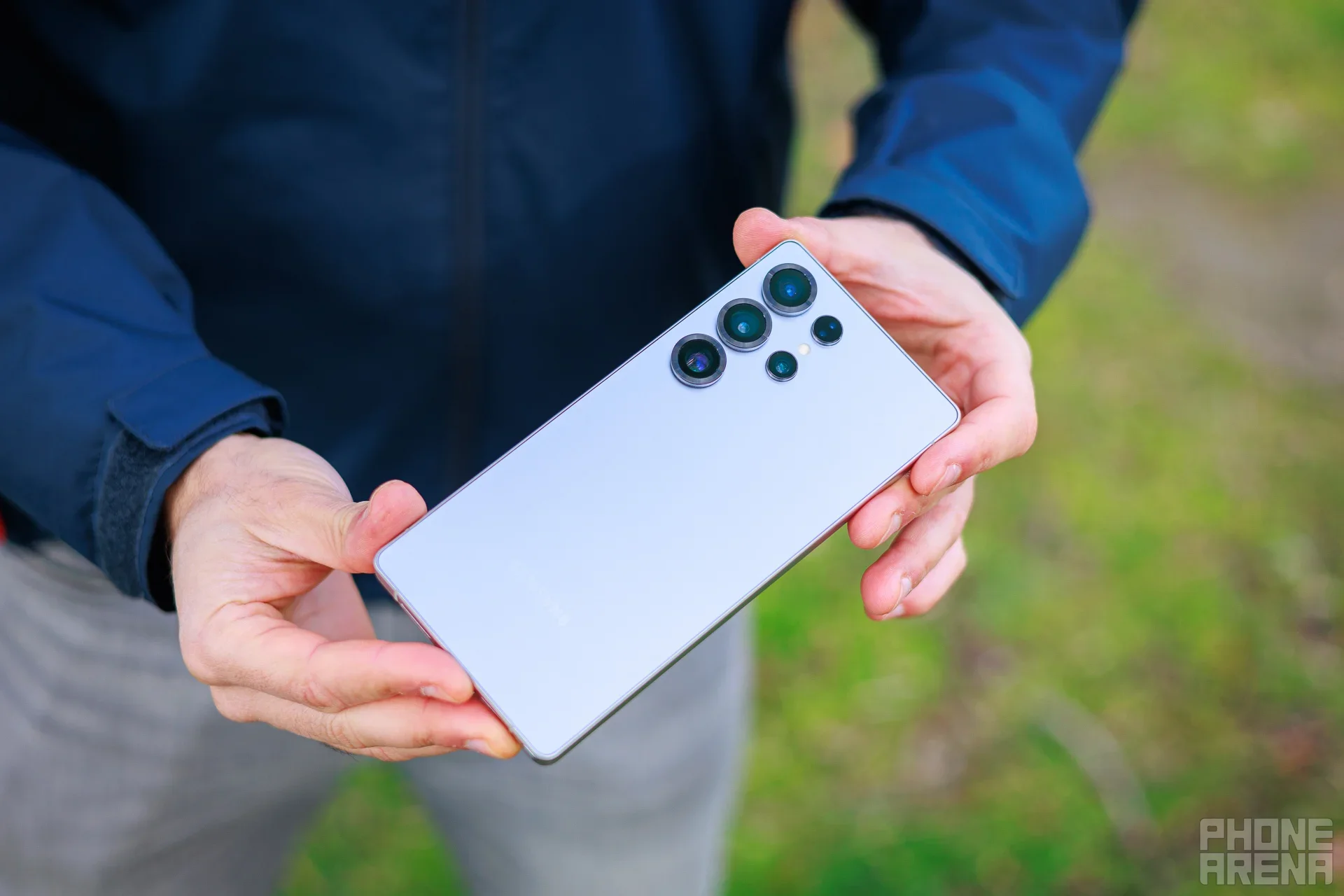
In 2024, Xiaomi experienced a blend of victories and setbacks, marked by the successful launch of innovative products and some areas needing improvement. This year, the tech giant primarily built upon its existing product lineup, steering clear of dramatic overhauls but still managing to pique interest within the market. With the debut of its first electric vehicle and the continued evolution of its smartphone range, Xiaomi demonstrated an ability to adapt while also facing criticism in certain segments. Let's delve into the highlights and lowlights of Xiaomi's performance throughout the year.
Triumph: Xiaomi SU7
The highlight of 2024 for Xiaomi was undoubtedly the launch of the Xiaomi SU7, the company's inaugural electric vehicle. Early statistics show that demand far exceeded production goals, which kept the new factory bustling and showcased a promising start for Xiaomi in the automotive market.
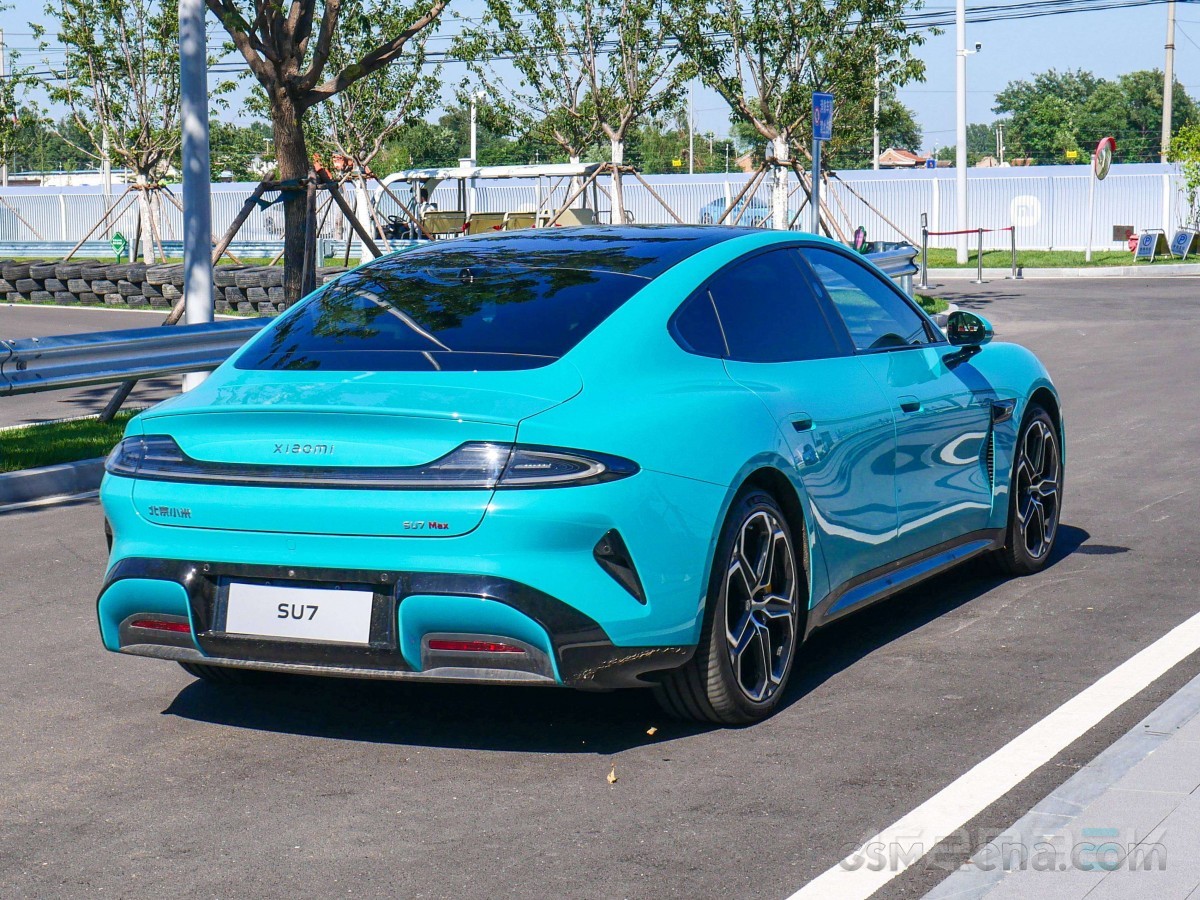
Fans and critics alike have been pleased with Xiaomi's entry into this new sector; the design and functionality of the SU7 have drawn positive reviews from audiences.
Challenges: HyperOS and Battery Life
On the software front, however, HyperOS has generated mixed feelings among users. While the overlay offers a smooth experience, it has fallen short in several areas compared to competitors. This includes confusing feature segmentation between various ROM versions—Chinese, global, and Poco—which has left many features exclusive to the Chinese variant, creating user dissatisfaction.
Perhaps the most significant frustration surrounds the battery performance across Xiaomi's devices. Tests indicate that many models struggle to compete in battery longevity, with HyperOS being a suspect contributor. Additionally, the AI features introduced in HyperOS seem outdated in the current tech landscape, leading users to hope for improvements in 2025.
Success: Xiaomi 14 Ultra
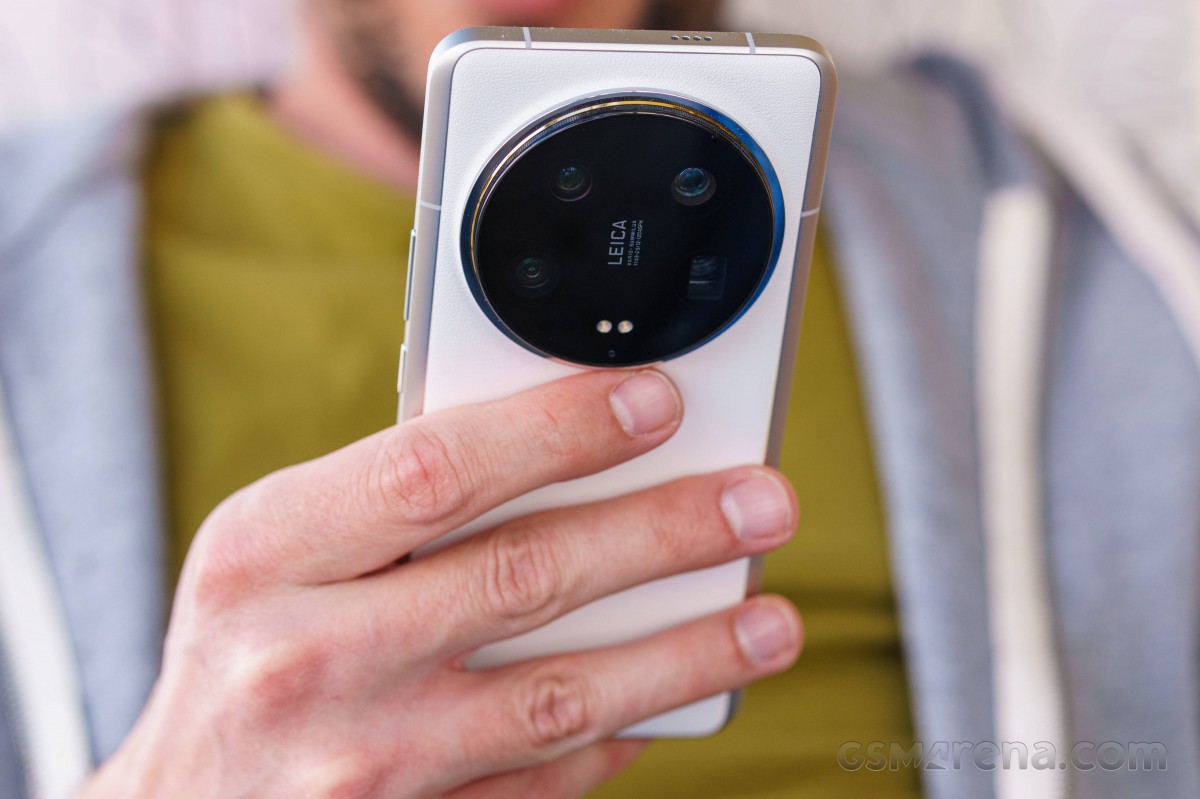
Despite battery concerns, the Xiaomi 14 Ultra continues to impress as a flagship offering. It stands out not only for its design but also for its remarkable camera capabilities, especially in video recording and flexibility across various focal lengths, securing its position amongst the best in the market.
Concerns: Poco Lineup
On a less positive note, the Poco lineup has not lived up to the excitement of previous years. The expansion has led to competitive models like the Poco X6 Pro, yet many offerings appear to be mere placeholders rather than innovative products. Even more high-profile releases, such as the Poco F6 Pro, failed to generate buzz despite offering good specifications for the price, as users yearn for a more impactful narrative from the brand.
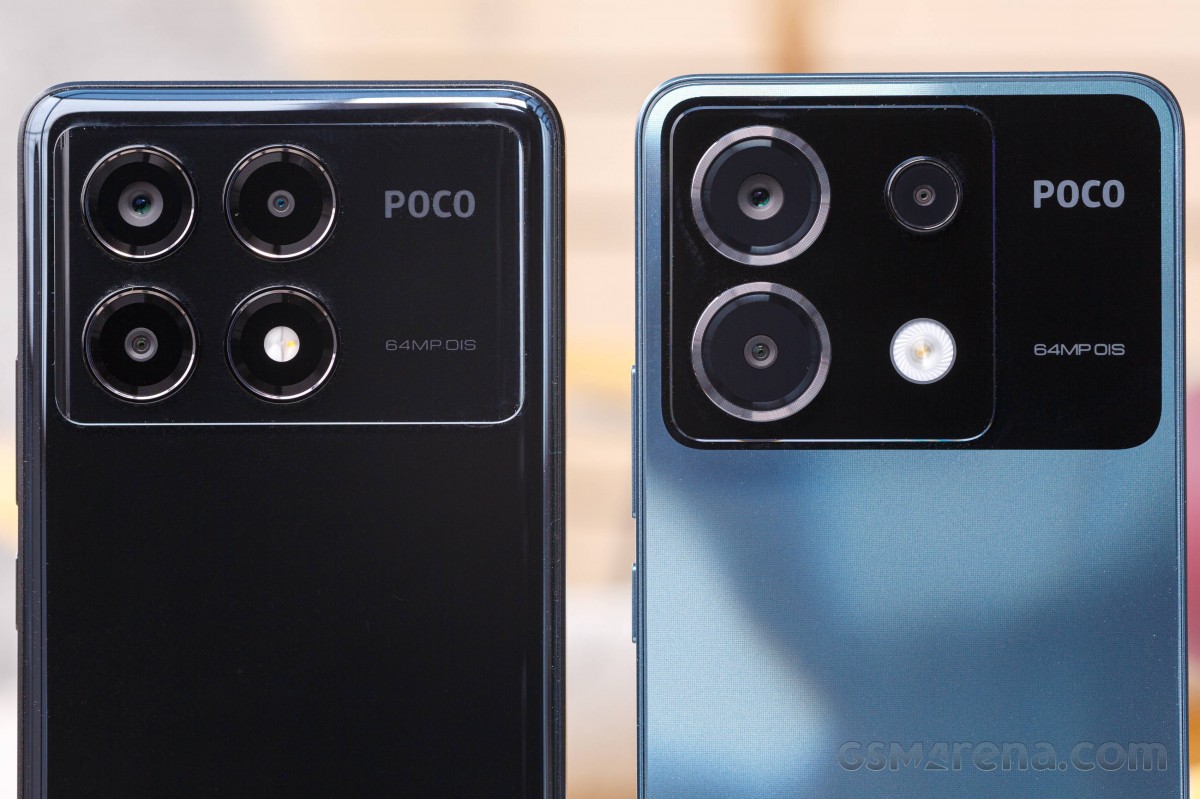
The lackluster performance of these phones emphasizes the need for Xiaomi to revitalize its Poco lineup with more compelling features.
Victories: Redmi and Xiaomi 14T Series
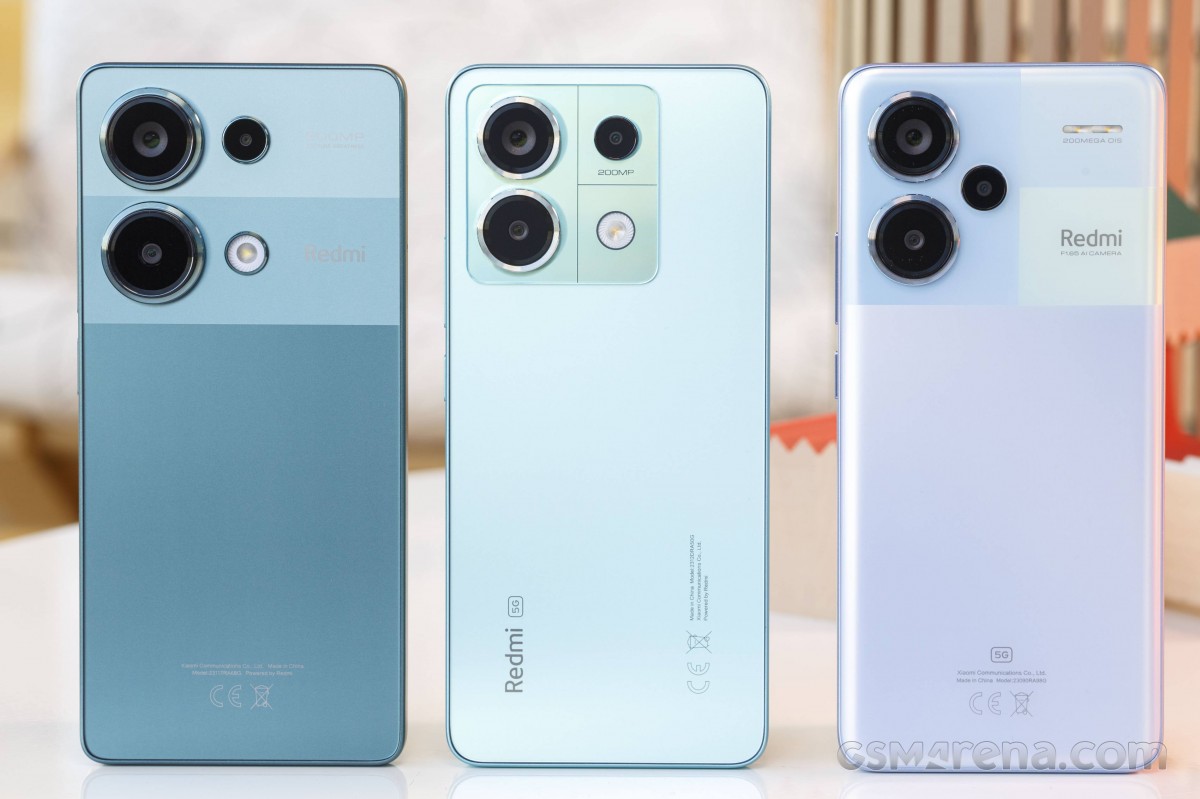
In contrast, the Redmi lineup has thrived in 2024, providing a range of strong value propositions that resonate well with consumers. Devices like the Redmi Note 13 Pro 5G and Note 13 5G have effectively catered to diverse users, establishing Redmi phones as some of the best-sellers this year.
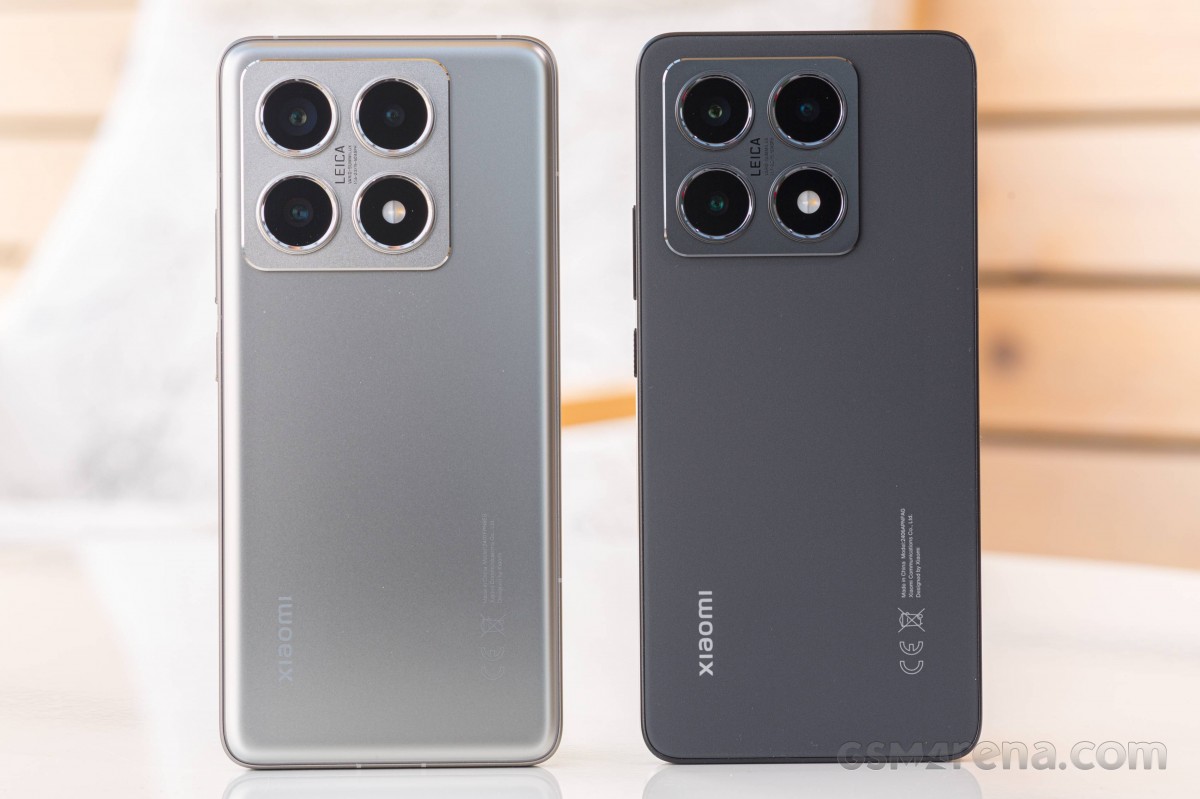
The Xiaomi 14T series also showed substantial enhancements without substantial price hikes. These models have earned recognition for delivering flagship-like camera experiences and performance without the flagship price tag.
Setbacks: Xiaomi Watch S4
Meanwhile, the Xiaomi Watch S4 has drawn criticism for not making significant strides compared to its predecessor. Positioned as more than a fitness tracker, it struggles to compete with dedicated smartwatches, particularly in software and application ecosystem functionalities. The device continues to run on HyperOS, which limits its compatibility with various applications, making it less appealing to tech-savvy consumers.

Xiaomi rolled out numerous promising products this year, but there is an opportunity for them to emphasize software improvements to enhance user experience across all offerings as they look forward to 2025.