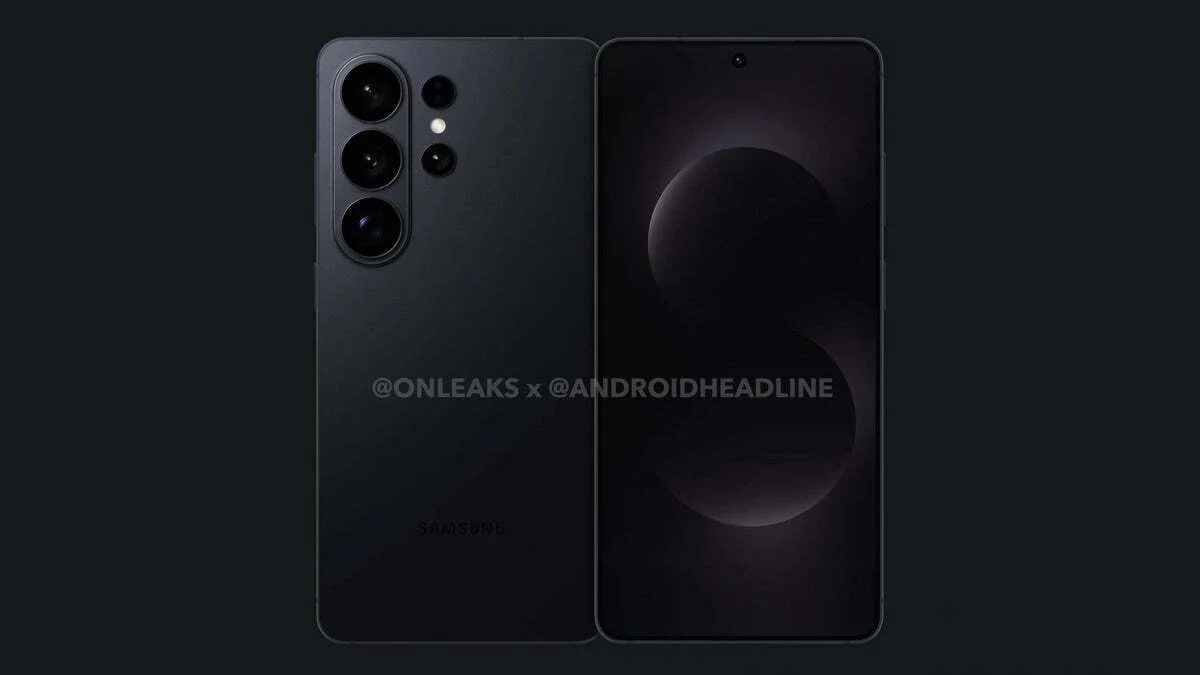
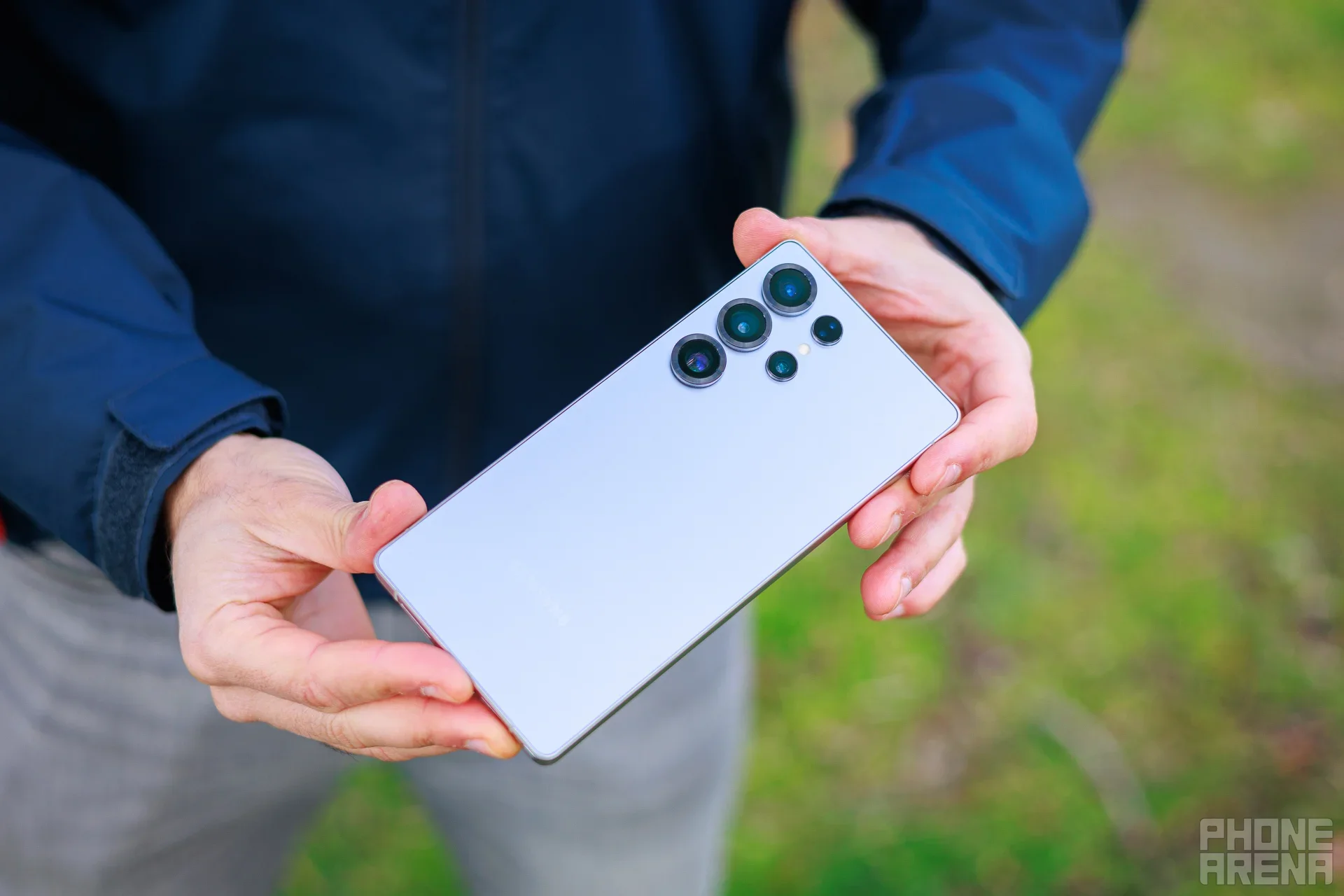
Samsung is once again pushing the boundaries of smartphone aesthetics and functionality with the upcoming Galaxy S25 Slim, which introduces a groundbreaking camera technology aimed at achieving a sleeker design. The S25 Slim is poised to stand out in an increasingly competitive market by solving one of the nagging issues in smartphone design: the bulky camera bump.
The Evolution of ALoP Camera Technology
Confirmed
The S25 Slim integrates cutting-edge ALoP technology.
This innovative approach allows for a significant reduction in the thickness of the camera bump, addressing the long-standing problem of protrusion.
Source: Meritz Securities
— Jukanlosreve (@Jukanlosreve)
Samsung's latest innovation, All Lenses on Prism (ALoP), aims to seamlessly incorporate top-tier camera functionalities into a much thinner profile. First unveiled just last month, ALoP technology enables a reduction of up to 22% in the size of folded telephoto camera modules. This impressive feat is achieved through a smart design utilizing a 40-degree tilted prism reflection surface combined with a 10-degree tilted sensor assembly, leading to a more compact setup. In simpler terms, the Galaxy S25 Slim promises to deliver superior camera capabilities while maintaining a sleek and stylish form factor.
Anticipating the Launch
While excitement builds around the Galaxy S25 Slim, its exact release date remains uncertain. Speculations suggest a possible launch in 2025, potentially coinciding with the rest of the Galaxy S25 series, though some analysts predict Samsung could delay the unveiling until mid-year to optimize its marketing strategy. This move could provide consumers with an exciting new option in the premium smartphone segment.
Balancing Design and Functionality
However, despite the appeal of ultrathin smartphones, it's essential to acknowledge that such a focus isn't primarily consumer-driven. Users often value battery life and performance over just a few extra millimeters. Samsung's gamble with the Galaxy S25 Slim is to cater to a niche market yearning for portability without sacrificing flagship capabilities. If successful, this endeavor could open new possibilities for smartphone design in 2025 and beyond. The anticipation surrounding this launch reflects a collective curiosity about how this experiment will fit into the technological landscape.