Starting January 1, 2025, WhatsApp will officially withdraw support for older Android devices running on Android KitKat or earlier versions. This shift signals that users relying on outdated smartphones will need to consider upgrading to newer models to maintain access to the popular messaging platform.Meta, the parent company of WhatsApp, is making this decision due to the limited hardware capabilities of older devices, which cannot accommodate the app's latest features and enhancements. As WhatsApp progressively integrates advanced functionalities, including artificial intelligence, it requires increasingly robust hardware to deliver an optimal user experience.Here are some of the widely used phone models that will be impacted by this update:
Samsung Galaxy S3
Samsung Galaxy Note 2
Samsung Galaxy S4 Mini
Motorola Moto G (1st Gen)
Motorola Razr HD
Moto E 2014
HTC One X
HTC One X+
HTC Desire 500
HTC Desire 601
LG Optimus G
LG Nexus 4
LG G2 Mini
LG L90
Sony Xperia Z
Sony Xperia SP
Sony Xperia T
Sony Xperia V
For those using any of these older models, it's crucial to back up your WhatsApp data onto a newer device ahead of the January deadline. Failing to do so may result in the loss of vital media and chat histories stored within the app.This recent announcement follows a prior decision by Meta to also phase out support for iPhones running on iOS versions earlier than 15.1, echoing a broader trend towards discontinuing support for legacy devices.
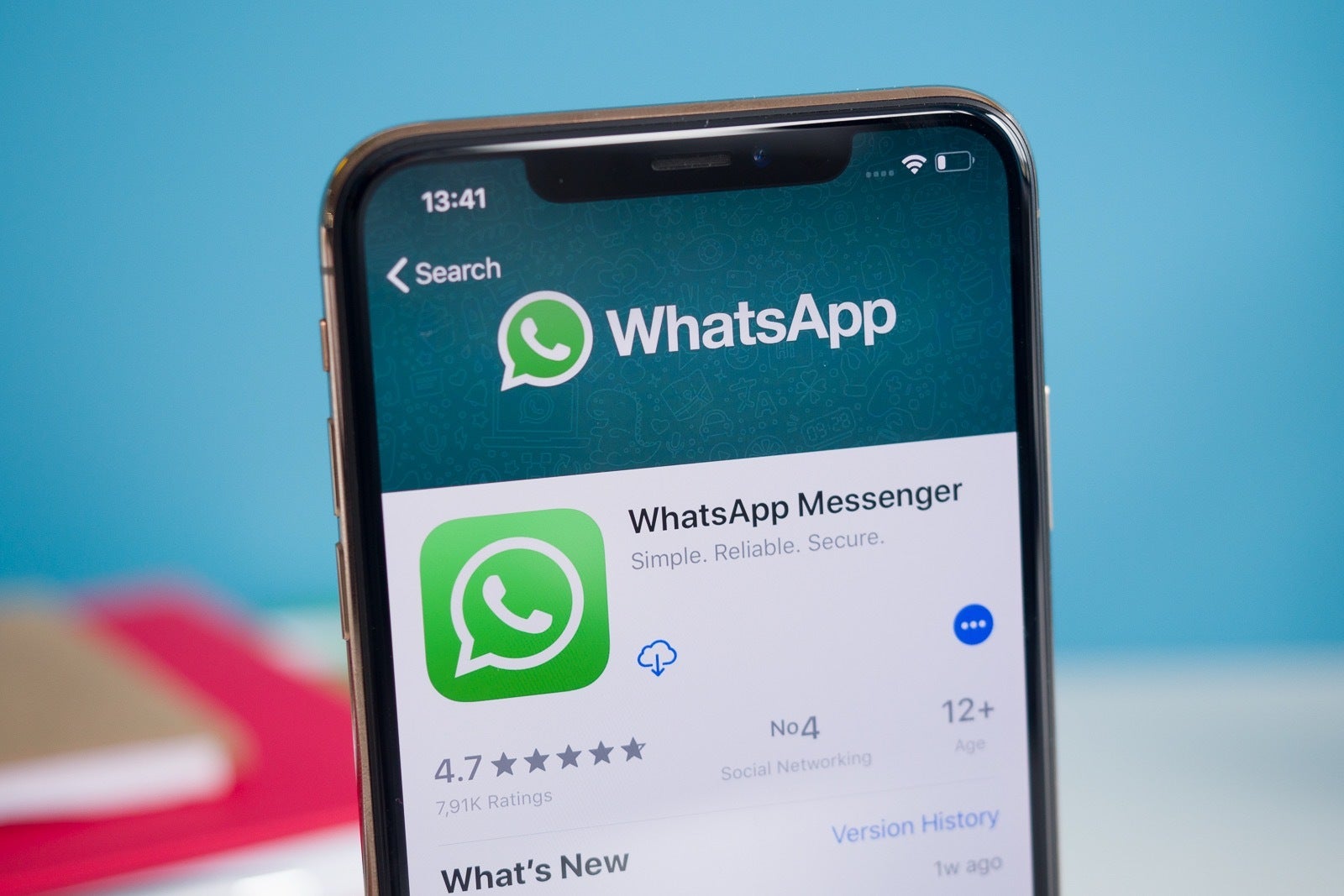
Older iPhones will also stop supporting WhatsApp next year | Image credit — PhoneArena
For iPhone users, the cutoff date for device upgrades is set for May 2025. This extended timeline provides iPhone users extra time to transition compared to Android counterparts, but it remains essential to be mindful of the upcoming deadline and plan ahead if they are still utilizing an older iPhone. The move to cease support for older devices is expected to influence a considerable number of users, especially in developing regions where antiquated phones are still prevalent. However, with the tech industry continually innovating and embracing AI advancements, frequent updates may become an increasingly necessary part of maintaining app access. As the pace of technological change accelerates, users will need to make strategic choices to preserve uninterrupted access to essential apps and services.