In September, the European Commission (EC) took significant steps to encourage Apple to improve the interoperability of its iOS and iPadOS systems under the Digital Markets Act (DMA). Recently, the EC has released a set of draft measures aimed at facilitating greater interaction between Apple's platforms and third-party devices.
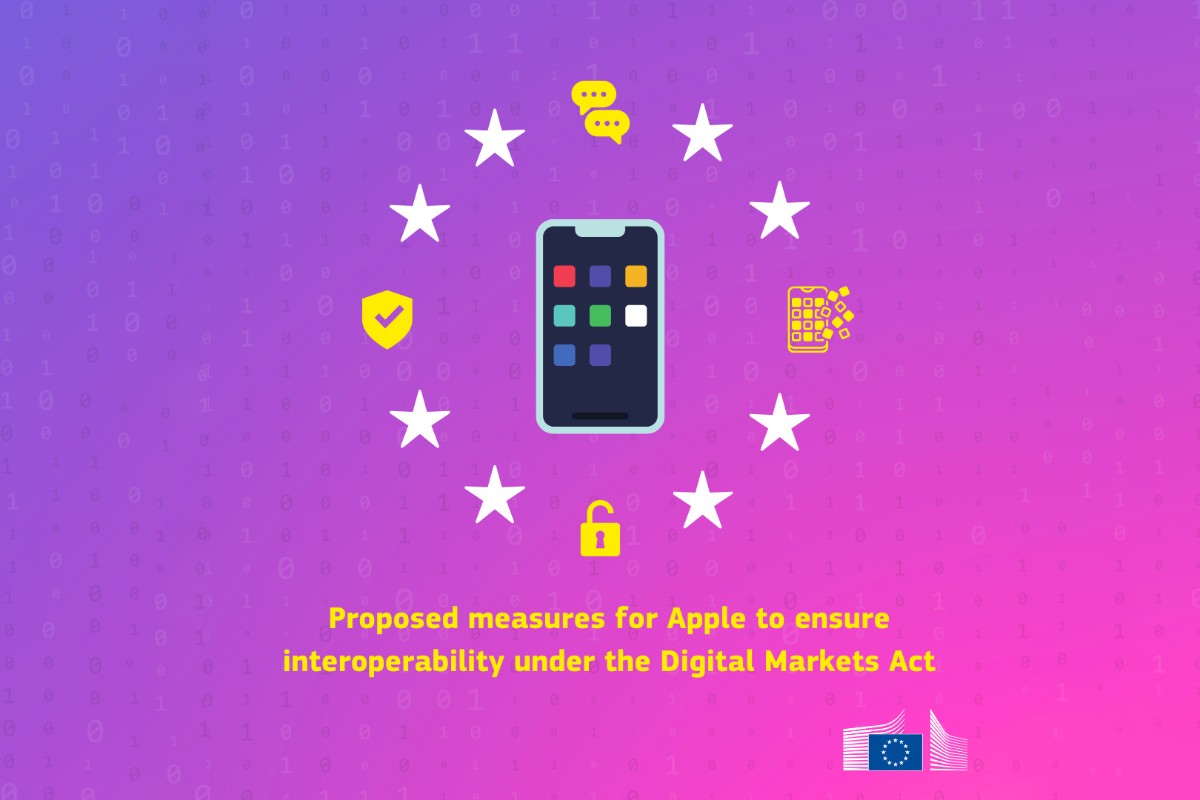
The proposed measures include enabling notifications for third-party devices like smartwatches, wireless headphones, and VR headsets. The EC also expects Apple to enhance features like AirPlay and AirDrop, ensure automatic audio switching, streamline automatic Wi-Fi connections, and improve data transfer processes between devices. Furthermore, the Commission wants Apple to allow background activity execution for third-party services to maintain Bluetooth and network connectivity.
To foster innovation and broaden user choices, Apple should allow third-party devices access to features such as notifications, AirPlay, and AirDrop. – EU Commission
This initiative aims to encourage Apple to share the benefits of its ecosystem with other devices and services. However, Apple has expressed concerns that complying with these recommendations may compromise user privacy, particularly in relation to "data-hungry companies" like Meta. In its white paper titled “It's getting personal” (PDF), Apple elaborated on how these proposed changes could lower the safeguards currently protecting user data.
If Apple were compelled to implement all requests, companies like Facebook, Instagram, and WhatsApp could gain unprecedented access to user data, allowing them to read messages, monitor calls, and track app usage—data that Apple opts not to access to maintain strong user privacy protections. – Apple White Paper
The EC is now inviting feedback from third-party developers interested in improving interoperability with Apple devices, with a deadline set for January 9, 2025. This feedback could influence the proposed interoperability guidelines. The finalized measures are anticipated to be published before March 2025, and under the DMA, non-compliance with the final regulations could result in penalties of up to 10% of Apple's global annual revenue.