Introduction
The emergence of 800V architecture in electric vehicles (EVs) has raised expectations for faster and more efficient charging times. While manufacturers like Hyundai and Kia tout impressive charging rates, it's essential to decipher what these figures truly mean. This article uncovers the discrepancies between advertised charging speeds and the actual performance of Hyundai and Kia EVs in real-world scenarios, enlightening readers on the realities of EV charging technology.
Understanding Charging Speeds
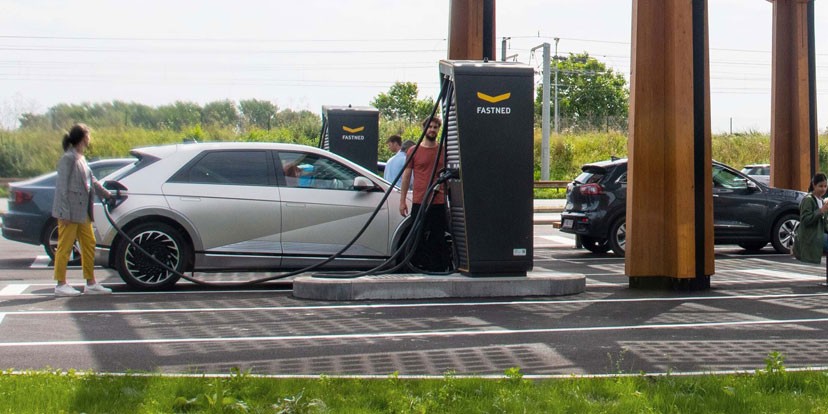
When it comes to EV charging, it’s crucial to understand that no vehicle consistently charges at its maximum advertised speed. Most vehicles will only achieve peak charging rates when the battery is nearly depleted, typically for the first 20% of charging. Additionally, optimal temperature conditions for both the battery and charger are required to reach those high speeds.
For example, if a car supports 200kW DC charging, you shouldn't expect to fully charge a 100kWh battery in 30 minutes. Realistically, the average charging speed often hovers around half of this maximum, leading to full charges taking over an hour.
The Industry Norm: So What's the Concern?
It’s true that many manufacturers highlight maximum charging speeds, but they do so in a transparent manner that reflects the vehicle's actual performance capabilities. Most cars can reach their peak charging speeds when their battery is low, allowing drivers to get a quick boost in charge when needed.
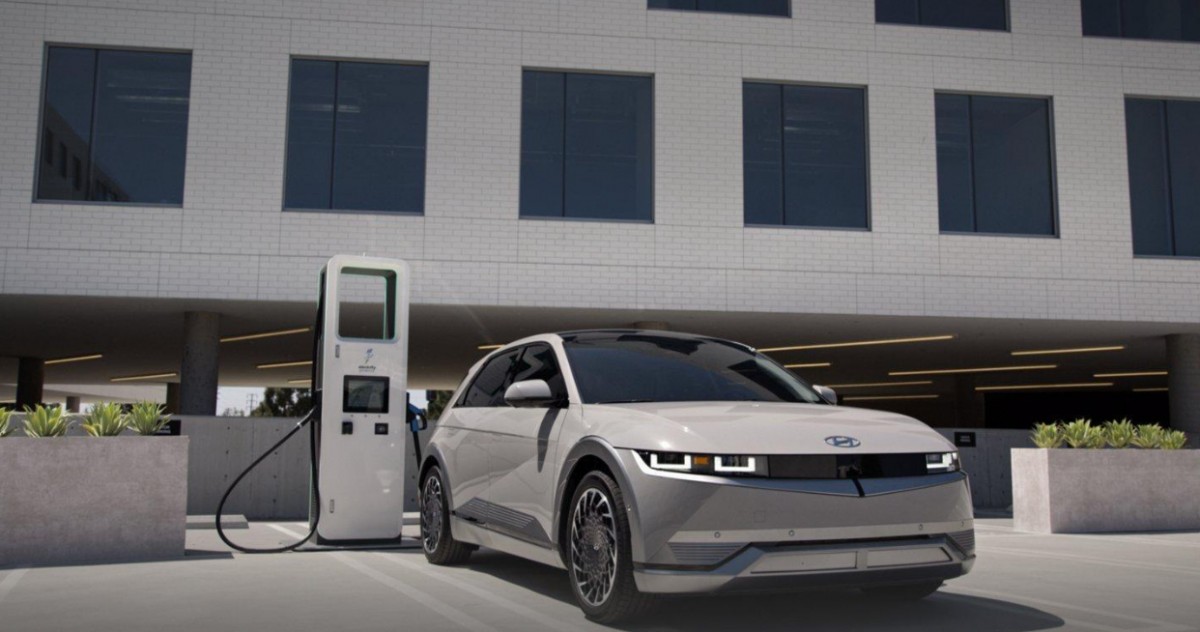
In contrast, Hyundai and Kia EVs will never actually achieve the 350kW charging speed they frequently advertise. Instead, they peak at just below 250kW—a significant gap from the figures implied in their marketing messages.
Are They Misleading Us?
While it's unlikely that a major company like Hyundai would engage in outright false advertising, they have cleverly chosen to present charger specifications rather than car capabilities. When browsing Hyundai or Kia’s websites, you’ll encounter both “DC Fast Charge 50kW” and “DC Fast Charge 350kW” listings.
This approach may not be technically inaccurate, but it strongly suggests that the vehicle can utilize the full capacity of a 350kW charger. However, the reality is that using a 250kW charger would yield the same charging performance, a fact that appears to be conveniently overlooked by the company’s marketing strategy.
Such phrasing deviates from the practices of nearly all other manufacturers and raises eyebrows regarding its intent. While not explicitly lying, Hyundai's figures can mislead potential buyers, allowing the media and consumers to perpetuate exaggerated claims.

Many reviewers have seemingly fallen for these marketing tactics, as verifying peak charging speeds is a challenging endeavor. Owner forums are rife with users convinced that 350kW speeds are attainable, often blaming charging network issues for their inability to reach such rates.
Is 800V Architecture No Better Than 400V?
Contrary to what one might think, the 800V architecture does offer advantages over the 400V systems. Revisiting the earlier discussion of charging speeds, 800V vehicles can sustain near-peak rates for longer durations, sometimes even beyond the critical 50% state of charge (SoC). Consequently, the overall charging time for typical 10-80% charges is considerably shorter, even if peak rates may seem similar to their 400V counterparts.
For a more concrete understanding of charging times, you can use our battery charging tool, which provides detailed charging time estimates for a wide range of vehicles and charging scenarios. This resource can be invaluable in planning your future trips.