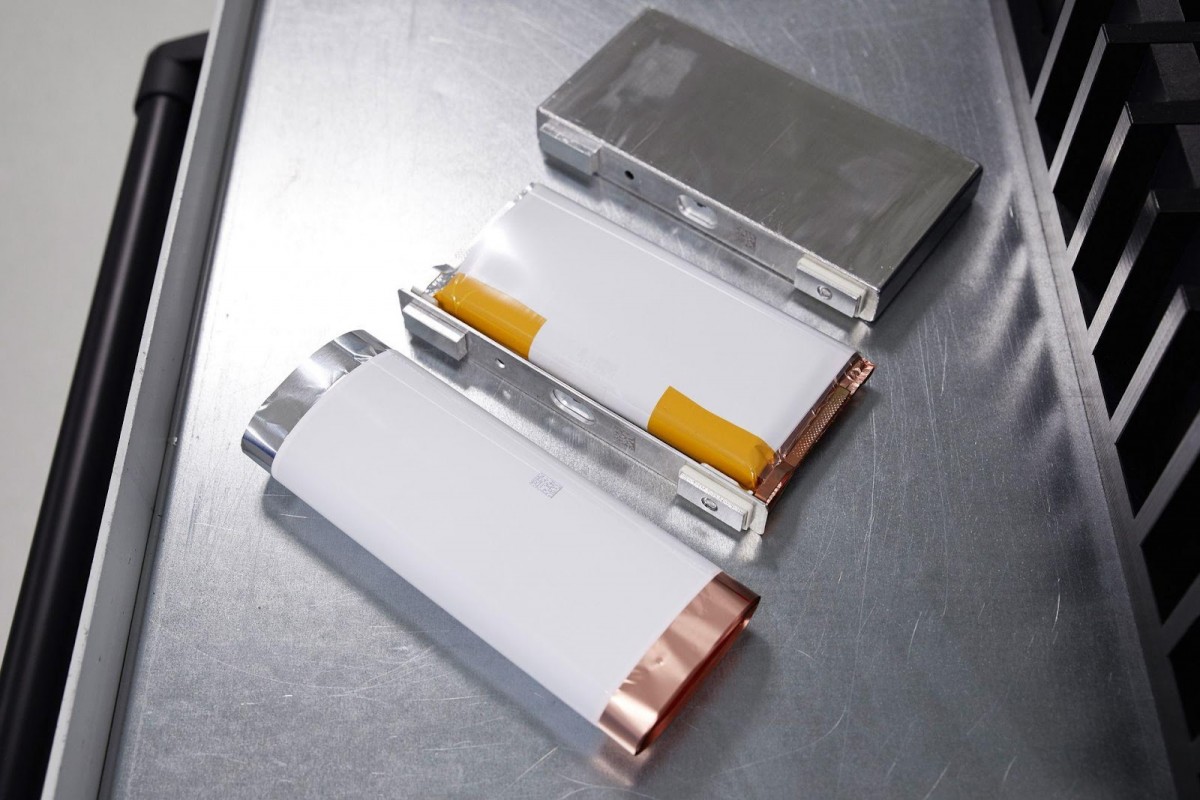
Introduction
As the automotive industry accelerates towards sustainable transportation solutions, a critical question arises: can hydrogen fuel cells replace traditional electric vehicle (EV) batteries? This article explores the fundamentals of fuel cell technology, the hydrogen production process, and the comparative advantages and challenges of both fuel cells and batteries in the context of the evolving landscape of electric mobility.
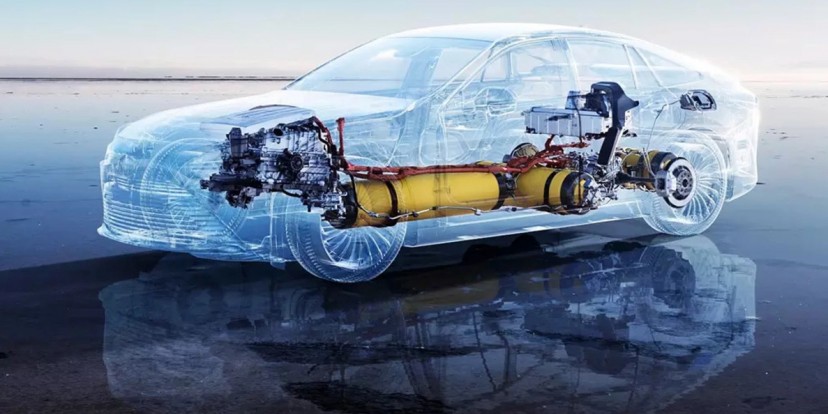
The transportation sector is increasingly leaning towards electric propulsion, marking a pivotal shift. While battery packs are the dominant choice for powering electric motors, hydrogen fuel cells represent a compelling alternative worth examining.
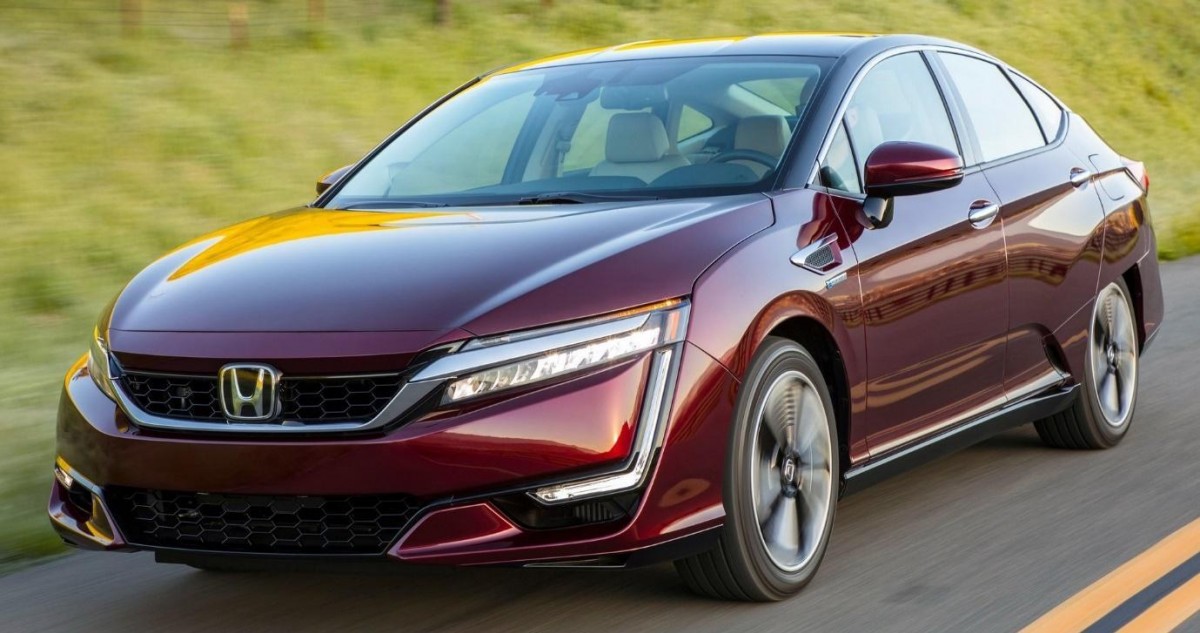 Honda Clarity Fuel Cell Vehicle
Understanding Fuel Cells
Fuel cells generate electricity onboard vehicles without the need for heavy batteries, addressing concerns over the limited energy density of current battery technology. This concept is not new; fuel cells have been utilized since the 1960s by NASA during the Gemini and Apollo missions. The automotive sector primarily employs proton exchange membrane fuel cells (PEMFC) for this purpose.
Fuel cells consist of three key components: the anode, cathode, and separator. Hydrogen (H2) from a tank feeds into the anode, where protons pass through the separator while electrons flow through an external circuit, generating electric current. At the cathode, oxygen from the atmosphere interacts with hydrogen protons and electrons to produce water, which is emitted harmlessly from the vehicle.
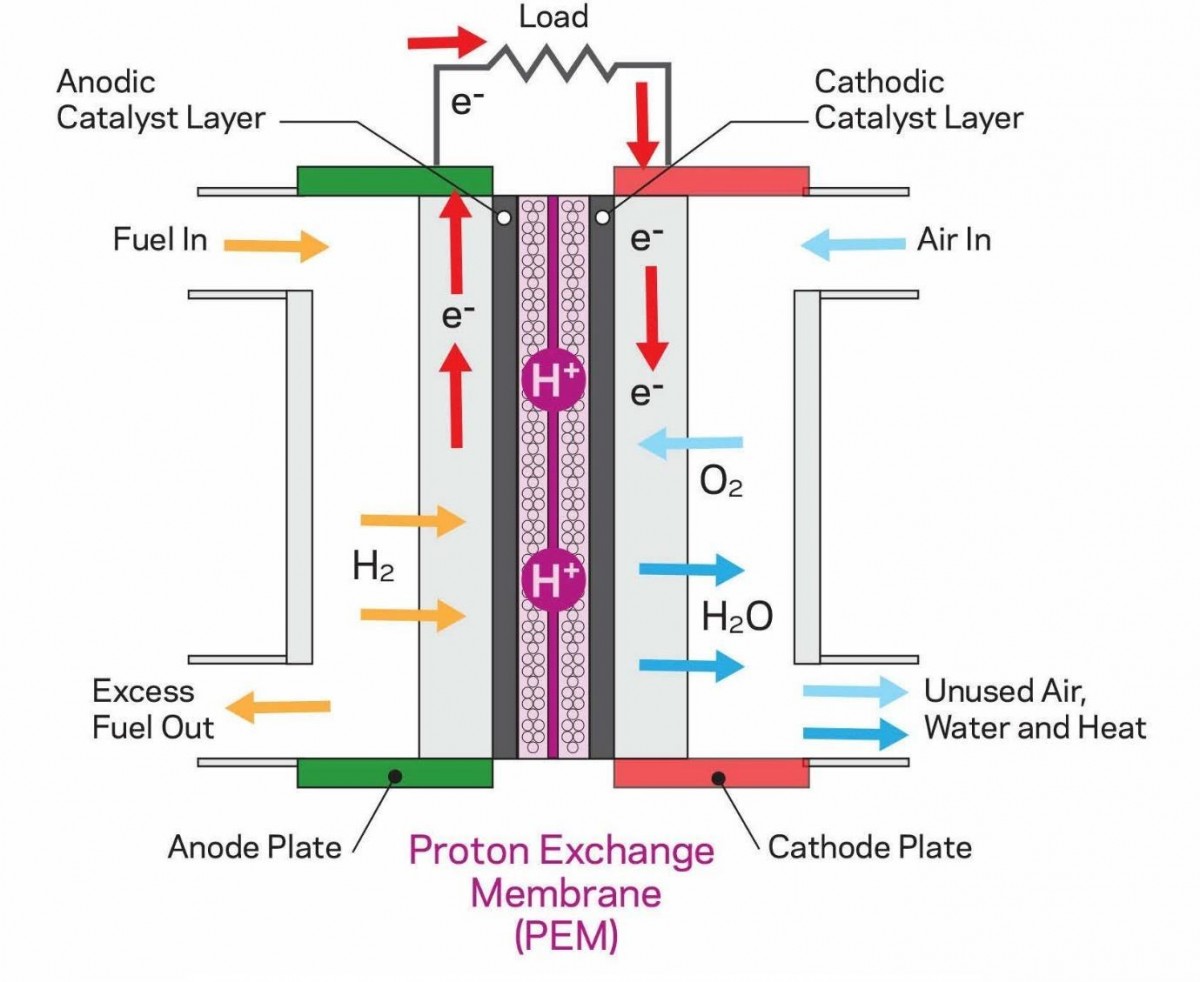 Nafion Proton Exchange Membrane Fuel Cell
Producing Hydrogen
Hydrogen, while abundant in the universe, does not exist freely on Earth. Currently, there are four methods for hydrogen production:
- Gray Hydrogen: Produced via steam reforming natural gas, yielding hydrogen and CO2, but with significant environmental impact.
- Blue Hydrogen: Similar to gray hydrogen but incorporates carbon capture and storage to mitigate CO2 emissions.
- Green Hydrogen: Generated through electrolysis, utilizing renewable electricity to split water into hydrogen and oxygen, making it the most sustainable option.
- Turquoise Hydrogen: An emerging method converting natural gas into hydrogen and solid carbon, still in development for widespread application.
Among these methods, green hydrogen stands out as the most environmentally friendly, provided electricity is sourced from renewables like wind and solar.
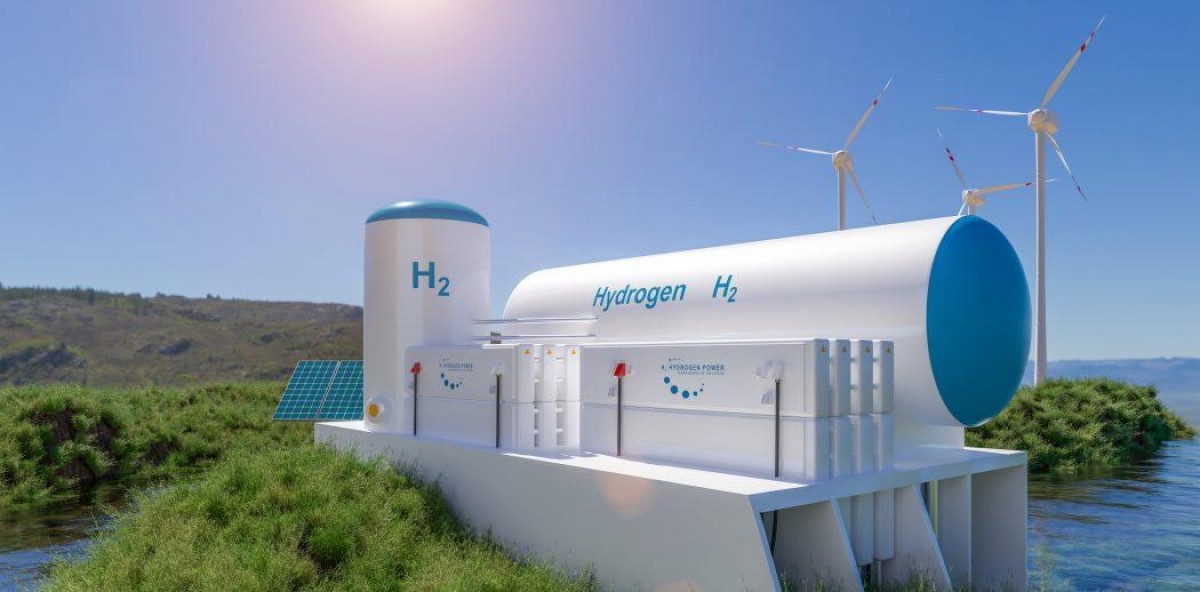 Hydrogen Production through Sustainable Electrolysis
Hydrogen in Different Forms
Hydrogen can be utilized in gas or liquid form, each having its advantages and limitations. To be practical for automotive use, hydrogen must be compressed to 700 bars due to its low density. Alternatively, liquefying hydrogen requires extensive energy, reaching temperatures of -253°C.
The potential of hydrogen as an energy carrier is significant, as 1 kg of hydrogen can store 33.3 kWh of energy—167 times more than the most advanced battery packs available today.
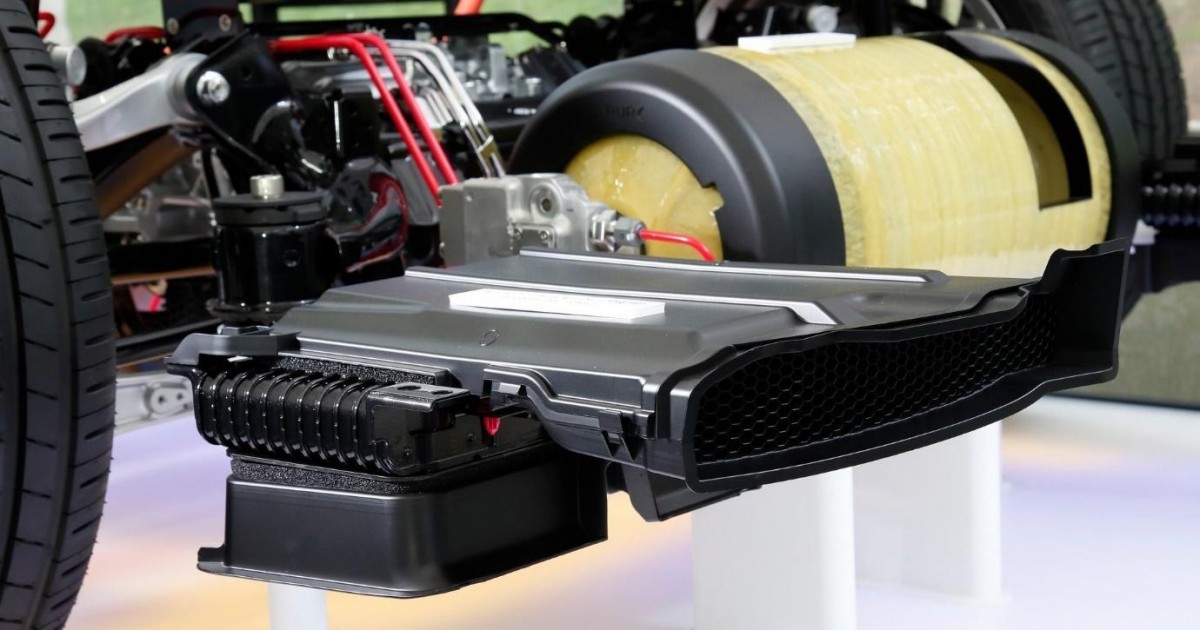 Toyota Mirai’s Gaseous H2 Tanks
Comparing Batteries and Hydrogen Fuel Cells
Which solution is superior: storing electricity in batteries or producing it within the vehicle? Currently, the automotive industry leans towards battery packs due to several factors.
The efficiency of PEMFC stands at approximately 60%, while steam reforming for hydrogen production achieves about 70%. In contrast, a battery system boasts a total efficiency rate of around 73%. The following table summarizes the comparative efficiencies:
| Efficiency Comparison | Hydrogen | Battery Pack |
|---|---|---|
| Electrolysis (%) | 75 | - |
| Hydrogen Compression (%) | 89 | - |
| Fuel/Grid Transport (%) | 80 | 93 |
| Fuel Cell (%) | 60 | 94 |
| Permanent Magnet Motor (%) | 94 | 94 |
| DC/AC Conversion (%) | 93 | 93 |
| Charging (%) | - | 94 |
| Transmission (%) | 95 | 95 |
| Total Efficiency (%) | 27 | 73 |
Given the current efficiencies, fuel cells demonstrate a performance akin to traditional internal combustion engine (ICE) vehicles. Thus, fuel cells are currently less viable for passenger vehicles. The cost of hydrogen refueling is also substantially higher—7 to 8 times more expensive than charging an EV at home. However, hydrogen may find a more suitable role in heavy-duty trucking due to its high energy density, provided sustainable production methods are developed.