In an era where smartphone designs often feel stagnant, Honor has launched a game-changing device that aims to redefine mobile photography and user interaction: the Honor Robot Phone. This innovative smartphone, which is distinct from Honor’s traditional lineup, introduces groundbreaking technologies and boasts over 100 patents. It reimagines how we capture and interact with our world, combining the capabilities of a smartphone with the functionality of a gimbal camera.

The standout feature of the Honor Robot Phone is its remarkable robot arm-like gimbal, which not only stabilizes video but can also perform a variety of functions. Weighing a mere 2.6g and measuring just 6mm in thickness, it is the most compact gimbal currently on the market, making it 65% smaller than the well-known DJI Osmo Pocket series.
Equipped with a whopping 200MP 1/1.28" sensor with an f/1.6 aperture, the gimbal transforms the phone into a standalone camera, delivering the best stabilization experience seen in any smartphone to date. Whether you're walking or running, the gimbal ensures smooth, shake-free videos.

One of the gimbal's impressive features is its ability to swivel and capture creative shots without the need to reposition the phone itself, making tricky selfies or panoramic shots easier than ever. Additionally, it can track and follow users, ensuring they remain centered in the frame, although it has potential difficulties tracking in crowded environments.

In a playful twist, the gimbal features interactive functions where it can 'dance,’ 'speak,’ and exhibit facial expressions through the YoYo AI assistant. This adds a unique touch to user interaction, making it feel more like engaging with a responsive companion rather than a typical smartphone.
Complementing the main gimbal camera are two additional lenses on the device— a 2.7x telephoto camera with a 200MP 1/1.4" sensor and a 50MP ultrawide camera that also supports macro photography.
Moreover, the partnership between Honor and renowned cinema equipment manufacturer ARRI brings professional video capabilities to the Robot Phone. It supports native Log-C3 video encoding and LUT color grading, alongside a dedicated cinema mode that delivers visuals akin to those captured with a high-end ARRI camera. This collaboration primarily serves as a testing ground for ARRI color profiles before their implementation in Honor's future Magic series.
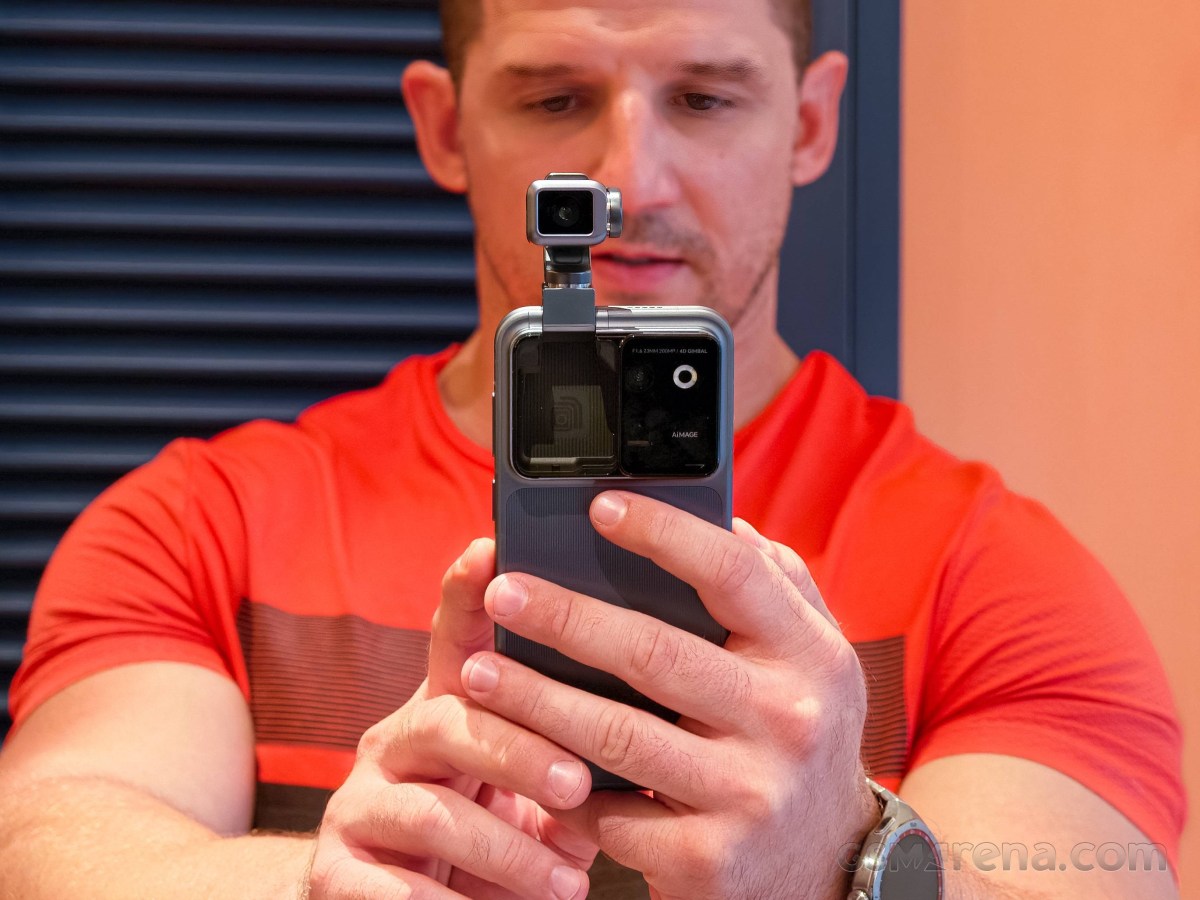
However, users should be aware of some drawbacks. The phone's hefty weight of 248 grams, particularly for a 6.3-inch device, is notable—though this is likely due to the complex array of hardware within. Additionally, the gimbal's glass cover can be somewhat fragile and may become dislodged during usage, rendering the gimbal inoperable until it is properly repositioned. While a warning appears on-screen, it can be a slight inconvenience.
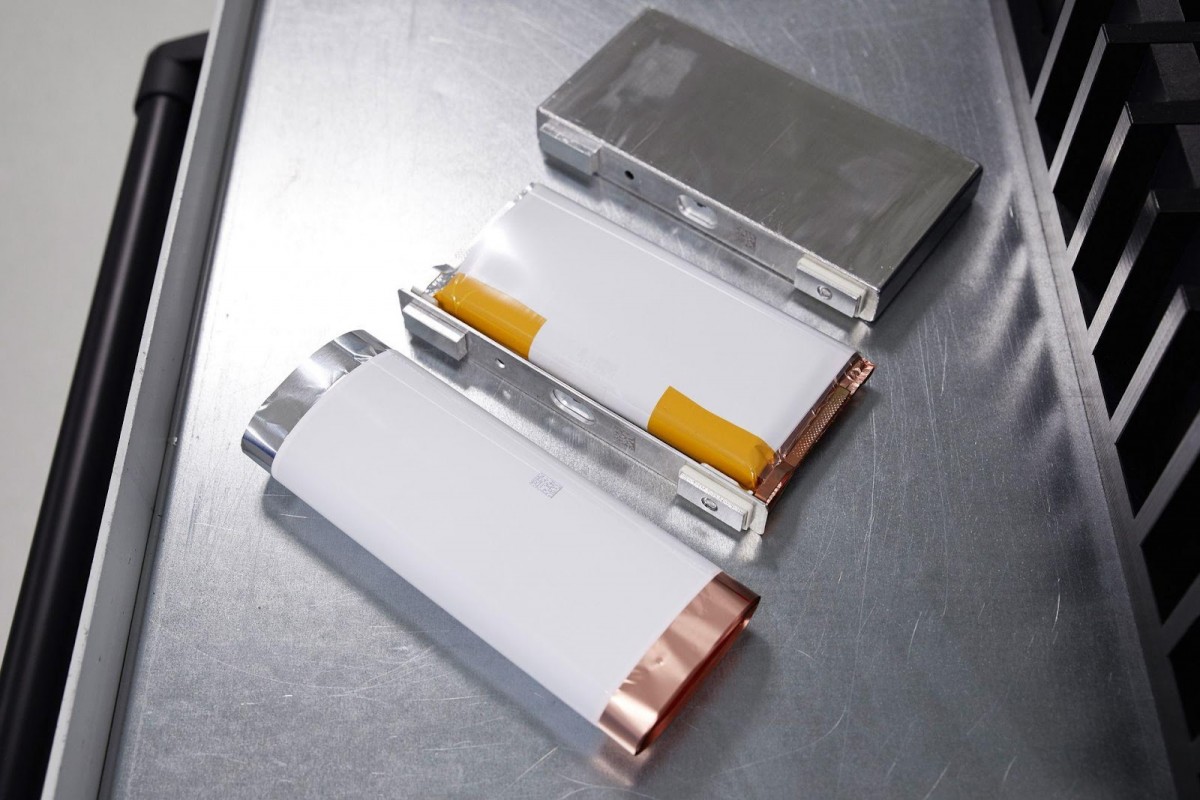
Despite these issues, the Honor Robot Phone stands out as a true flagship device with a brilliant 6.3-inch LTPO OLED display, powered by a Snapdragon 8 Elite Gen 5 chipset, and configuration options up to 16GB RAM and 1TB of storage. The substantial 7,060 mAh battery supports rapid charging at 120W wired and 90W wireless.

However, it's worth noting that the Honor Robot Phone will only see a limited release in China, intended more as a tech showcase for enthusiasts than as a widely commercial product. With a price tag of CNY 9,999 ($1,482) for the base model, it reflects the significant investment in research and development involved in its creation. Therefore, it’s likely regarded more as a marketing piece than a volume seller, and discussions about a second-generation model remain uncertain.
In conclusion, the Honor Robot Phone represents an exciting step forward in smartphone technology, encouraging us to rethink conventional designs. It has been a long time since we’ve seen such innovative advancements in mobile form factors since the advent of foldable devices seven years ago.