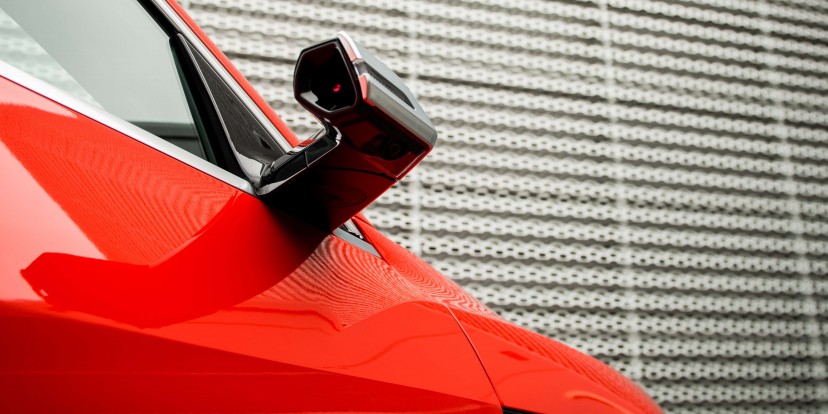
In recent years, automotive innovation has taken center stage, with mirror cameras emerging as a cutting-edge alternative to traditional side mirrors. Major manufacturers like Audi and Honda have pioneered this technology, integrating cameras into their vehicles for enhanced functionality and aesthetics. As mirror cameras gain traction, it's essential to evaluate both their advantages and disadvantages to understand their impact on modern vehicle design.
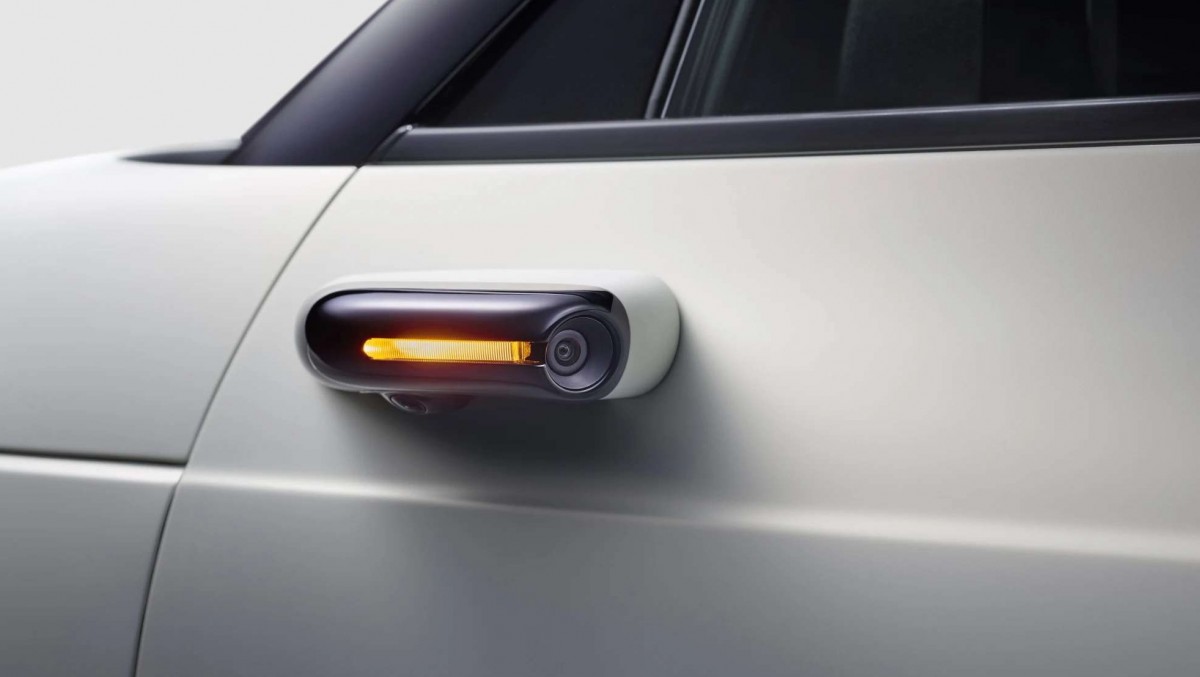
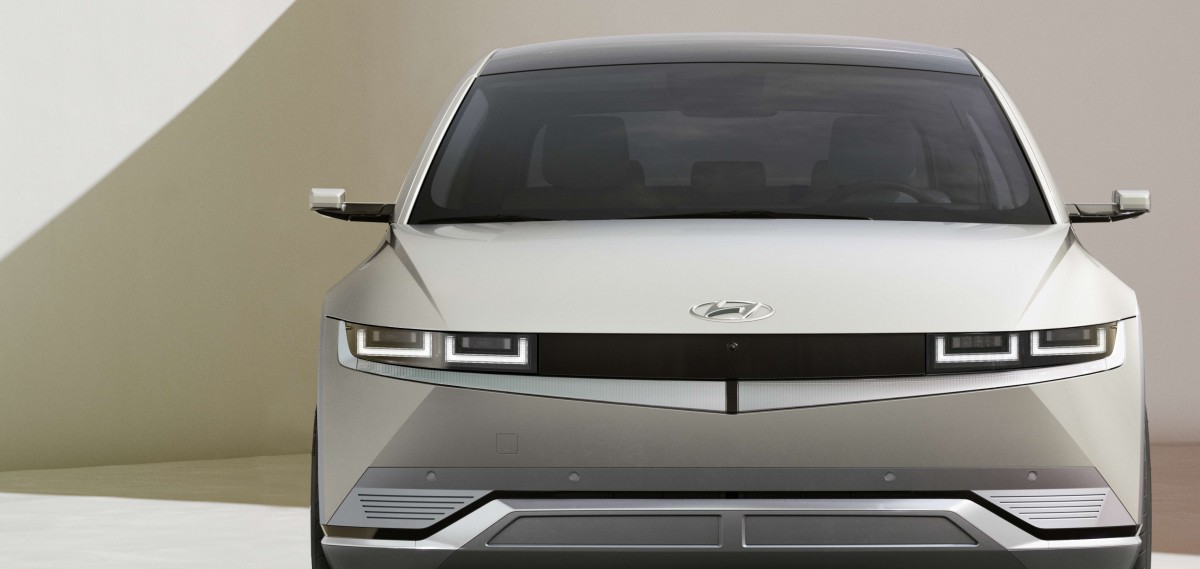
While mirror cameras are slowly becoming standard in models like the Honda E and Hyundai Ioniq 5, regulatory hurdles still exist in markets like the United States, which prevents their widespread adoption. However, with continuous support from manufacturers and a push for more electric vehicles, mirror cameras may soon become a fixture in our automotive landscape.
Advantages of Mirror Cameras
The primary benefit of mirror cameras lies in their aerodynamic design, eliminating bulky side mirrors that create drag. This compactness contributes to improved vehicle efficiency, with manufacturers like Honda claiming a notable 3.8% uptick in range. Moreover, mirror cameras enhance visibility by substantially reducing blind spots, giving drivers a more comprehensive view of surrounding traffic.
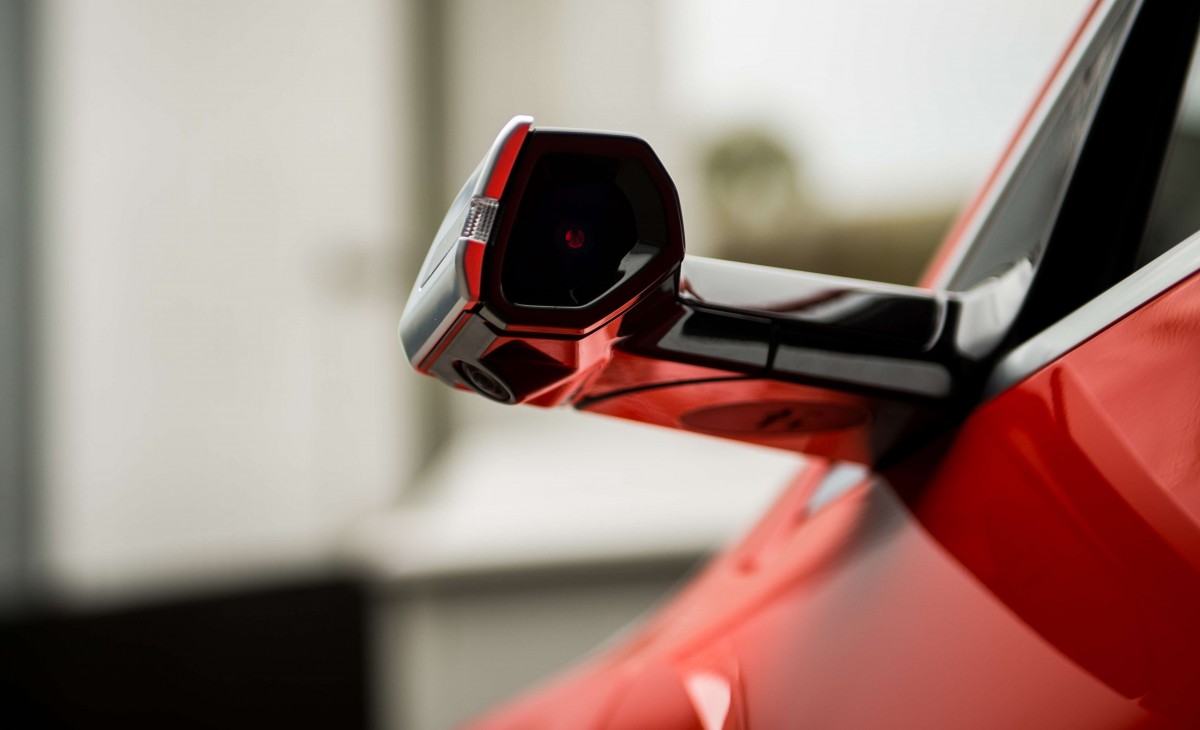
In low-light scenarios, mirror cameras outperform conventional mirrors by optimizing exposure and adjusting ISO levels, leading to clearer images. Their sleek, modern appearance aligns with the futuristic aesthetics of today’s electric vehicles, appealing to designers and consumers alike.
Challenges of Mirror Cameras
However, the shift to mirror cameras is not without challenges. Their complexity renders them more costly to produce and replace compared to traditional mirrors, with a higher likelihood of malfunctions. Additionally, the quality of camera footage can suffer in certain conditions, such as poor lighting or glare from sunlight.
Positioning displays within the vehicle also presents potential distractions, especially if brightness levels are not appropriately regulated for nighttime driving. Furthermore, drivers with visual impairments may find mirror cameras particularly challenging, as the required focus adjustments between the screen and road can burden those with conditions like presbyopia.

The fundamental distinction between mirrors and cameras lies in their functionality. Traditional mirrors reflect light from distant objects, aligning focal distances for optimal viewing. Conversely, cameras display close-up images on screens, complicating focus transitions for individuals wearing bifocal or progressive lenses.
Conclusion: A Choice for Consumers
As the automotive industry continues to evolve, it’s crucial for manufacturers to remember that innovation should cater to diverse user needs. While mirror cameras present various benefits, they may not suit every driver. Therefore, offering consumers the option to choose between traditional mirrors and advanced camera systems is paramount. Maintaining this choice ensures that all drivers can feel comfortable and safe behind the wheel.