As the tech world gears up for IFA next month, Asus and Lenovo are in the spotlight with exciting new laptop models that may redefine the portable computing experience. These devices are part of a fresh lineup of Googlebooks, which Google introduced earlier this year. This article explores the latest renders and features of these intriguing machines, highlighting their design, functionality, and the new operating system they are set to run.
Asus appears to be leading the charge, showcasing several potential Googlebook designs through allegedly upscale AI-generated renders. While the images may have some flaws, they provide a tantalizing glimpse into what could be one of the first Googlebooks. Google revealed its intent to create these devices back in May, but it's still uncertain whether they will replace or complement the popular Chromebook series, especially given their success in educational settings.
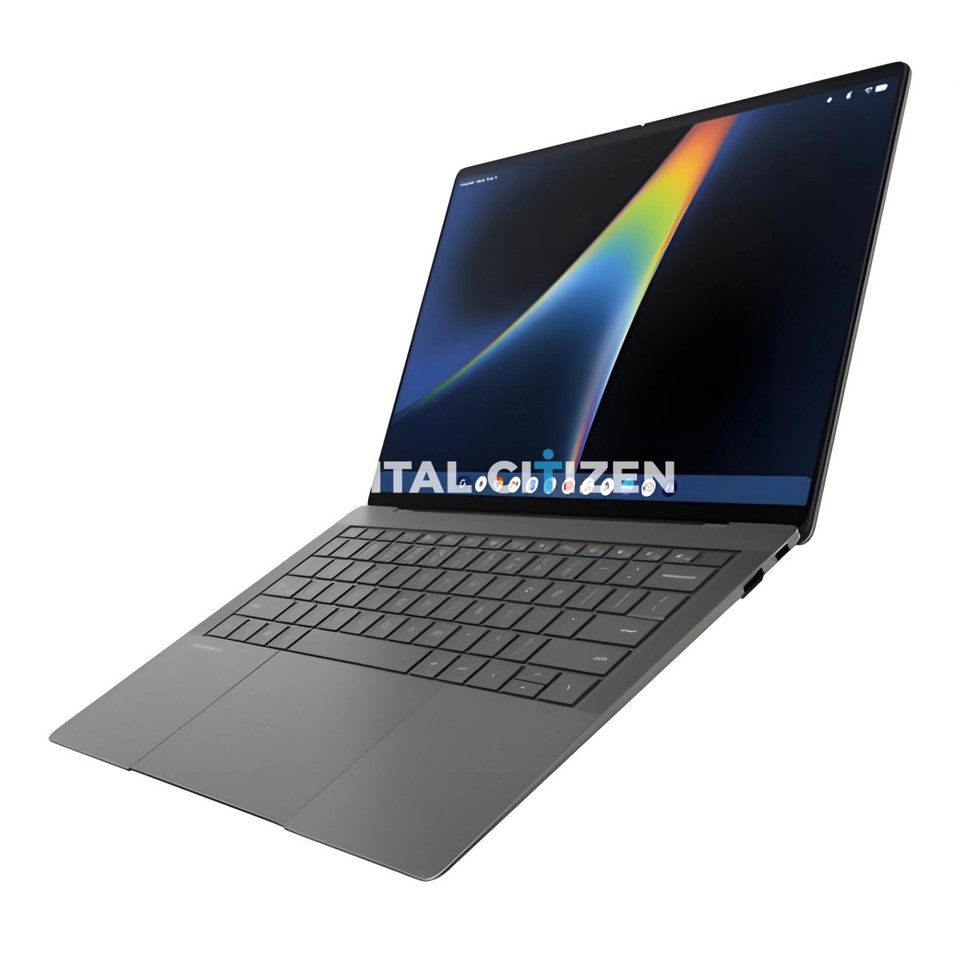
The Googlebooks are expected to run on what Google describes as Aluminum OS—a custom, Android-based operating system aimed specifically at desktop environments. This OS promises to enhance the integration of Android apps with a functional Google Play Store while offering enhanced cross-compatibility with Android smartphones and incorporating features from Chrome OS.


 ASUS Googlebook
The collaboration between Asus and Lenovo is noteworthy, as both brands are among the chosen partners for the launch of Googlebooks. Other manufacturers such as Acer, Dell, and HP are also included in this initiative. As we await the official unveilings at IFA, the early specifications showcase a premium design approach, particularly for Chromebooks. For instance, the Asus model boasts a chassis constructed from Ultra-Ceramic Light Alloy, making it 34% lighter and 13% stronger than previous versions. Additionally, it offers multiple ports, including a 3.5mm audio jack, two USB Type-C and two USB Type-A ports, along with a full-sized HDMI output.
One unique feature highlighted by Google is the "glowbar," which aims to add both functionality and aesthetic appeal to the Googlebooks. This feature is reminiscent of the Pixel Glow LEDs anticipated for the Pixel 11 series, establishing a distinct and recognizable design signature.
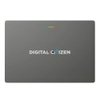
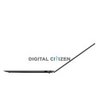 ASUS Googlebook
Although details on the Lenovo model are still sparse, it appears to share a design language with the Asus counterpart, particularly featuring the "HiLight" function. It also offers a similar plethora of ports, hinting at possible standardized guidelines from Google for its hardware partners in terms of connectivity options.
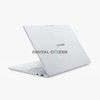
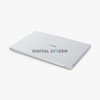

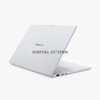
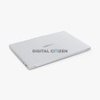 Lenovo Googlebook
As we eagerly await further announcements, it's exciting to envision the variety of Googlebooks set to debut next month. Google has indicated that these devices will come in a range of designs and specifications, setting the stage for a fresh entry into the market.
Source 1 | Source 2