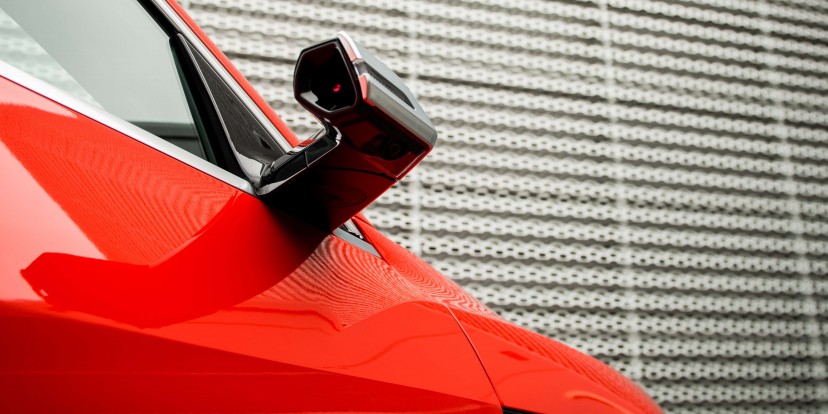
Replacing traditional side mirrors with cameras has become a prominent trend in modern automotive design. Following several notable concepts, such as the Volkswagen XL1, Audi made headlines in 2019 by announcing that the Audi e-tron would offer mirror cameras as an option. That same year, Honda confirmed that all Honda E models would come equipped with a standard side camera mirror system.
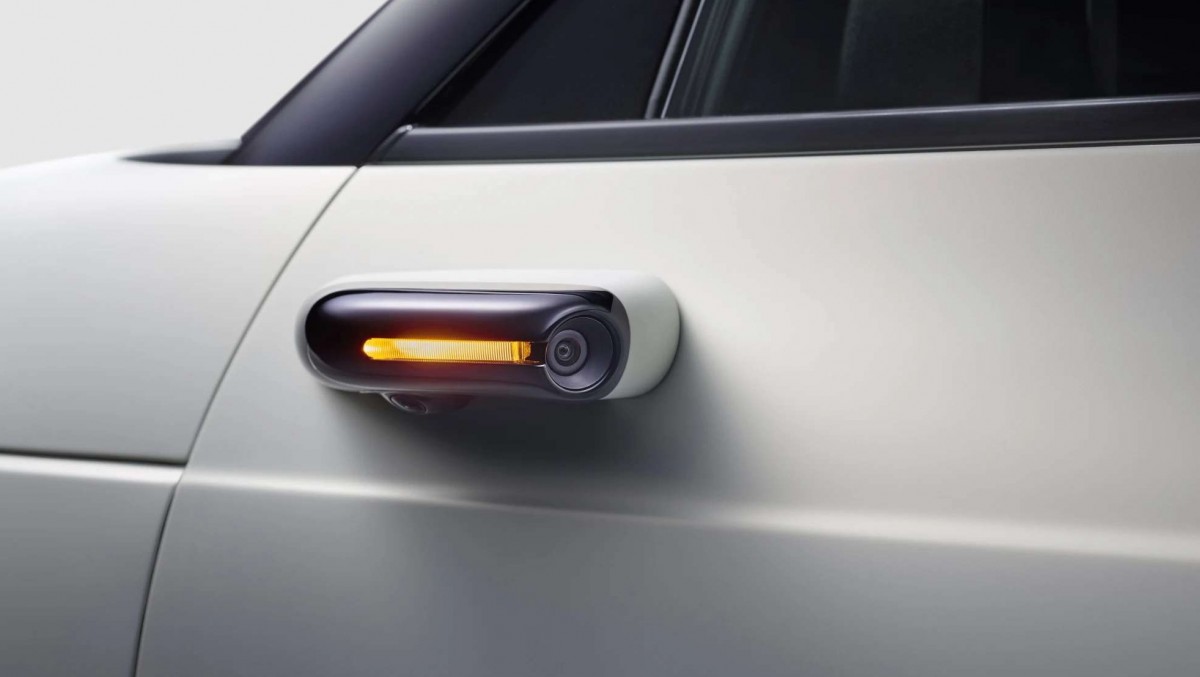
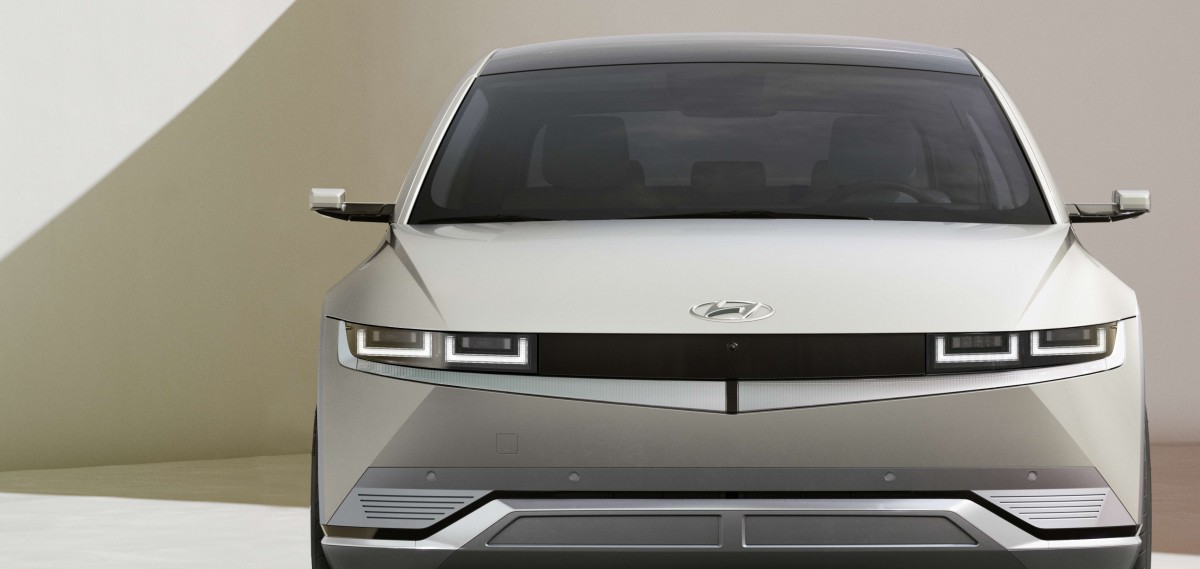
Today, this feature is gaining traction, with models like the Honda E and Hyundai Ioniq 5 leading the way. However, mirror cameras are not yet street legal in the U.S., which limits their wider adoption. Should the U.S. government endorse their use, we can expect to see increased implementation, particularly since manufacturers like Tesla have long championed mirror camera technology.
Benefits of Mirror Cameras
The primary advantage of mirror cameras is their well-publicized benefit of improved aerodynamics and reduced wind noise, as their compact design is more efficient than traditional mirrors. Honda claims a 3.8% increase in overall efficiency and range when using mirror cameras.
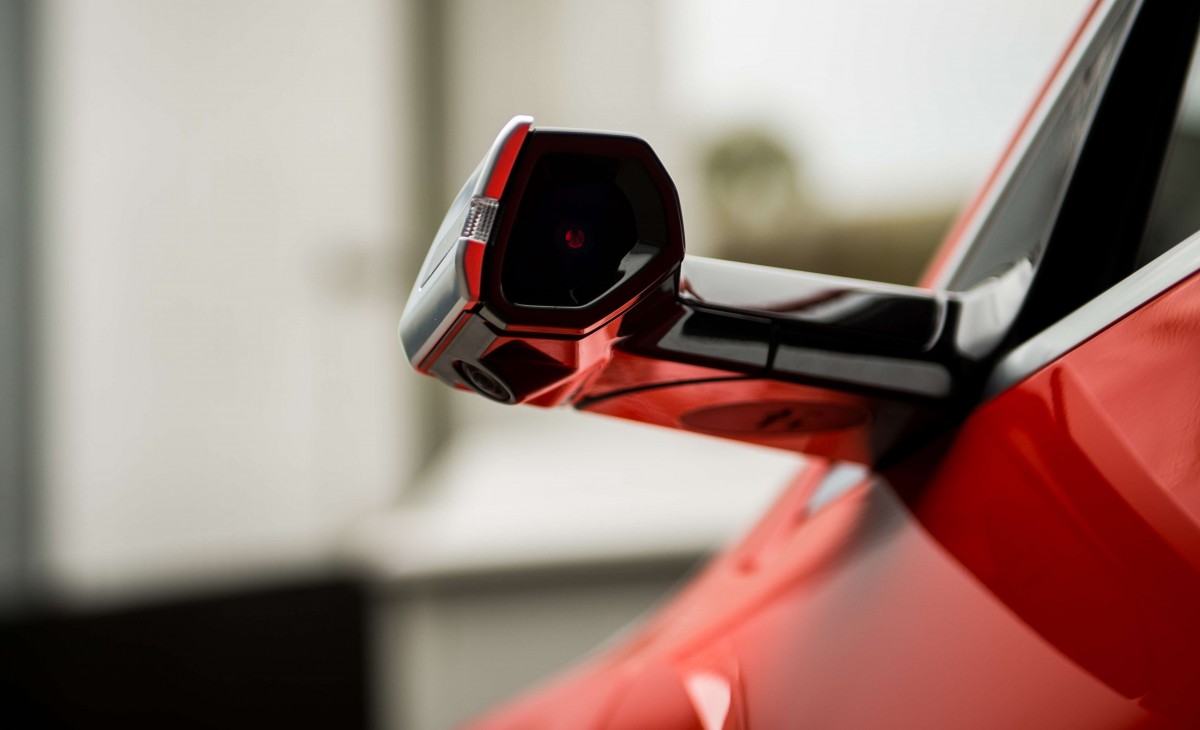
Additionally, mirror cameras significantly reduce blind spots with their wide-angle lenses, providing a clearer view of the road behind. Blind spots pose considerable risks when driving, and any solution that mitigates this danger is advantageous.
Mirror cameras also excel in low-light conditions, such as dark tunnels or poorly lit parking scenarios, by adjusting their exposure, ISO levels, and white balance. Conventional side mirrors, being reliant on natural light and human perception, cannot match this capability.
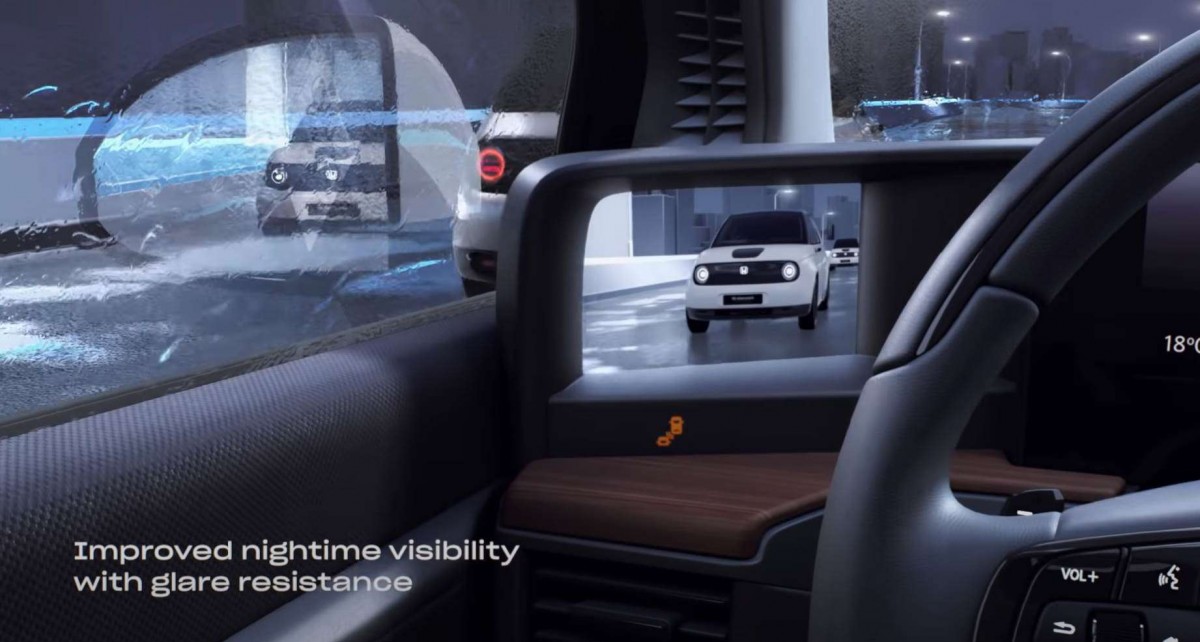
Aesthetically, mirror cameras lend a minimalist and futuristic appearance to vehicles, aligning with contemporary design trends. Automotive designers are eager for traditional mirrors to fade into history, as evidenced by numerous mirrorless car concepts seen over the years.
The Drawbacks
However, mirror cameras are not without their challenges. They are typically more expensive to install and replace compared to standard mirrors, and their complex technology makes them prone to malfunction. In the event of a failure, replacing a camera is often more difficult than simply swapping out a broken mirror.
Cameras may also deliver grainy or blurry images in poor lighting conditions, and issues such as lens flare can obscure visibility on bright, sunny days.
Another concern is the placement of display screens within the vehicle. Many manufacturers opt to install displays on the side doors to facilitate natural viewing habits, but this position can become a potential distraction, especially if the brightness cannot be adjusted for nighttime driving.
A less commonly discussed issue is the convenience of mirror cameras for drivers with vision impairments. Conditions like presbyopia—age-related farsightedness—make focusing on close-up images challenging.

Mirrors reflect light from distant objects, allowing the eyes to maintain focus on a faraway point. In contrast, cameras send images to a display that is closer, requiring users to shift their focus frequently. This issue is exacerbated for drivers using bifocal or progressive lenses, complicating vision adjustments—especially at night.
While traditional rearview mirrors maintain a focal distance suitable for viewing the road, screens disrupt this balance by necessitating a focus shift, which can pose challenges for drivers with bifocal glasses, who find it difficult to accommodate quick focal changes.
The Importance of Choice
Ultimately, it is crucial to recognize that innovative solutions do not suit everyone. While the development of new automotive technologies is essential for enhancing the driving experience, the benefits of mirror cameras currently outweigh their limitations for only a subset of drivers. Ideally, consumers should be afforded the option to choose whether to utilize mirror cameras. Thankfully, most automakers concur with this perspective, though we remain hopeful that they won’t prioritize streamlined manufacturing practices at the expense of consumer choice.


