The Dark Side of iPhone Security: How Thieves Exploit the Black Market
The effectiveness of Apple’s security measures for iPhones has unintentionally given rise to a dangerous underground marketplace. With a focus on exploiting human vulnerabilities rather than the devices themselves, criminal enterprises are aggressively working to gain access to locked iPhones. This article dives into the criminal tactics employed to unlock stolen devices and the implications for consumers and cybersecurity.
From Theft to Profit: The Value of an Unlocked iPhone
A thief's initial reaction upon stealing an iPhone is disappointment—unless it can be unlocked. While a locked iPhone may only yield $50 to $200 in parts, the potential reward skyrockets to between $500 and $1,000 once unlocked. The substantial profit margin incentivizes criminals to develop sophisticated methods to gain access to these devices.
The Rise of Phishing Services
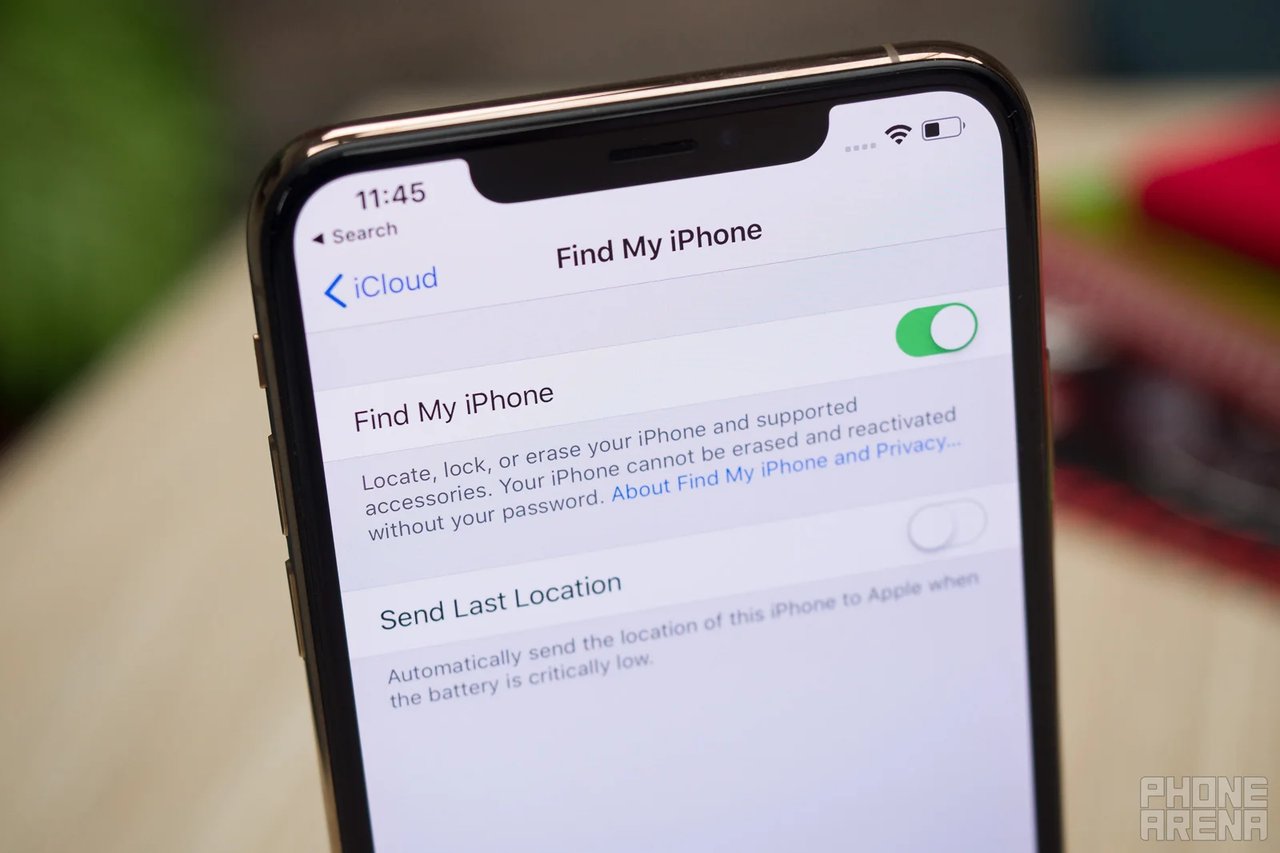
Criminals have adapted their tactics, selling phishing kits branded with names like "Find My iPhone Off," which create fake Apple login pages that are alarmingly convincing. Tools such as iRealm promote scripts associated with Apple Pay and integrate AI-driven calling software, allowing scammers to pose as Apple Support when contacting potential victims.
Understanding Apple's Robust Security Measures
The overarching narrative here is how Apple's stringent security measures have shifted the focus of cybercriminals. With features like Activation Lock and Stolen Device Protection in place, the value of a stolen device is significantly diminished without the owner's cooperation. Consequently, scammers are pivoting towards manipulating their targets instead of hacking the devices themselves.
Protecting Yourself Against Scams
To fortify your security, ensure that Stolen Device Protection is enabled and set to "Always" rather than its default setting. For instance, I have activated this feature on my iPhone Air, allowing an hour's security delay to serve as a practical safety measure against such scams.