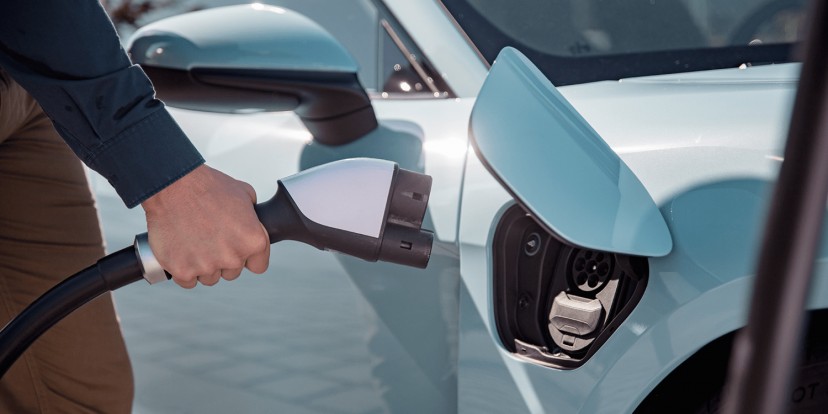
With maximum DC charging powers reaching 150 kW, 200 kW, and even 250 kW, one could wonder whether the significance of these numbers is overstated. In reality, DC charging sessions constitute a minority of all charging occurrences for electric vehicles (EVs). Notably, 95% of European drivers travel up to 50 km daily, raising the question: how crucial is the speed of replenishing minimal charge?
The rising interest in DC charging stems largely from manufacturers who emphasize advancements in their battery technologies. Many consumers inaccurately compare the “charging power” and the time to “refuel” an internal combustion engine (ICE) vehicle with that of an electric vehicle.

While DC charging plays a vital role during long trips for electric cars, do vehicles boasting rapid charging capabilities of 200 kW, 250 kW, or even 300 kW truly deliver on their claims? Let’s explore this further.
Peak Charging Power
Peak charging power is just one part of the puzzle. Recently, 800V architecture vehicles have expanded the possibilities of DC charging, with notable examples including the Lucid Air (300 kW) and the combined Porsche Taycan and Audi E-tron GT (270 kW).
At the 400V level, Tesla leads with 250 kW peak charging power via its V3 superchargers. Comparatively, models with lower charging capacities include those with air-cooled batteries like the Nissan Leaf (50 kW) and the Skoda Citigo and VW e-up! duo (40 kW).
The subsequent table details peak charging rates alongside expected range per minute of charging, calculated based on energy consumption at a speed of 130 km/h during highway driving, where DC charging is most often employed.
| Model | Peak Charging Power (kW) | Estimated Consumption at 130km/h (kWh/100km) | Range/Minute of Charging at Peak Power (km) |
|---|---|---|---|
| Lucid Air | 300 | 21 | 23.8 |
| Porsche Taycan | 270 | 24 | 18.8 |
| Tesla Model S | 250 | 21 | 19.8 |
| 233 | 26 | 14.9 | |
| Mercedes EQS | 200 | 23 | 14.5 |
| Peugeot e-208 | 100 | 26 | 6.4 |
| Nissan Leaf e+ | 50 | 26 | 3.2 |
| VW e-up! | 40 | 23 | 2.9 |
The Charging Curve
While peak DC charging power is essential and reflects the technological prowess of electric vehicles, what truly matters for everyday users is the average charging power from 10% to 80% battery capacity.
In a perfect scenario, peak DC charging power would correspond directly with charging durations, yet this is often not the case. High-voltage batteries can maintain peak charging speeds for only brief periods and at specific charge levels.

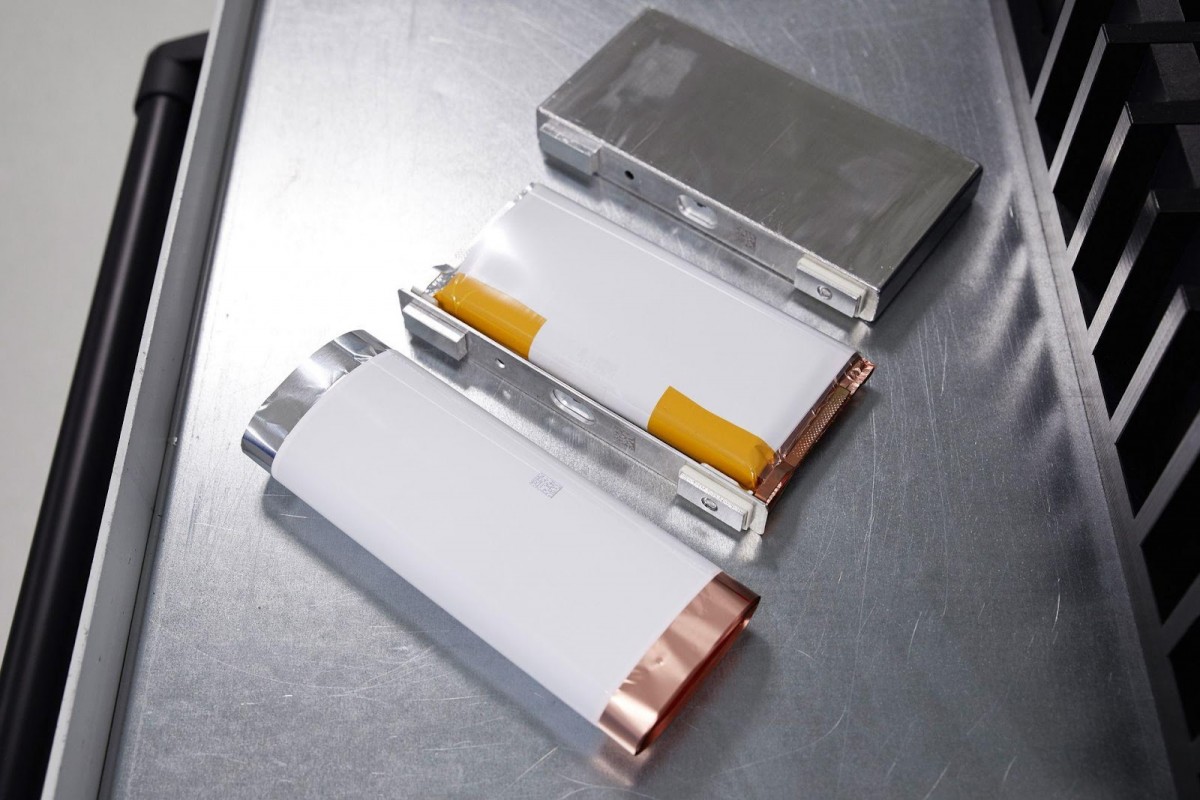
The charging curves vary significantly by vehicle, primarily influenced by battery specifications and the management of charging via the Battery Management System (BMS). A decrease in charging power serves as a safety feature to prevent overheating in the battery; additionally, cell balancing occurs at higher charge levels, which restricts charging rates.
The following table presents real-world data on average range per minute of charging, derived from the mean charging power between 10% and 80%. The leading performers exhibit average DC charging powers in the range of 175-180 kW even though their peak DC charging powers are significantly higher. This mean charging value is based on data from charging curves provided by Fastned.
| Model | Mean Charging Power 0-80% (kW) | Estimated Consumption at 130 km/h (kWh / 100km) | Range/Minute of Charging with Mean Power (km) |
|---|---|---|---|
| Lucid Air | 175 | 21 | 13.89 |
| Porsche Taycan | 147 | 24 | 10.21 |
| Tesla Model S | 180 | 21 | 14.29 |
| 175 | 26 | 11.22 | |
| Mercedes EQS | 180 | 23 | 13.04 |
| Peugeot e-208 | 65 | 26 | 4.17 |
| Nissan Leaf e+ | 43 | 26 | 2.76 |
| VW e-up! | 27 | 23 | 1.96 |
Conclusions
The findings indicate that regardless of a vehicle's maximum charging capacity, most seem to plateau around an average of 180 kW during typical DC charging sessions reaching 80% charge. From a technological perspective, this finding is logical.
The majority of current electric vehicles utilize lithium-ion NMC (nickel manganese cobalt) chemistry batteries, with minimal distinction among them. Given that the average charging power of 180 kW is not dependent on voltage (whether 400V or 800V), it suggests that this is the technological ceiling of existing chemistries. Breakthroughs in battery technology, such as lithium-air or solid-state solutions, may eventually transcend this limitation. Only time will reveal the future.
 DC charging stations are the harbingers of the future.